

HiDive shows its value fastest when a viewer is already tired of treating anime like a tiny side shelf on a massive mainstream platform. It is designed from the ground up for fans who open an app with one clear, unapologetic goal: find premium Japanese animation, track upcoming seasonal simulcasts, and watch anime online without wading through unrelated reality television or live sports.
That specific positioning prevents the most common streaming disappointments. While a giant general platform can feel like an overwhelming supermarket, this service functions closer to a dedicated specialty shop. The selection is hyper-focused, the interface is built for fans chasing the best anime series of all time, and the overall flow is optimized around late-night marathons and the inevitable “just one more episode” spiral.
In a modern household setup, it is rarely used as a standalone subscription. Instead, it serves as the ultimate dedicated companion that sits right alongside your core entertainment platforms. When it clicks, it quickly becomes the absolute default choice for serious fans trying to figure out what to watch next.
HiDive Snapshot
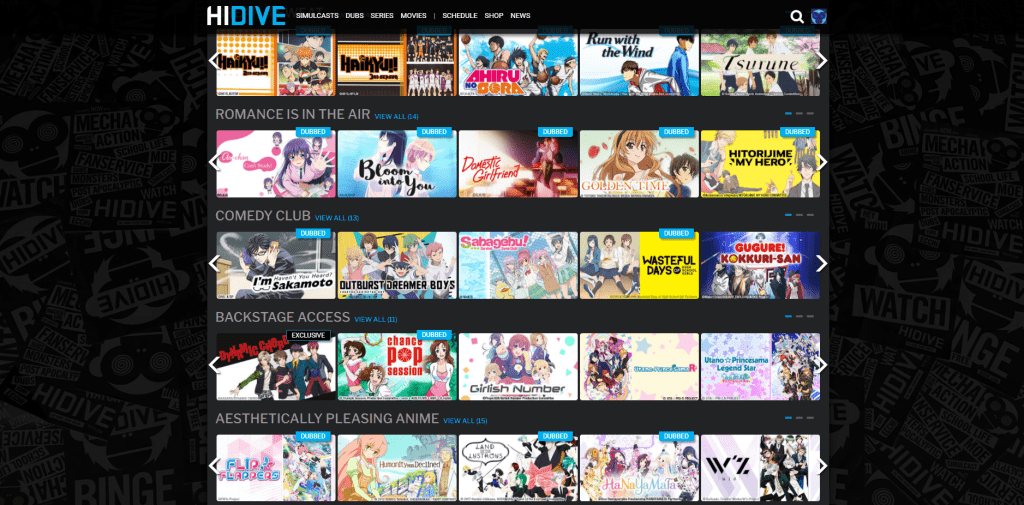
HiDive is easiest to judge when your household’s expectations are properly aligned. It is a pure destination for serialized animation rather than random living-room channel surfing, offering a streamlined home screen for viewers who want a dedicated routine.
Here is a quick way to decide if the service matches your viewing habits:
- If you watch serialized animation weekly, the catalog structure fits perfectly.
- If you follow multiple concurrent storylines, the schedule dashboard keeps things organized.
- If you want to dive deep into a specific genre, it stands out among modern anime streaming platforms.
- If you need a single app to entertain a large family with mixed tastes, it will feel far too focused.
- If you prefer rotating your subscriptions, this is a highly efficient option to cycle throughout the year.
The platform is delightfully satisfying when treated as a specialized niche library. It only feels underwhelming if you expect it to behave like a massive, multi-genre utility app.
What It Is (And What It Isn’t)
This platform is not a “replace-everything” subscription. It is not trying to win awards across every conceivable Hollywood genre. It is built strictly around discovery and follow-through, aiming to take viewers from wondering what to watch to pressing play with as little interface friction as possible.
To make the most of it, the platform excels across three distinct phases:
1. Uncovering Hidden Gems
The library shines when you want to look past the mainstream buzz. Because Sentai Filmworks owns the licensing pipeline, the service is packed with exclusive, highly specific subgenres. If you want to bypass standard mainstream titles and dig into a curated list of localized romantic anime, cozy slice of life anime, or intense fantasy anime, the storefront makes those categories incredibly easy to search.
2. Streamlined Tracking
Hardcore fans often track several ongoing storylines simultaneously. The service helps you stay organized while juggling massive seasonal schedules, ensuring you never miss a beat when hunting for a compelling new anime to watch.
3. Maintaining Your Momentum
There is nothing worse than an app forgetting where you left off. The modern interface is built to ensure you return directly to the correct timestamp of your next episode without losing a second of progress.
Features That Matter in Real Life
Platform marketing pages love to list technical specs that sound completely identical on paper. For everyday viewers settling onto the couch, these are the real quality-of-life features that actually impact your night:
Focused Home Screens
An anime-first interface means you spend less time scrolling past hundreds of irrelevant recommendations. Your short viewing windows stay satisfying because the home screen directly highlights active simulcasts, newly added dubs, and categorized genres.
Watchlist Discipline
Because fans track so many parallel series, the interface works best when you treat your personal queue like a strict, active timeline. Experienced users find the platform much easier to navigate when they add shows they genuinely plan to watch this month, remove titles the moment they finish them, and avoid cluttering the row with endless backlogs.
Uncensored and Alternate Cuts
One of the most unique aspects of the service is its commitment to home-video versions. Unlike general platforms that only stream edited television broadcasts, this catalog is a major destination for fans searching for home-release cuts and late-night broadcast versions that retain their original, unedited edge.
Subbed vs. Dubbed Flexibility
Different households have different non-negotiables. Some viewers strictly want original Japanese audio with subtitles, while others prefer English voice casts. Following recent platform updates, switching your audio preferences or selecting fully voiced localizations has become seamless, requiring no deep menu diving.
App Optimization and Playback
Following major structural overhauls to the application, the service rolled out a massive redesign. The updated platform introduced crucial upgrades like universal cross-device progress syncing and highly requested auto-play toggles for consecutive episodes. These stability improvements mean fewer random buffers on your smart TV and a much smoother handoff if you move from the living room to a mobile screen.
How to Optimize Your First Week
Most viewer frustration comes from treating a specialist platform like a chaotic browsing app. It becomes an exceptional resource when you approach your subscription with a clear plan:
- Define the App’s Purpose: Decide exactly what role this subscription plays in your home. Are you using it to stay current on exclusive weekly simulcasts, catch up on completed classics, or serve as a vital backup library?
- Build a Tight Starter Queue: A massive watchlist is a recipe for decision fatigue. For your first week, pick exactly three titles: one main episodic show to commit to, one light comedy for quick viewing windows, and one completely experimental wild card from a subgenre you rarely touch.
- Reset the Recommendation Engine: If the default home screen ever feels repetitive, don’t just scroll. Use the search bar with absolute intent. Searching specifically for categories like best horror anime or high-energy action anime will instantly force the platform to surface its deeper vault of hidden exclusives.
HiDive vs. Other Ways to Stream
A viewer never chooses a platform in a vacuum; you choose it because it solves a specific problem that other services cannot.
- HiDive vs. Giant Anime Services: When a massive, dominant platform wins, it is usually because of raw catalog volume and mainstream pop-culture blockbusters. HiDive competes by securing completely exclusive Sentai licenses, meaning it functions as an essential secondary app to catch the specific premium series that the industry giants do not own.
- HiDive vs. Mainstream Streamers: Mainstream platforms are fantastic for a general movie night, but their animation selections are often treated like a minor subcategory. You might find a few global hits, but if you want to dig into deep-cut series or specialized genres, a general app will always feel incredibly diluted.
- HiDive vs. Ad-Supported Free Streaming: Free video platforms can be useful for casual sampling, but they constantly plague viewers with repetitive ad breaks, low resolution, and unstable licensing windows. Moving to a paid specialist ensures a clean, uninterrupted viewing routine.
Alternatives That Make Sense
If you find that the service is a bit too narrow for your household, or if you want to compare it against other options in your rotation, look to these alternatives:
- The Massive Industry Leader: If your goal is sheer quantity, massive community hubs, and immediate access to the biggest global mainstream hits, switching over to Crunchyroll is your logical next step, as it remains the largest single collection of animation in the world.
- General Ecosystems with Anime Sections: Platforms like Hulu or Netflix are solid alternatives if you only want occasional animation mixed into your daily television routines. You can easily find popular standalone hits or discover the best anime on Netflix without needing a separate subscription.
- Ad-Supported Free Services: If you want to watch entirely for free and don’t mind trading your time for commercial breaks, free digital hubs can provide casual entertainment, though they will lack the premium simulcasts of a dedicated service.
Contextualizing the Classics
While specialized platforms are great for keeping up with seasonal streaming, many viewers use them as a springboard to explore the historical heavyweights of the medium. For instance, if you want to see how modern animation evolved, tracking down where to watch Dragon Ball Z or finding the right platform where to watch Naruto allows you to witness the foundation of modern shonen tropes.
Furthermore, studying the design of iconic ensembles like the One Piece Characters or analyzing the traits of the Naruto Characters reveals exactly why these long-running epics maintain such absolute dominance over global pop culture. A dedicated platform helps train your eye to appreciate that storytelling depth.
Common Troubleshooting and Practical Fixes
Even the best specialized applications can run into small performance hurdles. If your viewing momentum stalls, use these quick fixes to clean up the experience:
Watchlist Overload: If your menu becomes completely unmanageable, strip the list down to zero. Keep a mental separation between shows you are actively watching right now and titles you want to remember later. Only the absolute “right now” episodes should live inside your app’s active queue.oom Devices: If playback stutters during peak evening hours, test the exact same episode on your phone or laptop. If it plays perfectly there, your television’s wireless connection is likely the culprit. Restart your router, adjust your TV’s network settings, or switch to a hardwired Ethernet connection.
The Home Screen Feels Repetitive: If the algorithm keeps pushing the same style of shows, clear your history and spend a few days intentionally watching completely different content. Diving straight into a dedicated search for an anime with the best story or classic sci-fi will quickly force the interface to recalibrate your discovery feed.
Buffering on Living Room Devices: If playback stutters during peak evening hours, test the exact same episode on your phone or laptop. If it plays perfectly there, your television’s wireless connection is likely the culprit. Restart your router, adjust your TV’s network settings, or switch to a hardwired Ethernet connection.
FAQs on HiDive
- What is HiDive, in one sentence?
HiDive is an anime-focused streaming service designed for viewers who want a dedicated place to watch and track anime. - Is HiDive a good first subscription for new anime fans?
HiDive can be, but beginners often pair a specialist service with a mainstream platform at first. It feels best once the viewer knows what genres they like. - Does HiDive work better for bingeing or weekly watching?
Both. HiDive suits binge sessions because episodes flow smoothly, and HiDive suits weekly watching because a watchlist keeps series organized. - Can HiDive replace Netflix or Prime Video?
No. It’s built for anime-first viewing, while those platforms are built for general entertainment. - How does HiDive reduce decision fatigue?
Because HiDive is focused, the library is focused, browsing usually leads to a decision faster than a general streaming app. - What’s the fastest way to get value from HiDive?
Pick three shows, add them to the watchlist, and watch consistently for a week on HiDive. HiDive becomes more satisfying when it’s part of a rhythm. - Is HiDive good for viewers following multiple series at once?
Yes. Watchlists and “continue watching” flow suit multi-series habits. - Is HiDive safe to use on a shared TV?
Yes, but it’s smart to log out after use and avoid saving payment details on shared devices. - Can kids or teens use HiDive?
They can, but families should supervise content choices and keep profiles organized. Household rules matter. - Does HiDive make sense for occasional anime watchers?
Sometimes, but rotating HiDive often makes more sense than paying year-round. - What kind of viewer gets the most out of HiDive?
A consistent anime watcher who likes discovery, follows multiple series, and wants a dedicated anime platform. - How does HiDive fit into a “Where to Watch” workflow?
HiDive is the anime specialist to check when a title isn’t available on mainstream services. - What should a viewer do if HiDive recommendations feel off?
Use search and categories for a week, finish one series, and keep the HiDive watchlist tight. The algorithm improves with consistent habits. - Is HiDive worth keeping year-round?
It depends on usage. If it’s used weekly, it can be stable. If not, rotating it is often the smarter move. - Who should skip HiDive?
Anyone who wants one app for every genre, or who rarely watches anime, may not feel enough value.
Final Verdict: HiDive
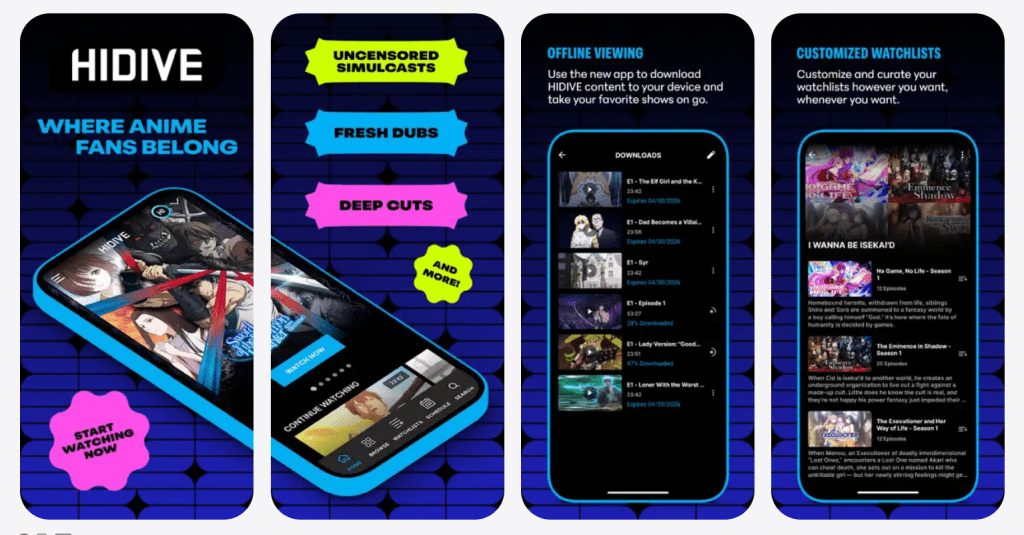
HiDive is a strong fit for anime-first viewers who want a focused, low-friction way to discover series and stay consistent with episodes. It isn’t trying to be the household’s only entertainment hub, and it shouldn’t be judged like one. HiDive works best as a specialist subscription that supports real anime habits: short browsing, clear watchlists, and smooth episode continuation.
For viewers who watch anime regularly, HiDive can feel like a practical upgrade to the streaming routine. For casual viewers, it may still work—especially as a binge-and-pause service—but it will feel most rewarding when it’s used with intention and a simple weekly rhythm.