BritBox is a focused streaming platform built around British TV—think crime, mystery, drama, comedies, period pieces, and a deep bench of familiar UK favourites. The big idea is simple: instead of hunting across general streaming services for one British series at a time, it gathers a curated UK-style library in one place.
That focus is the reason people love it… and also why some viewers bounce off it. If someone expects the “everything bagel” experience—Hollywood blockbusters, nonstop trending reality, global sports, and every big franchise—this won’t feel like a one-app solution. But for households that consistently watch British series (or want a break from the same US-heavy home screens everywhere), it can be the most efficient subscription in the stack.
One important point: availability and catalog vary by region, and the global footprint has shifted recently. For instance, BBC Studios took full international control of the brand, leading to the closure of some smaller regional markets (like South Africa in 2024) to double down on core areas like the US, Canada, and Australia. The smartest way to treat it is as a “British-library subscription” that may be delivered through different storefronts depending on where a viewer lives—whether that is a standalone app, device app store, or an add-on channel inside another service.
What BritBox Is Best For
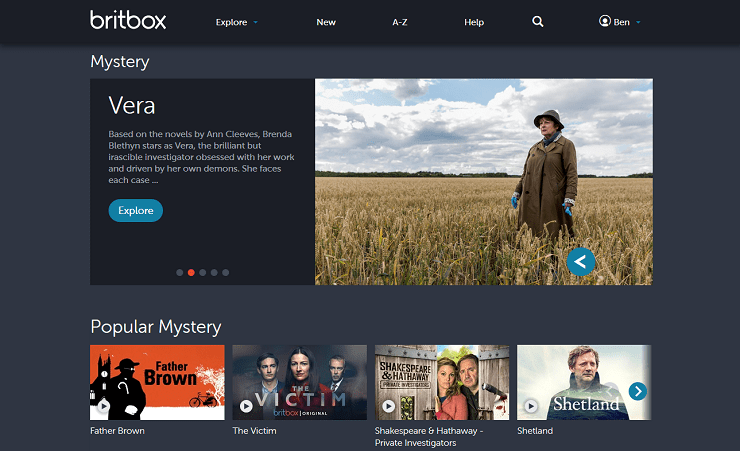
BritBox works best for viewers who:
- Prefer British storytelling pace, tone, and humour.
- Rotate between modern detective thrillers and period drama TV shows.
- Enjoy revisiting classics instead of only chasing new releases.
- Want a trusted library that is easy to browse without chaos.
- Like the idea of one UK-focused subscription rather than buying multiple add-ons.
It tends to feel less essential for people who only watch one or two UK shows per year, or who mainly stream sports, anime, or big US studio franchises.
Content Library: What Viewers Are Really Paying For
The content mix is usually the selling point. Most households do not subscribe because they want a random bundle. They subscribe because they want a reliable supply of a very specific style of television.
Here is what typically stands out:
Crime and mystery as the backbone
If a viewer’s default nightly viewing is a detective series, this type of library feels like a cheat code. It is the category that makes browsing fast because the service is clearly built to showcase the best crime TV shows available from the UK.
Drama and prestige TV without the noise
A lot of mainstream streamers push what is loud and trending. A UK-centric catalog often feels calmer, more story-first, and less stuffed with filler, making it an excellent home for some of the best drama TV shows.
Classics and comfort viewing
People underestimate how valuable comfort TV is. A library that supports rewatching—without the panic of “Where did my show go?”—can be worth more than yet another platform chasing the same new releases. This is especially true for fans of the longest running TV shows from Britain, who want uninterrupted access to older seasons.
New-to-you discovery
Even if someone knows the big titles, there is usually a long tail of series they have heard of but never committed to. The browsing experience is often where a specialised service wins: fewer irrelevant recommendations, less decision fatigue, and a direct path to the best mystery series they haven’t seen yet.
Keep expectations realistic: licensing changes happen, and no platform can guarantee permanent access to specific titles forever. The practical advantage is the density of British content and the way it is organised—not a promise that every UK show ever made will always be available.
Features That Matter (And the Ones That Don’t)
Streaming features only matter if they change real behaviour in a household. This is the short list that tends to make a difference:
- Profiles and watchlists: If multiple people share one TV, profiles and watchlists save time and stop the algorithm from getting confused. In a British-library context, it is common for one person to be on cosy mysteries while another is watching heavier drama—separation helps.
- Continue Watching done properly: This sounds basic, but it is the difference between easy nightly streaming and struggling to find an episode.
- Search that respects the catalog: Specialised services often feel better in search because they are not trying to route a viewer into five different brands and upsells. You search a title; you either have it or you don’t.
- App stability and device support: For a comfort-viewing subscription, stability matters more than gimmicks. If the app crashes or buffers often on a living-room device, the service stops being relaxing.
- Download/offline viewing: If someone travels often or watches on commutes, offline viewing is a genuine quality-of-life win. It turns a subscription from “only at home” into “always available.”
Features that usually do not matter much include flashy UI animations, endless social features, or overly complex recommendations. Most BritBox-style viewers just want quick browsing, reliable playback, and a catalog that matches their taste.
Pricing and Plans (Explained in a Way That Stays Useful)
Because streaming markets constantly evolve, the best way to think about pricing is not what it costs today, but how the cost typically behaves and what to check before subscribing.
Most streaming services in this category usually offer:
- A monthly plan (flexible, easy to pause/rotate)
- A yearly plan (lower effective monthly cost for committed viewers)
- In some regions, a premium tier or add-on option
Before paying, users should:
- Check whether the subscription is standalone or offered as a channel inside another platform.
- Confirm whether streaming is ad-free in their region and plan.
- Confirm how many simultaneous streams are allowed.
- If offline viewing matters, confirm downloads are included on the devices they use.
- Confirm the service is active in their country, as BBC Studios frequently adjusts regional availability to prioritize its biggest markets.
A good rule: if a household watches British TV weekly, the annual plan often makes sense. If they binge British shows in short bursts, monthly rotation is usually smarter.
Who Uses BritBox (And Why That Matters)
Understanding the audience explains why the service feels perfect to some people and pointless to others.
Common viewer types:
- The nightly crime watcher: wants a dependable pipeline of mysteries and detective series.
- The comfort rewatcher: values stable access to favourites more than constant new releases.
- The “British humour” household: wants comedy that doesn’t feel like the same formula as US sitcoms.
- The quality-first streamer: prefers story and character over hype when looking for great TV shows to watch.
If the household is mostly “sports + big blockbuster movies,” it is unlikely to become a core subscription. But as a targeted library, it can be one of the best value add-ons—especially when paired with a big general streamer.
Advantages: Where BritBox Wins
- Strong identity: The service knows what it is. That alone is a competitive advantage in a world of platforms trying to be everything.
- Faster browsing and less decision fatigue: When the library matches the viewer’s taste, picking something becomes easy again.
- Great for rotation: Even if it is not a forever subscription, it is a strong “subscribe, binge, pause” platform because the catalog style is consistent and binge-friendly.
- Better household satisfaction than people expect: Specialised platforms often outperform general streamers in one surprising way: fewer arguments. When everyone knows what the service is for, expectations stay aligned.
Disadvantages: Where BritBox Can Disappoint
- Not a one-app replacement: If someone wants sports, huge first-run movies, or the widest variety of genres, this won’t cover that.
- Regional differences can confuse people: Availability, catalog, and how the service is packaged vary by country. That can create frustration when readers hear about a show being added in the US, only to find it missing in Australia.
- Hard to justify for casual viewers: If the household only watches one UK show per year, it is better treated as an occasional add-on or short rotation.
- Slower pacing: British series often take their time. For some people, that is a benefit. For others, it feels too quiet.
Safety, Privacy, and Account Hygiene
This is a straightforward subscription service, but there are still practical safety habits that prevent headaches:
- Use a strong password and avoid reusing it from other sites.
- Turn on purchase controls on devices that allow it, especially if kids use the same TV.
- Keep profiles separate so recommendations do not get wrecked by mixed viewing.
- Be careful with shared logins outside the household—stream limits and account issues are common.
- Use official apps and stores to avoid sketchy clones or fake downloads.
Also: streaming availability changes by region, and people sometimes try workarounds. Users should always follow local laws and platform terms, and avoid risky third-party installs that can compromise devices.
Alternatives That Make Sense (Depending on the Viewer)
A useful way to pick alternatives is not asking which platform is biggest, but what problem is being solved.
- If the viewer wants a UK-first experience but in a different package: An Acorn TV review will show a similar dedication to British and international mysteries, making it the closest direct competitor. In the UK itself, evaluating an ITVX review or BBC iPlayer review makes more sense, as those domestic platforms carry much of the same programming.
- If the viewer wants a broad mainstream catalog: A general entertainment streamer will cover more variety, with more original movies and global hits.
- If the viewer wants live TV-style channels for background watching: A free, ad-supported live TV platform may suit better than a subscription library.
- If the viewer wants prestige drama and big studio brands: A premium US-centric platform might deliver more event shows and blockbuster franchises.
BritBox tends to shine when it’s treated as a specialist library rather than a complete cord-cutting replacement.reated as a specialist library rather than a replacement for everything.
FAQs
1) Is BritBox a replacement for the big mainstream streaming apps?
No. It’s best viewed as a specialist add-on for British TV, not a one-stop replacement.
2) Does it work well as a “rotation subscription”?
Yes. Many viewers subscribe for a few months, binge what they want, and pause until the next wave of must-watch series.
3) Will the catalog be identical in every country?
No. Licensing and regional packaging can change what’s available and how the service is offered.
4) Can a household share one account easily?
Usually yes, especially when profiles and watchlists are used properly. The key is checking simultaneous stream limits.
5) Is it good for people who love crime and mystery shows?
Yes. That’s typically one of the strongest reasons people keep the subscription.
6) Is it worth paying for if someone only watches British TV occasionally?
Often no—unless they plan to binge several series quickly. In that case, a short subscription window makes more sense.
7) Does the service support offline downloads?
This depends on the region, plan, and device. Viewers should check their local plan details if offline viewing matters.
8) What’s the biggest mistake new subscribers make?
Expecting it to behave like a mainstream platform with constant blockbuster releases. The value is in depth and focus.
9) Is it a good fit for families?
It can be, especially if the household likes calmer, story-first shows. Profiles help keep recommendations clean.
10) Can kids mess up recommendations?
Yes. Separate profiles (or a kids profile, if available) protect the main recommendations.
11) Is it better to subscribe via an app or as a channel inside another platform?
It depends on device habits. Some people prefer one billing hub and one interface; others prefer the standalone app experience.
12) Does it include live sports?
Typically no. Viewers who mainly stream sports should look at sports-first services.
13) What should someone check before subscribing?
Country availability, plan structure, ads vs ad-free status, device compatibility, simultaneous streams, and offline viewing support.
14) Who should skip it entirely?
People who only watch one UK show every now and then, or who mostly want live sports and big blockbuster movies.
15) Who will love it immediately?
Viewers who already default to British crime, drama, and comfort series and want a cleaner way to access that style of content.
Final Verdict
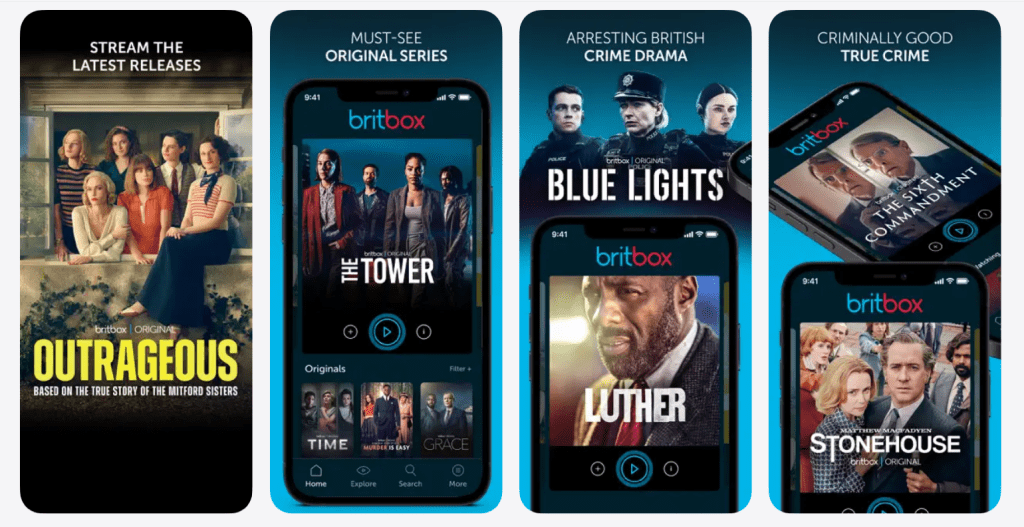
BritBox is at its best when it plays a clear role in a household’s streaming lineup: the British-library subscription that makes nightly viewing easy again. It won’t replace mainstream services for most people, and it doesn’t try to. Instead, it delivers focus—crime, drama, classics, and comfort viewing—with less browsing fatigue and fewer irrelevant recommendations.
For ForeverWatch readers, the right way to approach it is simple: if British TV is already a regular habit, this can become one of the most satisfying subscriptions in the stack. If British content is only an occasional craving, it still makes sense—but as a smart rotation service rather than a permanent bill.