Curiosity Stream is the kind of streaming service people subscribe to when they’re tired of scrolling for entertainment and want something that actually feels useful. Compared with broader streaming services, it has a clearer lane: documentaries and factual series built around science, history, nature, technology, society, and big questions.
That knowledge-first identity makes it different from mainstream streaming platforms. It’s not trying to win the blockbuster war. It’s trying to become the service a viewer opens when they want to learn, relax, and watch documentaries without feeling like time was wasted.
This review breaks down what Curiosity Stream is best for, what the catalog feels like in real life, which features matter most, how the pricing typically works in an evergreen way, who it fits, where it wins, where it can fall short, how to use it safely, and which alternatives make sense depending on what a viewer wants.
What Curiosity Stream Is Best For
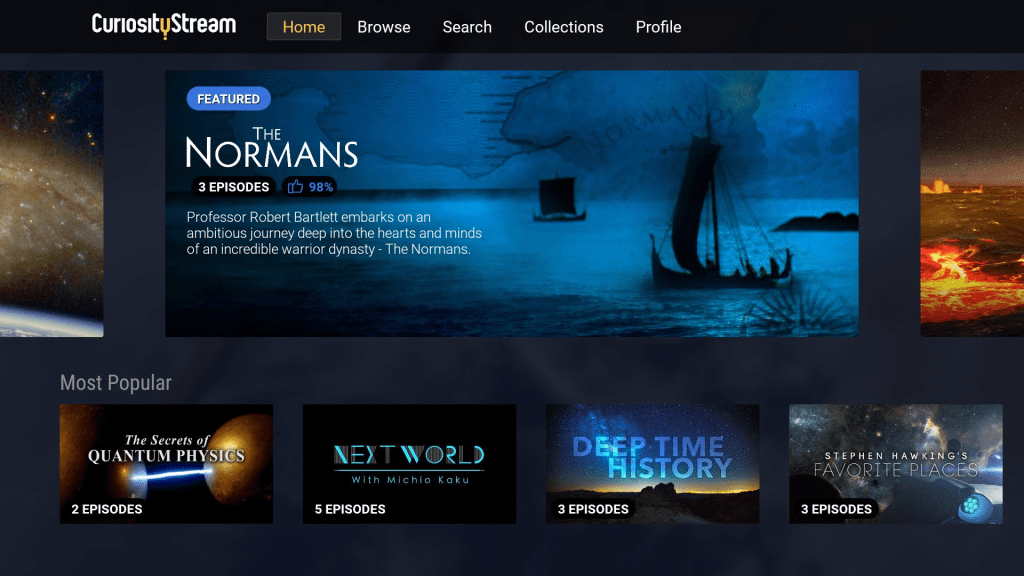
Curiosity Stream works best for viewers who want documentaries on demand without the chaos of a giant everything catalog.
It’s a strong fit for:
- Viewers who enjoy documentaries as comfort viewing.
- People who want short, focused episodes they can finish in one sitting.
- Learners who like rotating between science documentaries, history, nature, and tech.
- Households that want something educational without feeling like homework.
- Viewers who prefer calm, ad-light or ad-free streaming vibes, depending on plan and region.
It can be less ideal for:
- Viewers who primarily watch scripted series and blockbuster movies.
- Households that want sports, live TV, or brand-new mainstream releases.
- People who only watch documentaries occasionally and already get enough from free sources.
- Viewers who need a huge kids-first catalog, because some content works for families, but it’s not a kids platform.
A practical way to decide: if a viewer watches even a few documentaries per week, Curiosity Stream can become a daily driver quickly.
Content Library and What It Feels Like
The biggest advantage of Curiosity Stream is that it feels purpose-built.
Instead of digging through a massive general catalog to find one great documentary, viewers open the app and almost everything is already aligned with their intent. The library typically leans into:
- Science and space documentaries.
- Nature wildlife documentaries.
- History documentaries and archaeology.
- Engineering and technology.
- Psychology and human behavior.
- Society, economics, and modern issues.
- Biographies and deep dives.
- Short series that are easy to binge.
The tone often feels cleaner and more focused than mainstream documentary sections. A lot of titles are designed to be watched quickly without losing clarity.
The Watching Experience Difference
Mainstream platforms treat documentaries as one category among thousands. Curiosity Stream treats documentaries as the main event.
That changes how it feels:
- Less time searching.
- More time learning.
- More consistent quality control.
- A calmer viewing vibe.
- A better fit for viewers who prefer factual discovery over random browsing.
It becomes the platform people open when they want to replace doomscrolling with something better.
Documentary Categories That Make Sense Here
Curiosity Stream should not be treated like a generic movie app. Its strongest anchors come from factual topics, educational viewing, and documentary-style series.
Depending on the catalog, viewers may use it for:
- political documentaries when they want society, power, policy, or global issues.
- biographical movies and profile-style documentaries when they want real-life stories.
- Nature and animal content when the household wants calm viewing.
- Space, science, and technology titles when someone wants curiosity-driven learning.
- Factual series that feel closer to best docuseries than random one-off entertainment.
That variety matters because Curiosity Stream is not only for serious academic viewing. It can also be relaxing, visual, and easy to watch after a long day.
Key Features That Matter
Curiosity Stream doesn’t need flashy features. The features that matter are the ones that support a knowledge-first routine.
Strong Category Browsing
Documentary-heavy services succeed when categories are specific and well organized.
Viewers should be able to go from “I want something about space” to “I’m watching a space documentary” in under a minute. That is where a focused platform has an advantage over a giant general catalog.
Good category browsing helps viewers choose by mood:
- Short and easy.
- Deep and serious.
- Nature-focused.
- Science-heavy.
- Historical.
- Technology-driven.
- Human-story focused.
That makes the service feel useful instead of overwhelming.
Series Structure That Supports Bingeing
The best factual streaming is structured like entertainment: clear episodes, clear arcs, and enough pacing to keep interest.
This is where Curiosity Stream can work well for viewers who enjoy best documentary TV shows style viewing. The platform includes factual series, so TV-style anchors make sense here because the article itself confirms that the service is not movies-only.
A viewer may not always want one long documentary. Sometimes they want a short episode about space, animals, engineering, ancient history, or psychology before bed.
Offline Viewing, Where Supported
For commuters and travelers, offline viewing can turn documentaries into a daily habit. It also helps viewers avoid buffering and save data.
Offline viewing is useful for:
- Flights.
- Commuting.
- Load-shedding moments.
- Low-data situations.
- Students who want to watch away from home.
- Viewers who like learning during downtime.
A factual service becomes more valuable when it fits into small pockets of the day.
Watchlists That Stay Useful
Watchlists become messy when a service has too much. On a focused platform, a watchlist stays practical, especially when viewers save titles by theme.
A smart watchlist can be split mentally into:
- Space.
- Nature.
- History.
- Technology.
- Society.
- Short episodes.
- Deep dives.
The goal is not to save everything. The goal is to create a useful queue for nights when the viewer wants something smart but easy to start.
Profiles and Cross-Device Convenience
A documentary service works best when it’s easy to go from TV viewing to phone viewing without friction.
People often watch documentaries in mixed contexts:
- Focused nights on the TV.
- Quick episodes on the phone.
- Tablet viewing while traveling.
- Laptop viewing during study breaks.
- Background learning while doing simple tasks.
Because Curiosity Stream includes factual series, it can also sit beside broader ways people watch TV shows online, especially when the viewer wants educational episodes instead of scripted entertainment.
Pricing
Curiosity Stream is subscription-based. Prices and promotions can change over time, so the best way to evaluate value is by usage pattern instead of exact numbers.
The subscription usually makes sense when:
- The viewer watches documentaries weekly.
- The household wants a steady supply of factual content without relying on random YouTube algorithms.
- A viewer wants calm streaming that feels productive.
- Someone wants a low-cost add-on subscription that complements mainstream services.
- The household already has entertainment covered elsewhere and wants a smarter viewing layer.
It makes less sense when:
- The viewer watches documentaries only once in a while.
- The household already has enough documentary content from other services.
- The viewer wants mainly scripted entertainment.
- People don’t actually finish factual content and prefer short clips instead.
- The service is being used out of motivation rather than real habit.
A Simple Value Test
Use this before deciding whether the subscription makes sense:
- Pick 10 titles that look interesting
The catalog should immediately offer several titles the viewer genuinely wants. - Ask whether three would be watched this month
If yes, the subscription is probably useful. - Check the topic spread
If all the interesting titles are only in one category, the viewer may need to rotate the service later. - Decide the role
Is it a daily learning app, a weekend documentary app, or a temporary add-on? - Compare it with existing habits
If the viewer already watches factual content often, Curiosity Stream has a clearer job.
If a viewer would not watch at least a few titles in the next month, free documentary sources or occasional rentals may be enough.
User Base and Who Sticks With It
Curiosity Stream tends to build loyalty because it becomes a habit.
Long-term users often include:
- Students and lifelong learners.
- Professionals who want smarter downtime.
- Parents looking for educational content in the home, especially for teens.
- Documentary lovers who prefer focused catalogs.
- People reducing social media time and replacing it with structured learning.
- Viewers who want calm factual series instead of noisy entertainment apps.
People who often cancel:
- Viewers who only subscribe during a burst of motivation.
- Households that want one everything app.
- People who prefer drama and comedy series over factual viewing.
- Viewers who only want big headline documentaries occasionally.
- People who do not naturally enjoy learning-based entertainment.
A common pattern: Curiosity Stream becomes the weekday streaming service. It doesn’t always dominate weekend entertainment, but it wins the daily routine.
Advantages
Curiosity Stream usually wins in these areas:
- A Catalog Built Around Learning, Not Noise
Everything is aligned with the viewer’s intent, which reduces browsing frustration. - Great Value as a Supporting Subscription
Many households keep one or two big mainstream services and add Curiosity Stream as the smart content layer. - Easy to Binge Without Feeling Like Time Was Wasted
Viewers often finish a series and feel like they gained something. - Calm Viewing Vibe
Documentaries can be relaxing. This service leans into that naturally. - Strong for Niche Curiosity and Deep Dives
People who love specific topics can find structured content rather than random clips.
Disadvantages
Curiosity Stream also has real limits:
- Not for Scripted Entertainment Seekers
If a viewer mainly wants movies and drama series, it won’t satisfy that craving. - Some Viewers May Outgrow It Quickly
People who binge hard for a month might feel like they caught up unless they rotate topics. - Topic Preferences Matter
If someone isn’t interested in history, science, nature, technology, or society, the catalog won’t convert them. - Not a Kids-First Platform
Some content can be family-friendly, but it’s not designed as a children’s streaming hub. - Discovery Can Become Repetitive for Narrow Interests
If a viewer only watches one topic, such as only space or only animals, they may want more variety or a complementary service.
Safety and Account Security
Curiosity Stream is generally straightforward to use safely, but good habits still matter.
Practical safety checklist:
- Use a strong, unique password.
- Avoid sharing accounts widely.
- Keep devices updated.
- Be careful logging in on public or shared devices.
- For families, guide younger viewers toward age-appropriate topics.
- Sign out when using shared devices.
The main safety goal is simple: keep the account secure and keep viewing appropriate for the household.
Alternatives to Curiosity Stream
The best alternative depends on what the viewer wants.
Curiosity Stream vs Kanopy
Kanopy can be excellent for documentaries if access exists through a library or university. It often feels more library-backed, ad-free, and educational, while Curiosity Stream feels more like a dedicated factual subscription.
Kanopy is better when the viewer already has access through a library. Curiosity Stream is better when the viewer wants a direct documentary subscription without depending on institution access.
Curiosity Stream vs GuideDoc
GuideDoc is another strong documentary-focused option, especially for viewers who want curated factual storytelling. Curiosity Stream often feels broader across science, nature, history, and technology, while GuideDoc may appeal more to viewers who want a documentary-first catalog with a curated feel.
The better fit depends on whether the viewer wants wide factual topics or a more curated documentary lane.
Curiosity Stream vs Docsville
Docsville can make sense for viewers who want documentary storytelling with a more focused true-story or factual feel. Curiosity Stream is often stronger for knowledge categories like science, nature, space, history, and technology.
A viewer who wants broad learning may lean Curiosity Stream. A viewer who wants a more documentary-channel feel may compare Docsville closely.
Curiosity Stream vs MUBI
MUBI is not a documentary-first service. It is more of a curated cinema platform with international, indie, and festival-style films. Curiosity Stream is better for factual learning and documentary habits.
MUBI makes more sense when the viewer wants curated cinema. Curiosity Stream makes more sense when the viewer wants knowledge-first viewing.
Curiosity Stream vs Mainstream Documentary Sections
Netflix documentary sections can be strong, but inconsistent. Prime Video can offer variety, but discovery can feel cluttered. Disney Plus can work for nature-focused viewing in some regions.
Curiosity Stream is different because factual content is not a side category. It is the main reason the platform exists.
Alternatives by Viewing Need
If the goal is documentary-first viewing, compare:
- Kanopy.
- GuideDoc.
- Docsville.
- Curiosity Stream.
- Documentary sections inside broader platforms.
If the goal is curated cinema with some documentary overlap, compare:
- MUBI.
- Criterion Channel.
- Fandor.
- Sundance Now.
If the goal is nature, science, and factual learning, compare:
- Curiosity Stream.
- Kanopy, where available.
- Public broadcaster documentary sections.
- Educational video resources tied to libraries or universities.
If the goal is family-friendly educational viewing, compare:
- Curiosity Stream.
- Kanopy Kids, where available.
- Public broadcaster kids and learning sections.
- Educational YouTube channels, with supervision.
A smart ForeverWatch lineup approach is pairing one mainstream entertainment service, one documentary-first service like Curiosity Stream, and one free ad-supported service for casual nights.
FAQs
- What is Curiosity Stream?
Curiosity Stream is a subscription streaming service focused on documentaries and factual series across science, history, nature, tech, and society. - Is Curiosity Stream only documentaries?
It’s primarily documentaries and factual programming. That focus is what makes it feel different from mainstream streaming apps. - Is Curiosity Stream worth it?
It’s worth it for viewers who watch documentaries regularly and want a focused catalog without endless browsing. - Does Curiosity Stream have movies and scripted shows?
It’s not designed for blockbuster movies or mainstream scripted series. It’s built around factual content. - Can Curiosity Stream replace Netflix or Prime Video?
Usually not. It’s better as a supporting service that complements mainstream entertainment platforms. - Is Curiosity Stream good for students?
Yes. Many students and lifelong learners use it for structured learning and quick deep dives. - Is there content for families?
Some content can be family-friendly, especially for teens, but it’s not a kids-first streaming platform. - Does Curiosity Stream allow offline viewing?
Offline viewing is often an important feature on documentary services, depending on device support and plan rules. - What topics does Curiosity Stream cover best?
Common strengths include science, nature, history, technology, engineering, and modern societal issues. - Can viewers binge series on Curiosity Stream?
Yes. Many series are structured for bingeing with short episodes and clear progression. - Is Curiosity Stream safe to use?
Yes, standard streaming safety applies: secure passwords, updated devices, and appropriate viewing choices. - Does Curiosity Stream have ads?
That depends on plan and region. The best evergreen expectation is that the service is subscription-based and designed for focused viewing. - How can viewers get the most value from Curiosity Stream?
Rotate topics weekly, keep a short watchlist, and treat it as a “weekday habit” platform for smarter downtime. - What are the best alternatives?
Kanopy (if available), documentary sections on mainstream platforms, and curated free documentary sources. - Who should skip Curiosity Stream?
Viewers who only want movies, sports, or mainstream scripted entertainment should skip it and choose a general streaming service instead.
Final Verdict
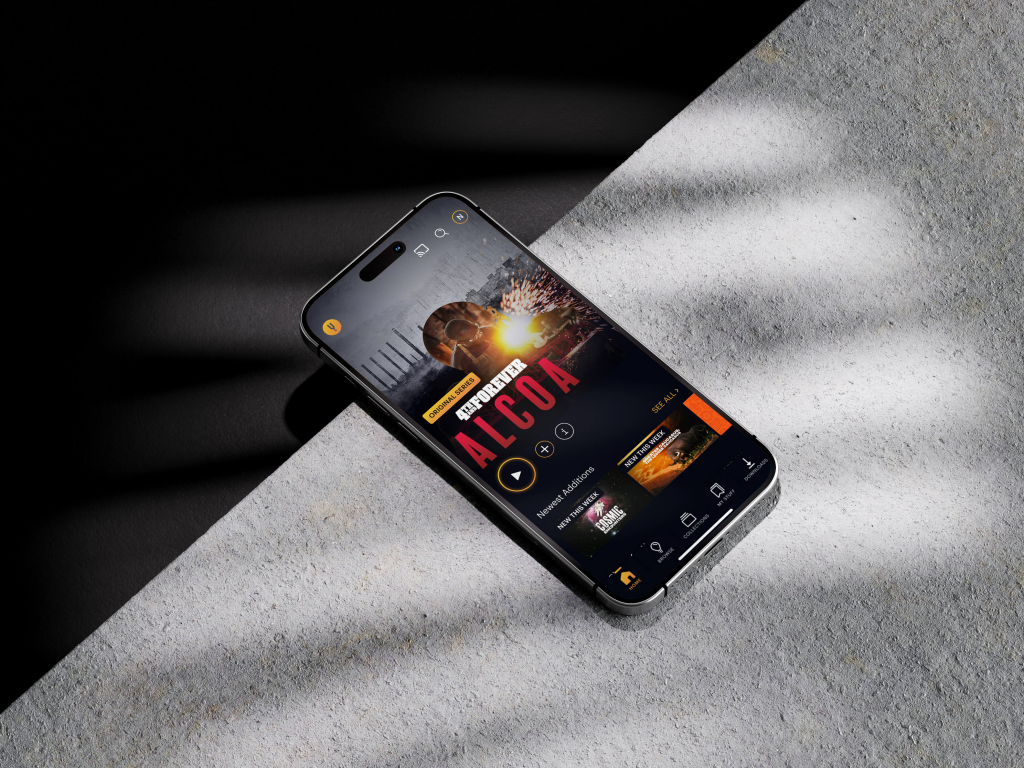
Curiosity Stream is a strong choice for viewers who want documentaries and factual series without the clutter of a massive entertainment warehouse. It shines as a knowledge-first streaming habit—something a viewer can open daily, learn something new, and still feel relaxed afterward. It won’t replace mainstream services for blockbuster entertainment, but as a supporting subscription in a ForeverWatch-style lineup, Curiosity Stream can be one of the smartest adds for anyone who wants streaming that feels more productive and less noisy.