Criterion Channel can turn a casual “let’s watch something” night into a proper film education. Instead of chasing whatever is loudest this week on mainstream streaming services, it focuses strictly on curated cinema—classics, international gems, and influential titles. More importantly, it serves them up with context that helps viewers understand what they are watching and why it matters.
Overview: What it actually is
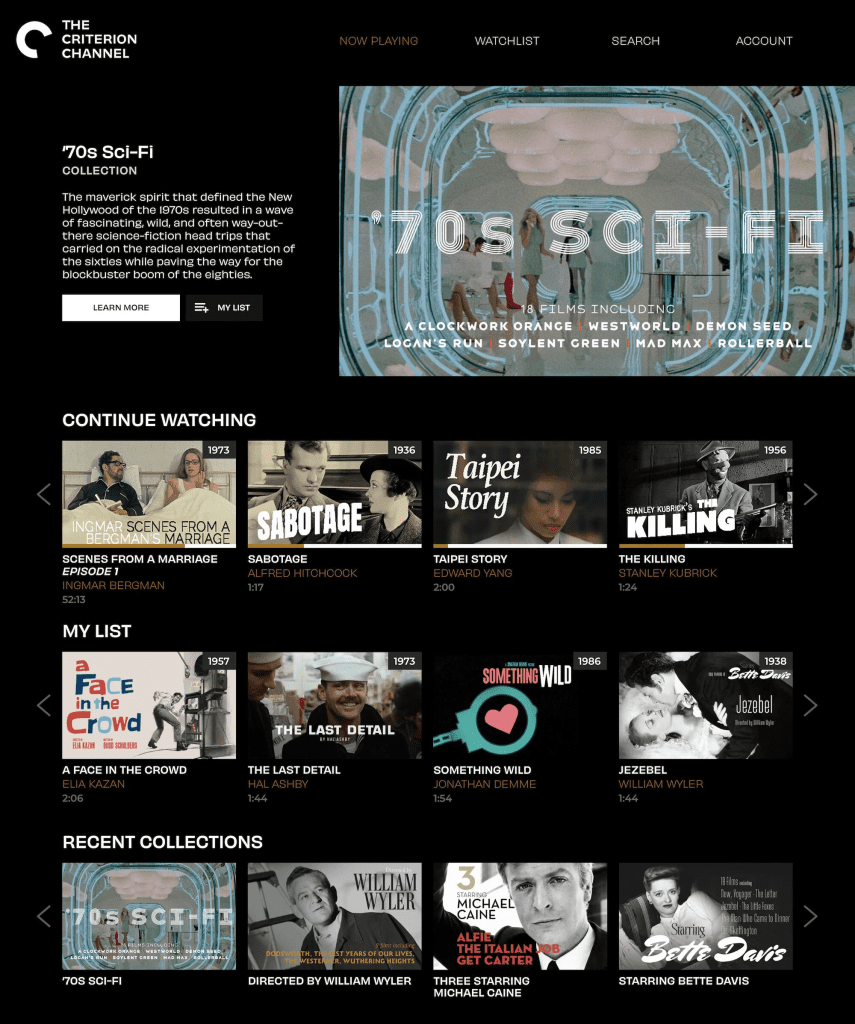
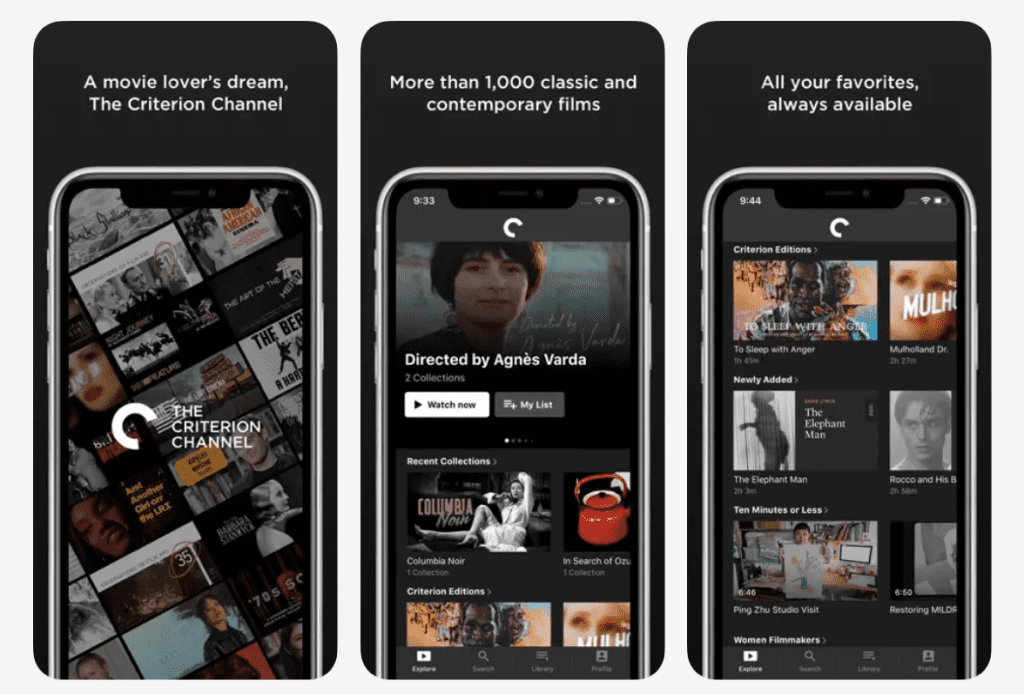
Criterion Channel is a subscription streaming platform built around carefully programmed, culturally significant films. It does not try to be the biggest library on earth. Instead, it tries to be the most intentional of all the movie streaming sites: offering director spotlights, themed collections, festival-style programming, and a rotating lineup of over 1,000 classic and contemporary films.
If a household expects one giant pile of new releases, the positioning can be misunderstood. If a household wants a smarter way to figure out where to watch movies that leave a lasting impact, the value is immediate.
Who It’s For (And Who It Isn’t)
This service fits viewers who:
- Prefer undeniable quality over algorithm-driven volume.
- Actively seek out classic black and white movies and cinema from previous eras.
- Love exploring international movements and the best foreign movies available.
- Want human-driven curation, not just a “because you watched X” recommendation feed.
It may not fit viewers who:
- Mostly want the newest blockbuster theatrical releases.
- Expect lots of current-season reality TV.
- Need a kid-first “default” household app.
- Mainly stream live sports or 24/7 news.
A simple rule: This is a primary service for true cinephiles and a rotation service for curious mainstream viewers.
Interface and Discovery: How Browsing Feels
Criterion Channel keeps browsing calmer than most platforms. Instead of blasting autoplay trailers, the home screen typically pushes collections, staff picks, and programming blocks that make choices easier. Recently, the platform even introduced a “Criterion 24/7” live stream, giving viewers a continuous feed to drop into if they cannot decide what to watch.
Discovery usually comes from:
- Curated collections based on themes, cinematic movements, or festivals.
- Director and actor spotlights.
- Editorial write-ups that explain the “why” behind the specific picks.
- Rotating programming that makes the catalog feel alive and urgent.
When streaming fatigue and endless scrolling are the problems, this highly curated approach genuinely helps.
Library and Programming: The Real Reason People Subscribe
The catalog is where the platform earns its immense trust. It leans deeply into:
- Classic Hollywood and studio-era essentials.
- Highly influential cult classic movies that shaped modern pop culture.
- The best documentary movies, experimental works, and short films.
- Hard-to-find, prestige political movies and intense dramas that rarely show up on mainstream general apps.
The bigger win is how films are grouped. Watching one of the best thriller movies often leads you to a collection of three more in the exact same stylistic lane. That “collection momentum” is a huge part of the experience.
Context and Extras: Film Education Without Feeling Like Homework
The platform is unusually generous with context. Many titles include introductions, filmmaker interviews, audio commentaries, or supplemental pieces that deepen your understanding of the craft. Even viewers who don’t watch every extra still benefit because the service is designed to guide, not overwhelm.
A practical way to use it like a mini-course:
- Pick one collection that matches your current mood.
- Watch two or three films in that specific lane.
- Use one extra feature to add historical context.
- Rewatch a favorite scene with new eyes.
That is the kind of cinematic value that simply does not show up in a standard “how many titles?” library comparison.
Pricing: How to Think About Value
Currently priced at $10.99 per month or $99.99 for an annual subscription, the service operates as a premium niche add-on. For most households, it is not a replacement for a massive mainstream platform—it is the “quality layer” that completes the stack.
Value tends to be strong when:
- The household watches three to five films per month on it.
- World-class curation reduces wasted browsing time.
- Viewers actually want to expand their taste beyond their comfort zones.
If a household only watches one art-house movie a month, it is smarter to rotate: subscribe, binge the collections that look good, pause, and then return later.
Video and Audio Quality
Most viewers will be highly satisfied with the presentation. Older films can occasionally look “older” purely because of the physical source material, not because the digital playback is weak. Modern titles generally stream flawlessly, and the service is built much more for stable, faithful viewing than flashy, bandwidth-heavy UI gimmicks.
Devices and Compatibility
The platform is meant to fit typical setups: dedicated smart TV apps, mobile viewing, and web browser playback. The key takeaway is simple: this content is best viewed on the biggest screen available. The whole point is appreciating gorgeous cinematography, subtle performance, and mood without the distraction of a small screen.
User Base: Who Actually Uses It
The audience attracts a loyal mix of:
- Film enthusiasts who already follow specific directors and movements.
- Casual viewers who want “better movies” without having to do the research themselves.
- Students and creatives building visual references and expanding their taste.
- Couples who want a smarter, more engaging date-night option than random scrolling.
It may not be the loudest service in a household, but it frequently becomes the most loved one once the curation clicks.
Advantages: Where It Wins
The strengths are incredibly consistent for the right audience:
- Human curation that feels deeply purposeful.
- Global depth extending far beyond the usual U.S.-heavy catalogs.
- Better discovery workflows (collections over endless scrolling).
- Context and supplemental extras that deepen enjoyment.
- A calmer experience that completely eliminates decision fatigue.
If your ideal night of streaming should feel like visiting an elite digital library and a film festival simultaneously, this is your lane.
Disadvantages: Where It Can Frustrate People
Common friction points include:
- It is not a “new release machine” for recent theatrical blockbusters.
- It features almost zero mainstream television programming compared to general services.
- There is a massive taste mismatch if a viewer actively dislikes older or subtitled films.
- Rotating monthly availability means some titles leave over time.
None of these are deal-breakers for the target audience, but they matter when managing your monthly streaming budget.
Safety and Account Basics
Because it is not a social platform, safety is mostly about standard account hygiene:
- Use a strong password and a unique login.
- Be mindful of saved payment methods if you share devices.
- Keep profiles or viewing habits intentional if multiple people use the account.
Real-World Household Scenarios
- Scenario 1: The Weekend Movie Night: A household keeps one mainstream service for casual watching. This platform becomes the dedicated Friday or Saturday choice when they want something highly curated and special.
- Scenario 2: The Film Nerd: For these viewers, this becomes the daily driver. The viewer moves through collections and director spotlights the way others move through generic seasons of television.
- Scenario 3: Curing Streaming Burnout: Endless scrolling killed the vibe, and this app becomes the reset button. The platform works because it narrows the options to strictly good options, and it does it fast.
Alternatives That Make Sense
While the platform is incredibly unique, if it isn’t the right match for your household’s habits, these alternatives can step in depending on your exact goals:
- MUBI: Often a stronger choice if you prioritize modern arthouse cinema with a strictly limited, rotating “film of the day” selection.
- Kanopy: A fantastic, free alternative for highly curated cinema, provided you have a participating library card or university login.
- Max: If you want a massive general catalog that still respects prestige cinema, this is the best mainstream blend of blockbuster hits and classic film hubs.
- Fandor: Another solid destination if your primary focus is deep indie films and international cinema.
The core difference remains the editorial depth. Criterion Channel sells cinematic discovery and education, not just raw access to video files.
FAQs
1) What is Criterion Channel best for?
Criterion Channel is best for curated cinema—classics, international films, and collections that help viewers explore film history and style.
2) Is it beginner-friendly?
Yes. The collections make it easier to start with accessible classics, then go deeper at a comfortable pace.
3) Does it replace a mainstream entertainment service?
Not usually. Criterion Channel is focused on film curation rather than broad TV and mass originals.
4) Can it be used as a rotation subscription?
Absolutely. Many people use Criterion Channel for a few months, watch a stack of films, then pause until the next deep dive.
5) Is it mostly old movies?
It leans classic, but the bigger point is “curated,” not “old.” Expect a mix of eras with an emphasis on influence and craft.
6) Are subtitles common?
Yes. International cinema is a core part of what makes Criterion Channel valuable.
7) Does it have documentaries and shorts?
Yes. Documentaries, shorts, and experimental work show up often, especially in themed programming.
8) Is it good for families?
It can be, but it’s not primarily a kids-first service. It works best as an add-on in film-focused households.
9) Do films leave the service?
Yes, some titles rotate. Planning watches around “leaving soon” sections helps.
10) Is offline viewing available?
Depending on device and app updates, offline viewing may be available. If that matters, check the current app options on the device you use most.
11) How do viewers get value fast?
Pick one collection, add 10 films to a watchlist, and commit to two film nights a week. Criterion Channel rewards momentum.
12) Who should skip it?
Viewers who mainly want new blockbusters, big franchises, or sports may not get enough value from Criterion Channel.
Final verdict
Criterion Channel is a purpose-built service for people who care about cinema, not just background content. It’s calm, curated, and surprisingly habit-forming once viewers realize how easy it is to find something meaningful. For film lovers, Criterion Channel can be the best subscription in the stack. For everyone else, it’s still a smart rotation option—subscribe when the itch to explore hits, then come back when another collection pulls you in.