Sundance Now is a streaming platform that feels like a relief for people who are tired of bloated libraries and endless scrolling. Instead of trying to be everything to everyone, it focuses on a specific mood—crime, mystery, thrillers, and story-driven drama—and builds a curated catalog around that identity.
Recently, the platform shifted its focus even further. In early 2026, AMC Networks announced that Sundance Now is pivoting to highlight curated independent cinema directly from film festivals, scaling back slightly on original scripted series. This evolution cements its status as one of the most specialized streaming services available today, prioritizing independent voices and festival darlings.
That narrow focus is the whole point. It is also the reason some viewers love it instantly, while others bounce off after a week.
Overview: What This Service Actually Is
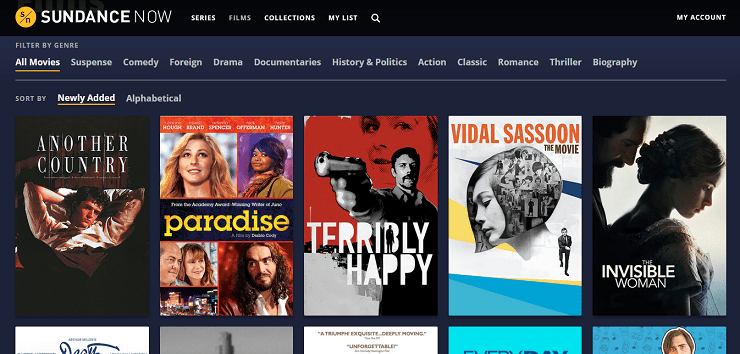
This platform is a subscription option built around highly curated entertainment rather than a massive, all-genre dump. The library typically leans into suspense-heavy series, darker dramas, investigative documentaries, and international picks that do not always dominate mainstream homepages.
The biggest expectation reset: it is not designed to replace the massive giants in a household. It is designed to complete the lineup by owning a specific lane. For the right viewer, that lane becomes the absolute easiest place to find something worth watching fast.
Who It’s For: The Viewer Profile That Gets Maximum Value
This service clicks hardest for viewers who:
- Prefer crime, mystery, thrillers, and tense dramas.
- Actively seek out indie films and cult classic movies rather than major studio blockbusters.
- Want fewer choices but a significantly better hit rate.
- Enjoy discovering titles they didn’t already know.
- Like a curated vibe rather than algorithmic chaos.
It is a weaker fit for viewers who:
- Want one platform to cover kids, live sports, reality, and blockbusters.
- Only watch big franchise titles and trending mainstream releases.
- Get bored without constant major theatrical premieres.
When your taste matches the catalog, the experience feels premium. When it doesn’t, it feels limited.
Content Library: What Viewers Typically Watch Here
The strongest content lanes tend to look like this:
Crime and mystery series
This is the core audience lane. The catalog often includes suspense that is less cartoonish and more character-driven, making it a reliable destination if you are hunting for the best detective TV shows.
Psychological thrillers and dark drama
Many titles focus on tension, pacing, and atmosphere rather than spectacle. This curated approach applies heavily to their collection of Psychological Thriller TV shows.
International series and indie acquisitions
A curated service shines when it pulls strong shows from outside the usual mainstream pipeline. With its 2026 rebranding, viewers will see an even stronger influx of independent movies arriving straight from their theatrical runs and global film festivals.
Documentaries and investigative storytelling
Viewers who like real-world mystery, deep investigations, and serious documentary tones will find plenty of high-quality True Crime Documentaries to dive into.
The main advantage is not quantity. It is that browsing tends to feel incredibly quick because the library is built around a consistent taste.
User Experience: How It Feels in Real Households
A streaming service lives or dies on one thing: how fast it gets someone from “I want to watch” to “I’m watching.”
This platform tends to reduce two common frustrations:
- Decision fatigue: Having too many options where nothing feels right.
- Content hunting: Checking multiple apps before finally settling on something.
Because the catalog is more focused, it often feels easier to commit to a show. People do not quit streaming because the show isn’t perfect—they quit because choosing becomes exhausting.
Features That Matter Most
For a curated subscription, the practical features are what actually count on a daily basis:
- Clean categories that match exactly how viewers browse suspense and drama.
- A watchlist that makes cinematic discovery saveable.
- “Continue watching” rows that reliably track your progress.
- Solid search functionality that does not require perfect title memory.
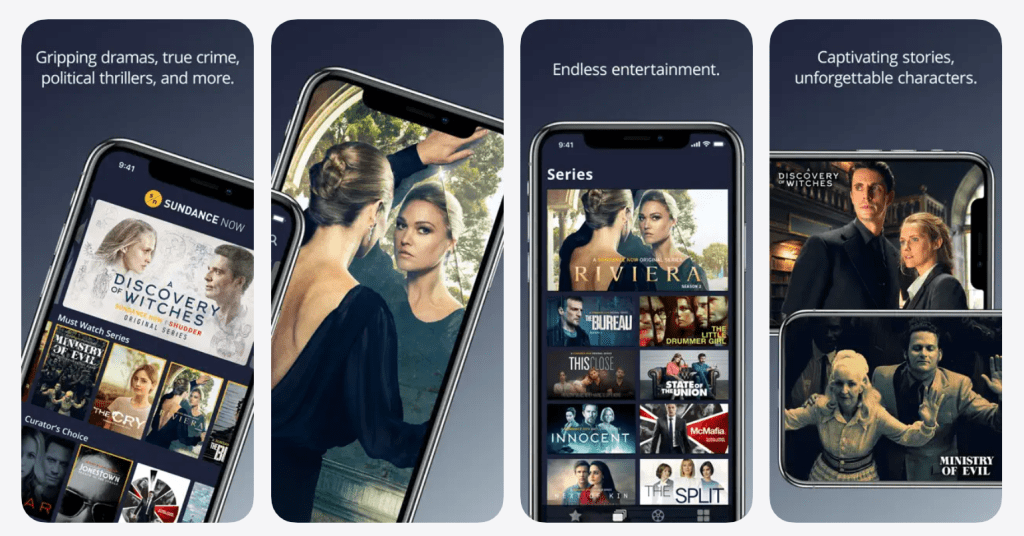
- Stable playback across a wide variety of devices, including smart TVs, streaming sticks, and mobile apps.
This is not the kind of service that needs gimmicks. It needs the basics to work smoothly so the catalog can carry the entire experience.
Pricing: How to Think About Value
Pricing is structured like most standard subscriptions: a monthly plan (currently starting at $7.99 in the U.S.) with an optional annual plan that improves the value for committed viewers.
But the smartest way to judge its value is not asking “Is it cheap?” The smarter question is: Does it reduce wasted time and increase satisfaction per hour watched?
It is worth it when:
- A viewer finds a strong series quickly.
- A household actually finishes shows instead of browsing endlessly.
- It fits a rotation strategy (subscribe, binge, pause later).
It is not worth it when:
- The household wants one service to cover every mood.
- The viewer only watches massive blockbuster franchises.
Safety and Account Practicalities
This service generally follows the standard streaming safety playbook:
- Use strong passwords and avoid reusing logins.
- Keep subscription billing organized to prevent forgotten charges.
- In shared homes, set purchase controls where possible.
- Be intentional about rotation subscriptions.
Most streaming frustration isn’t security-related. It is subscription clutter. Keeping things tidy is the real win.
Alternatives That Make Sense
If the curated vibe is appealing but the specific catalog isn’t quite right for your household, these alternatives often make sense:
- BritBox: Better for viewers who want British comfort shows, familiar pacing, and classic series energy.
- Acorn TV: Strong for international drama and mysteries with a slightly different tone.
- Shudder: Best for horror-first viewers who want deeper genre commitment and serious scares.
- Criterion Channel: Ideal for cinephiles who want classic and highly curated global film collections.
- AMC Plus: The smartest option for viewers who want Sundance Now’s content included in a broader bundle that also features the main AMC network and Shudder.
Tips to Get the Best Experience Fast
- Pick one series and watch two episodes. That is the fastest way to tell if the tone matches your taste.
- Keep the watchlist short. A huge watchlist creates the exact same problem as a huge library: absolute indecision.
- Use it as a “mood subscription.” When the household specifically wants crime, mystery, and tension-heavy stories, it shines.
- Pair it with one mainstream service. This is usually the best setup: one big general service combined with one focused curator.
FAQs on Sundance Now
- What is Sundance Now best known for?
Sundance Now is best known for crime, thrillers, mysteries, and curated series that feel more selective than giant platforms. - Is Sundance Now the same as the Sundance Film Festival?
No. Sundance Now is a streaming subscription service, not a festival pass or festival-only library. - Does Sundance Now have movies or mostly series?
It offers both, but many subscribers use it mainly for series discovery. - Can Sundance Now replace a major streaming service?
For most households, it works better as a secondary subscription than a full replacement. - Who will enjoy this service the most?
Viewers who love suspense, crime stories, and curated picks usually get the most value. - Is it good for international series fans?
Yes, especially for viewers who like shows outside the most mainstream pipeline. - Is Sundance Now family-friendly?
It leans more adult and suspense-focused, so most families pair it with a kid-friendly platform. - Does Sundance Now offer a free trial?
Often yes, depending on region and where a viewer subscribes. - Is it worth it for occasional viewers?
It can be, but many occasional viewers use Sundance Now as a rotation subscription. - How does it compare to BritBox?
BritBox often leans comfort and classic UK TV, while this service leans darker, tenser storytelling. - What’s the best way to test if Sundance Now is right?
Choose one highly rated series and watch two episodes—tone fit becomes obvious quickly. - Is Sundance Now good as a binge-month subscription?
Yes. It fits the subscribe-binge-pause approach very well. - What kind of viewer might not enjoy it?
People who only watch mainstream blockbusters or want a huge all-ages library may find it too focused. - Is it better for TV lovers or movie lovers?
Many people enjoy it most for series discovery, but curated movie nights can still work well. - How can viewers get more value quickly?
Use it when the household is in a suspense mood, keep the watchlist short, and rotate subscriptions intentionally.
Final Verdict: Is Sundance Now Worth It?
Sundance Now is worth it for viewers who want curated crime, mystery, and thriller-style storytelling without a messy, bloated catalog. It isn’t trying to be the biggest platform in the home. It’s trying to be the most reliable place to find the right mood—fast.
For the right audience, Sundance Now becomes the easiest subscription to justify, because it turns “What should we watch?” into “Press play.”