Rakuten TV is built for viewers who want flexibility without being locked into yet another monthly subscription. It blends three experiences in one place: free, ad-supported streaming, live-style free channels, and a rental or buy store for newer releases. That mix changes how it should be judged. It’s not trying to be one subscription to rule them all. It’s trying to be one of the more flexible movie streaming sites for people who want options without a fixed monthly habit.
Some nights, viewers want free background entertainment. Other nights, they want a specific new movie right now. And sometimes they just want to channel-surf without thinking. Rakuten TV’s value comes from handling all three without forcing a commitment.
This review explains how the platform works in real life, where it fits best, what to expect from the free side versus the store side, which features matter, how costs usually play out, and what alternatives make sense if it isn’t the right match.
What Rakuten TV Is Best For
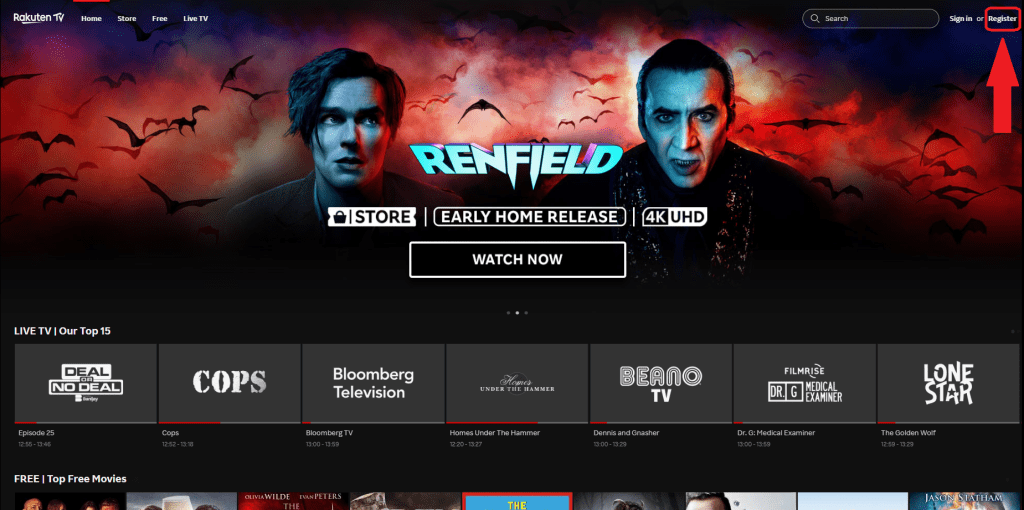
Rakuten TV tends to work best for viewers who want choice and control.
It’s a strong fit for:
- Viewers who want free streaming without starting a new subscription.
- Households that like live-style channels for casual viewing.
- People who rent or buy occasionally instead of paying monthly forever.
- Viewers who want a backup platform when other services don’t have the title.
- Anyone who prefers a pick-and-pay approach: pay only when it’s worth it.
It can be less ideal for:
- People who want one massive subscription library with everything included.
- Viewers who hate ads and don’t want to deal with ad-supported content.
- Households that only watch one streaming service and never rent or buy.
- Anyone who expects identical availability and catalogs in every country.
A simple way to decide: if a viewer likes free options plus the ability to rent a new release when the moment is right, Rakuten TV makes a lot of sense.
Content Library and What You Actually Get
The catalog experience is best understood as three lanes. This keeps expectations realistic and prevents disappointment.
Lane 1: Free, Ad-Supported On-Demand Titles
This is the open-the-app-and-watch-something-now lane. It’s often a mix of recognizable titles, hidden gems, and rotating availability. The goal isn’t to match subscription giants title for title. The goal is to provide constant “there’s something on” value.
This lane works best for viewers who are curious, flexible, and willing to browse. It can be especially useful when someone wants casual discovery instead of chasing one specific title.
Lane 2: Live-Style Free Channels
This is the couch-friendly lane. Instead of scrolling forever, a viewer can jump into a channel and let it run. It’s the closest thing to old-school TV habits, but without cable.
That matters for households that still like the feeling of watch live TV, even if they no longer want a cable package or a full live-TV subscription.
Lane 3: Store Rentals and Purchases
This is the “I want that movie tonight” lane. When a title isn’t included for free, the store option can still deliver the night. It’s especially helpful for viewers who don’t want another monthly fee but still want access to new releases sometimes.
This is where Rakuten TV becomes useful for people trying to decide where to watch movies without jumping between multiple apps and subscriptions.
The Most Realistic Way to Use the Platform
A practical approach that works for most people:
- Use the free section for casual viewing and discovery.
- Use live channels for background entertainment.
- Rent or buy only when there’s a clear must-watch reason.
That pattern keeps costs under control and makes the platform feel like a smart tool, not another expense.
Key Features That Matter
Rakuten TV’s strengths are less about fancy extras and more about reducing friction.
Cross-Device Availability and Living-Room Convenience
The experience improves when a platform works easily on the biggest screen in the house. Rakuten TV is designed to be a living-room option, not just a phone app. That matters because free channels and movie rentals feel more valuable on a TV than on a small screen.
A rental on a laptop can feel like a quick transaction. A rental on the main TV can feel like a proper movie night.
Free Plus Store in One Ecosystem
This is the feature many people don’t realize they want until they use it. One night can be free viewing. Another night can be a rental. No new apps. No switching mental gears.
That setup is useful for households that don’t want to keep paying for services they barely use. Rakuten TV lets the viewer decide when free is enough and when a paid rental is actually worth it.
Watchlist-Style Behavior
Whether it’s called a watchlist or saved titles depends on device and version, but the idea is the same: viewers should create a short queue of what they actually plan to watch.
The biggest quality boost comes from keeping that queue small and intentional.
A practical method:
- Save a few free titles for casual nights.
- Save one or two rental ideas for movie night.
- Remove anything that no longer feels interesting.
- Keep the list short enough that it actually helps.
A clean queue stops the platform from becoming another endless-scroll problem.
Offline Viewing on Supported Mobile Devices
Offline viewing can be a surprisingly big deal for commuters, travelers, and people with unstable connections. The common-sense approach is simple: download on mobile when the plan is to watch without reliable Wi-Fi.
That makes Rakuten TV more useful outside the living room, especially for viewers who don’t want every viewing moment to depend on connection quality.
Family Controls
For shared households, content restrictions matter. The strongest setup is always the same: keep adult viewing separate from kids’ viewing, and use restrictions so the wrong content doesn’t show up by accident.
This matters more on platforms with both free content and paid options because parents may want to control both what appears and what can be purchased.
Pricing and How Costs Really Work
This is where Rakuten TV becomes easier to explain when it’s framed correctly.
There are typically two cost modes:
- Free mode
Viewers watch without a subscription, and the cost is ads. - Store mode
Viewers pay per title when they want a specific rental or purchase.
That creates a budget-friendly truth: a household can spend zero in a month and still use the platform. Or it can spend occasionally, on purpose, only when a title feels worth it.
A Step-by-Step Way to Avoid Overspending
This keeps the platform useful instead of letting rentals become a silent habit:
- Set a monthly comfort zone
Even a small informal limit helps the household decide when a rental is worth it. - Use free content for casual viewing
Not every night needs a paid title. Free channels and ad-supported movies can cover background entertainment. - Reserve rentals for event nights
Date night, movie night, friends over, or a title everyone genuinely wants to watch. - Watch rental frequency
If rentals start happening too often, that’s the signal a subscription service might be better.
That method keeps Rakuten TV from quietly turning into a habit that costs more than expected.
User Base and Who Enjoys It Long-Term
Rakuten TV tends to keep long-term users in a few clear groups:
- The free-first viewer: watches casually and never wants another subscription.
- The smart renter: pays only for targeted must-watch titles.
- The live-channel watcher: wants a lean-back TV experience.
- The backup streamer: uses it when other services don’t have the movie or when budgets are tight.
It also fits well in households that rotate subscriptions. When Netflix or another service is paused, Rakuten TV can keep entertainment flowing without a monthly fee.
Movie Discovery and Catalog Fit
Rakuten TV is not only useful for the newest releases. Depending on region and availability, the platform can also support viewers who like browsing older, international, and less obvious titles.
That makes it a good fit for people who move between newer releases, older favorites, and category-style browsing. Some viewers may come for recent rentals, then end up exploring 90s movies, cult classic movies, or Best Foreign Movies when they want something different from the usual subscription homepage.
That kind of flexible discovery is where Rakuten TV makes sense. It doesn’t have to be the biggest library if it helps viewers find something useful at the right moment.
Advantages
Here’s where Rakuten TV usually wins in everyday use:
- No Subscription Pressure
A viewer can watch for free and only pay when it truly makes sense. - Free Plus Rentals in One Place
The platform can cover both casual viewing and intentional movie nights. - Live Channels Are Perfect for Low-Effort Viewing
Sometimes people don’t want to choose. They just want something on. - Great Backup Platform Value
When a title isn’t on a main service, the store option can save the night. - Works Well for Budget Discipline
It’s easy to set boundaries: free most days, rent occasionally.
Disadvantages
Rakuten TV also has downsides that matter depending on expectations.
- Not a Giant All-You-Can-Watch Subscription Library
Viewers who expect everything included may feel limited. - Ads Can Be a Dealbreaker for Some People
Free content is convenient, but interruptions aren’t for everyone. - Availability Varies by Region
A viewer’s country can affect what’s available and how the service is presented. - Store Costs Can Add Up if the Household Rents Too Frequently
It’s great for occasional rentals. If rentals become weekly, a subscription may be cheaper. - Discovery Depends on Personal Taste and Patience
Free catalogs often reward curious viewers. People who only watch the top ten most obvious titles might feel like they ran out quickly.
Safety, Privacy, and Account Security
Rakuten TV is generally safe to use, but common risks come from habits, not the platform itself.
Common issues to avoid:
- Reusing passwords across multiple services.
- Sharing logins too widely.
- Kids browsing adult content on a shared account.
- Accidental purchases if payment settings aren’t controlled.
Practical safety checklist:
- Use a strong, unique password.
- Keep the email account tied to the service secure.
- Use parental controls for households with kids.
- Avoid saving payment methods on shared devices if purchases aren’t intended.
- Review devices and settings occasionally if many people use the same TV.
The simplest safety upgrade is separating adult viewing from kids viewing and keeping purchase behavior intentional.
Comparisons That Help Viewers Decide
Rakuten TV is usually compared by use case, not just by brand. The real question is whether the household wants free viewing, rentals, live-style channels, or a monthly subscription library.
Rakuten TV vs Netflix
Netflix works better for viewers who want a full subscription library, binge recommendations, and a steady flow of originals. Rakuten TV works better when the viewer wants free browsing, occasional rentals, and less monthly commitment. Someone looking for the best series on Netflix may still keep Netflix as a core service, while using Rakuten TV as a backup for rentals or free movie nights.
Rakuten TV vs Prime Video
Prime Video can feel like a broader hub because it mixes subscription content, rentals, purchases, and add-ons in many regions. Rakuten TV is more focused on free viewing plus rent-or-buy flexibility. Viewers who already use Prime Video for best movies to watch on Amazon Prime may still use Rakuten TV when a title is cheaper, easier to find, or available in their region.
Rakuten TV vs Tubi
Tubi is usually stronger for people who want free, ad-supported streaming as the main experience. Rakuten TV adds the extra store layer, which matters when the viewer wants to rent or buy a specific movie. The choice depends on whether the household wants free-only browsing or free browsing plus paid access when needed.
Rakuten TV vs Pluto TV
Pluto TV is often more live-channel focused, while Rakuten TV blends live-style channels with on-demand free titles and rentals. Viewers who like channel surfing may compare Pluto TV with Rakuten TV, while viewers who also want occasional rentals may find Rakuten TV more flexible.
Rakuten TV vs Google TV
Google TV is not really a content service. It is more of a discovery and control layer that helps viewers find where titles live across apps. Rakuten TV is an actual place to watch, rent, or buy content. A household may use Google TV to search where to watch movies, then land on Rakuten TV when the rental or free option makes sense.
Alternatives to Rakuten TV
If Rakuten TV isn’t the right match, these alternatives often make more sense depending on viewing style:
- Netflix: better for broad variety, binge discovery, and subscription-first viewing.
- Prime Video: useful for a flexible ecosystem with subscription content, rentals, and add-ons.
- Disney Plus: stronger for franchise comfort, family viewing, and rewatch value.
- Max: better for premium series, prestige drama, and bigger movie-night picks.
- Tubi: useful for free streaming with ads when the viewer does not want rentals.
- Pluto TV: useful for free live channels and lean-back viewing.
- Plex: useful when the household wants personal media, free streaming, and live-style options.
- Movie streaming sites: better when the main goal is finding films across different platforms.
- Watch live TV options: better when the household mainly wants channels, news, sports, or linear-style viewing.
- Where to watch movies pages: useful when the viewer already has a specific title in mind and needs the fastest route.
The key takeaway: Rakuten TV shines when the household wants free viewing plus the option to pay only when it’s truly worth it. It works best as a flexible tool in the streaming lineup, not as the one platform expected to replace every subscription.
FAQs
1) Is Rakuten TV free to use?
Yes, many viewers use the free section without a subscription. Ads typically support that experience.
2) Does it require a monthly subscription?
Not necessarily. The platform is often designed so viewers can watch free content and only pay when renting or buying.
3) What’s the main difference between free and store content?
Free content is ad-supported. Store content is pay-per-title, usually for newer releases or specific titles.
4) Is it good for movie nights?
Yes—especially when a household wants the option to rent a specific movie without committing to a new monthly service.
5) Is it good for casual background watching?
Yes. Live channels and free titles are often best for low-effort viewing.
6) Will the same titles be available everywhere?
Not always. Availability can vary by country and region.
7) Can viewers watch on a smart TV?
In many cases, yes. The platform is designed to work well on living-room devices.
8) Is offline viewing possible?
Often yes on supported mobile devices, which can be useful for travel or unstable internet.
9) Is Rakuten TV better than a subscription service?
It depends on habits. It’s better for viewers who want free viewing and occasional rentals. Subscription services may be better for heavy daily binge watchers.
10) Can store rentals become expensive?
They can if rentals happen frequently. If rentals become weekly, a subscription might be cheaper overall.
11) Is it good for families?
It can be, especially when parental controls are used properly and kids’ viewing is managed.
12) Are ads unavoidable on free content?
Free viewing is typically supported by ads. Viewers who hate interruptions may prefer rentals or a subscription alternative.
13) Is it safe to save a payment method?
It can be, but shared households should consider purchase restrictions and account security to prevent accidental buys.
14) What’s the smartest way to use it long-term?
Use the free section most of the time, rely on live channels for casual watching, and rent only when there’s a clear must-watch reason.
15) Who should skip Rakuten TV?
Viewers who want one giant subscription library with no ads and no pay-per-title decisions may prefer a different platform.
Final Verdict
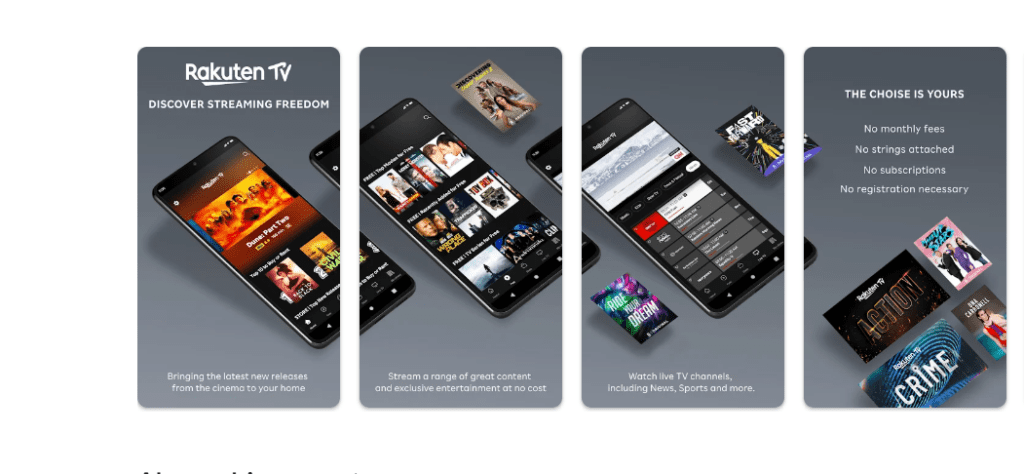
Rakuten TV works best as a flexible streaming option that fits real life: free when a household wants casual entertainment, live channels when nobody wants to choose, and rentals when there’s a specific movie worth paying for. It’s not trying to replace every subscription service. It’s trying to give viewers control—watch for free, pay only when it matters, and keep entertainment flowing even when budgets are tight or subscriptions rotate.
For viewers who want choice without commitment, Rakuten TV deserves a spot in the streaming lineup as a smart “free-first” platform with a store that can still deliver premium movie nights.