WWE Network is built for one kind of viewer: the person who treats wrestling like a universe, not a show. Some streaming services win by being broad, but WWE Network wins by being specific. It’s a wrestling-first library, a live-event gateway depending on region, and a nostalgia machine that can turn a casual fan into a historian in one weekend.
That focus makes it different from normal sports streaming sites. Wrestling is not only about the final result. It is about entrances, promos, betrayals, factions, character turns, long-running rivalries, and the emotional payoff that comes after weeks or months of build-up. For fans who already watch TV shows online and follow weekly storylines, WWE Network feels more like a full archive than a simple app.
This review breaks down what WWE Network actually offers, how it behaves in real households, what features matter most, how pricing typically works in an evergreen way, who it fits best, where it can annoy viewers, how to use it safely, and what alternatives make sense if the fit isn’t right.
Overview
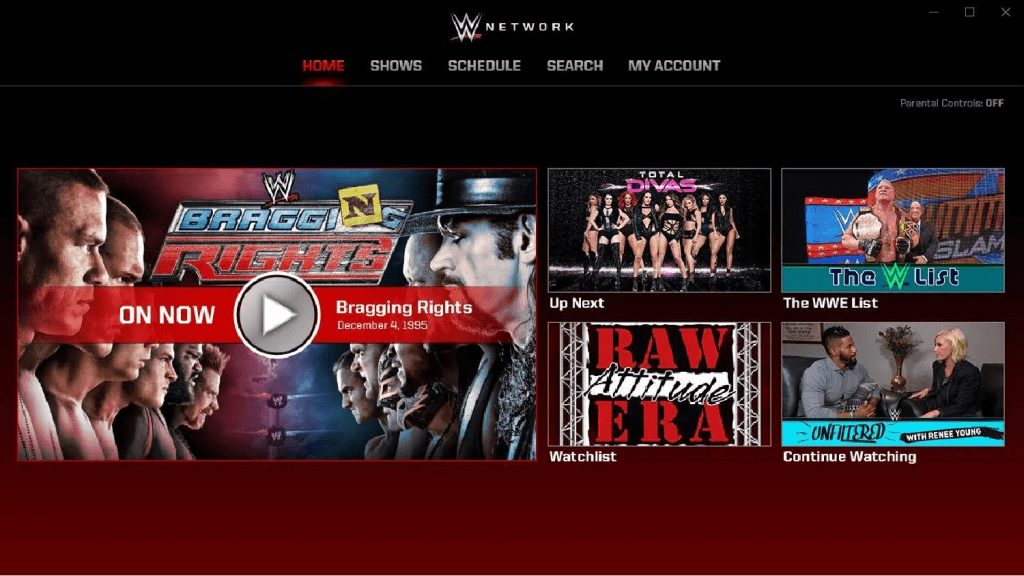
At its core, WWE Network is a wrestling-first streaming experience centered on three pillars:
- A deep on-demand catalog with classic matches, shows, events, and eras.
- Event-style viewing with the big-match feeling wrestling fans chase.
- A fan-friendly way to rewatch history, because storylines make more sense when viewers can go back.
It’s not trying to compete with movie-first platforms or everything apps. It’s designed to be the place where wrestling lives, where a viewer can go from a current rivalry to a classic feud in two clicks and feel like it’s all connected.
That niche focus becomes a huge advantage when a viewer already loves wrestling. But it can feel pointless for households that only watch occasionally or only care about one specific segment of the product.
What You Can Watch
Wrestling content isn’t like normal TV. It’s episodic, but it’s also historical.
People don’t just watch a season. They chase arcs, characters, turns, betrayals, factions, comebacks, and iconic moments.
WWE Network generally shines in these viewing patterns.
The “I Want the Whole Story” Binge
A viewer watches one big match, then wants the entire build-up:
- The promos.
- The weekly episodes.
- The rival’s response.
- The faction interference.
- The payback match.
- The rematch months later.
- The aftermath after the event.
That rabbit hole is where a wrestling library becomes addictive.
This is also where WWE Network becomes useful for anyone trying to watch pro wrestling properly instead of only seeing clips. Highlights can show the moment. The full archive explains why the moment mattered.
The Event-Night Habit
Some fans treat wrestling like a weekend ritual. They want big fights, big entrances, big drama, and the feeling of a live crowd.
Event viewing turns streaming into an occasion.
That matters because wrestling does not always behave like regular episodic TV. A major event can feel closer to a sports final, a theatre show, and a reality-drama payoff all at once.
For viewers asking where to watch WWE, the answer is rarely just about one match. It is about whether the platform helps them follow the build, watch the event, and then revisit the fallout.
The Comfort-Era Rewatch
Just like people rewatch sitcoms, wrestling fans rewatch eras.
Certain years feel like home. A theme song, an entrance, a faction, a commentary team, or a title design can pull a viewer back into a whole period of fandom.
A good catalog makes it easy to jump back to that time without effort.
That is why WWE Network can become comfort viewing. A fan may not always want the newest thing. Sometimes they want the era they grew up with, the rivalry they missed, or the event everyone still talks about.
The Best-Of Viewer
Some viewers don’t want to watch every episode. They want:
- Iconic matches.
- Legendary segments.
- Top rivalries.
- All-time great events.
- Best entrances.
- Career-defining moments.
- Classic title changes.
- Famous returns.
This group gets value when the platform makes discovery simple.
A best-of viewer may not binge every weekly episode, but they still need the archive to make those big moments easy to find.
The Library Advantage
The biggest reason fans stick with WWE Network is simple: wrestling is better when the viewer has access to the past.
Here’s why the library matters more than people expect.
Storylines Have Long Memory
Wrestling frequently references history: old rivalries, old factions, old betrayals, old stipulations, old losses, and old alliances.
When viewers can actually watch those moments, current storylines hit harder.
A return means more when the viewer can revisit the first run. A betrayal means more when the viewer remembers the friendship. A rematch means more when the viewer can watch the original fight.
That is the archive advantage.
Wrestling Is an Era Sport
Fans often identify with eras the way sports fans identify with teams.
Some fans love the attitude, some love ruthless ambition, some love the modern work-rate era, some love golden-age nostalgia, and some love specific rosters more than any single wrestler.
A platform that makes eras accessible becomes part nostalgia, part identity, part entertainment.
That is why WWE Network can feel more personal than many sports TV shows or general sports apps. It is not only about what is happening now. It is about the version of wrestling that made the viewer care in the first place.
Classic Events Don’t Age Like Normal TV
Classic events don’t age the same way scripted TV does.
A great match is still a great match. A legendary promo is still legendary. A hot crowd still feels alive. Even when production quality changes, the emotional beats remain strong.
That gives WWE Network strong rewatch value.
A viewer might know the result already, but the tension, crowd reaction, pacing, and performance can still work.
It Supports Different Types of Fandom
Some viewers love technical wrestling. Others love chaos. Others love storytelling. Others love character work. Others love entrances, costumes, crowds, and big-match spectacle.
A deep library lets fans choose their lane.
That is why WWE Network can serve different wrestling moods:
- Technical match study.
- Rivalry binge.
- Classic event night.
- Character deep dive.
- Tag-team history.
- Women’s division catch-up.
- Faction timeline.
- Comedy segment rewatch.
- Hardcore match nostalgia.
- WrestleMania season.
A broad archive makes the fandom feel expandable.
Wrestling as TV, Sport, and Storytelling
WWE Network should not be treated like a normal sports app only. Wrestling sits between sport, theatre, reality TV, long-running soap opera, and live-event entertainment.
That makes TV anchors valid here.
A fan may follow weekly shows the way others follow best sports series, reality competitions, or longest running TV shows. The difference is that wrestling blends athletic performance with scripted storytelling and real-time fan reaction.
That hybrid identity is the reason fans stay hooked. A match is not just a match. It is the next chapter.
Features That Matter
A wrestling streaming service doesn’t need fancy gimmicks. It needs tools that respect how fans actually watch.
Search That’s Fast and Forgiving
Fans search in messy ways.
They may search by:
- Wrestler.
- Event name.
- Year.
- Faction.
- Match type.
- Championship.
- Rivalry.
- Location.
- Era.
- Stipulation.
- Catchphrase.
- Pay-per-view name.
The easier it is to find something quickly, the more the service feels like a real fan tool instead of just another app.
This matters because wrestling memory is not always neat. A fan might remember the feud but not the event. Or the year but not the exact title. Search needs to support that kind of behavior.
Solid Navigation for Eras and Events
Wrestling is organized around time and event cycles.
When navigation is clean, it’s easy to say, “Tonight is a classic pay-per-view night,” and find something instantly.
Good navigation should help viewers browse by:
- Era.
- Year.
- Event.
- Weekly show.
- Superstar.
- Rivalry.
- Collection.
- Match type.
- Major event cycle.
This is where WWE Network can feel like a fan library instead of a normal streaming shelf.
Continue Watching That Doesn’t Become Chaos
Wrestling has long episodes. If Continue Watching becomes messy, the app can feel unusable.
Viewers get the best experience when they:
- Finish episodes when possible.
- Clear partially watched content.
- Keep a short, intentional queue.
- Avoid starting too many eras at once.
- Separate current viewing from nostalgia viewing.
This matters because wrestling content can pile up quickly. A few half-watched shows, a couple of classic events, and one current binge can turn the home screen into chaos.
Watchlist Discipline
The best watchlist strategy for a wrestling catalog is simple:
- One rivalry build.
- One classic event rewatch.
- One best-of list for quick viewing.
- One current catch-up item.
- One nostalgia era.
- One short match collection.
That structure prevents binge burnout and keeps the subscription feeling active.
A wrestling watchlist should not become a graveyard. It should feel like a match card.
Reliable Playback
Wrestling fans notice technical issues fast.
Buffering during entrances, audio drift, choppy playback, or sudden quality drops can ruin the vibe.
Stable playback matters more than extra features because wrestling depends on timing:
- Entrance timing.
- Crowd reactions.
- Near falls.
- Commentary.
- Music cues.
- Surprise returns.
- Promo delivery.
- Match rhythm.
If playback breaks the moment, the emotional hit gets weaker.
Live Events and Big-Match Value
A lot of people approach WWE Network expecting one simple thing: can it deliver the big-match feeling?
That depends on how a viewer uses it.
For a fan who loves history, the big-match feeling comes from rewatching iconic events with context.
For a fan who loves current hype, the big-match feeling comes from staying plugged into major events and storylines.
The evergreen truth is that wrestling isn’t just a match. It’s the build-up.
A platform feels valuable when it makes it easy to:
- Watch the build.
- Watch the event.
- Watch the fallout.
- Revisit the great moments later.
- Compare the current story to older rivalries.
When that loop is smooth, the service feels like a genuine home base.
Live-Style Viewing and Weekly Rituals
Wrestling fans often watch with a live-TV mindset, even when they are watching on demand.
They want the feeling of being part of the moment:
- Big entrances.
- Crowd noise.
- Major returns.
- Surprise turns.
- Championship matches.
- Event-night reactions.
- Social media discussion.
That is why WWE Network can overlap with viewers who still like to watch live TV for sports, events, or appointment-style entertainment.
Even when someone catches up later, wrestling still feels built around moments people talk about together.
Pricing and Value
Exact pricing can vary by region, bundles, and how a viewer subscribes. So the evergreen way to judge value is usage, not the number on the receipt.
WWE Network tends to be worth it when:
- The viewer watches wrestling weekly.
- The viewer loves rewatching older eras or classic events.
- The viewer wants a dependable archive instead of hunting clips.
- The viewer follows storylines and likes to catch up properly.
- The viewer wants full events, not only highlights.
- The viewer has enough wrestling curiosity to explore beyond the current week.
It’s less worth it when:
- The viewer only watches a few big matches per year.
- The viewer only wants highlights.
- The household needs one service that satisfies everyone equally.
- The viewer does not care about older matches or story context.
- The subscription would sit unused between major events.
Fast Value Test
Use this before keeping the subscription:
- Can the viewer list 10 things they would watch right now?
That can be events, eras, rivalries, shows, matches, or superstar collections. - Would they watch at least six long episodes or two to three full events within two weeks?
This shows real usage, not imagined fandom. - Does the viewer care about context?
If they only want clips, the archive may be too much. - Is this a keeper or rotation subscription?
Hardcore fans may keep it. Casual fans may subscribe around major events, binge, then pause. - Does it make wrestling easier to follow?
If it reduces hunting and helps the viewer understand storylines, value is stronger.
If yes, value is usually strong. If no, the subscription is better as a rotation.
Rotation is not a failure. It’s smart subscription management.
Availability and Access
This is the part many viewers misunderstand: WWE Network access can look different depending on region and device ecosystem.
Some viewers get a standalone experience. Others access similar content through partner arrangements, platform bundles, or regional streaming deals.
The safest evergreen approach is:
- Treat WWE Network as the WWE streaming ecosystem, not one identical experience everywhere.
- Confirm what’s included in the viewer’s region.
- Check the preferred device before committing long term.
- Check whether major events, archives, and weekly content are included.
- Confirm whether the viewer needs a separate app, partner platform, or bundle.
That one habit prevents frustration and makes the subscription feel predictable.
Who This Service Fits Best
WWE Network is not for everyone. It is for specific viewing habits.
Best Fit
WWE Network is strongest for:
- Wrestling fans who love full matches and full events.
- Viewers who rewatch eras and storylines.
- Fans who enjoy deep dives into rivalry timelines, faction arcs, and classic runs.
- Households where wrestling is a weekly ritual.
- Viewers who treat major wrestling events like appointment viewing.
- Fans who want full context instead of scattered clips.
This viewer is likely to use the archive often enough for the subscription to make sense.
Sometimes Fit
WWE Network can also work as a rotation subscription for:
- Casual fans who binge for one month at a time.
- Viewers who only care about one classic era.
- Fans who subscribe around major event cycles, then pause.
- Viewers who want to catch up before one big event.
- Lapsed fans returning after years away.
This group should not feel guilty about rotating. Wrestling archives are perfect for binge-and-pause behavior.
Poor Fit
WWE Network is usually a poor fit for:
- Viewers who only watch short highlights.
- Households looking for a general streaming service.
- People who aren’t already interested in wrestling storytelling.
- Viewers who mainly want movies, scripted series, or casual background TV.
- Fans who only watch one match clip when it trends.
If wrestling is not already a habit or curiosity, the library will probably sit unused.
Why Wrestling Fans Stay Long-Term
WWE Network can become sticky because wrestling rewards memory.
A fan might start with one match, then follow the story backward. Then they watch the event before it. Then they search the same wrestler’s older run. Then they jump to a different era.
That is how a library turns into a routine.
For the right viewer, WWE Network becomes one of their most watched series habits, even though wrestling doesn’t fit neatly into normal TV categories. It is episodic, historical, live-event-driven, and fandom-powered all at once.
Advantages
Here’s where WWE Network usually wins:
- A Wrestling-First Library Experience
It’s built for fans, not casual sampling. - Strong Rewatch Value
A great match holds up. A great rivalry holds up. A great era becomes comfort viewing. - Better Context Than Highlight Culture
Highlights are fun, but context makes wrestling hit harder. The platform supports that. - Great for Catch-Up-Properly Viewing
Instead of watching random clips, a viewer can follow the actual build and payoff. - Works as a Main or Rotation Subscription
Hardcore fans may keep it. Casual fans can binge and pause without losing the point.
Disadvantages
WWE Network also has real limits:
- Too Niche for Non-Fans
If wrestling isn’t already a habit, the library won’t get used enough. - Long Runtimes Are Real
Weekly shows and events take time. Viewers who want quick entertainment might bounce off. - Not a Household One-Subscription Solution
In mixed households, it’s often a one-person subscription. - Confusion About Availability Can Frustrate Viewers
Regional differences and access methods can cause disappointment if expectations aren’t set. - Highlight-Only Viewers Won’t Feel the Value
If a viewer only wants three-minute clips, a deep catalog won’t matter.
Safety, Privacy, and Account Security
WWE Network isn’t inherently risky, but streaming security still matters, especially on shared TVs.
Best practices:
- Use a strong, unique password.
- Avoid sharing logins outside the household.
- Log out of public or shared devices.
- Keep the app and device software updated.
- Use purchase controls or PIN restrictions if subscribing through a device store.
- Keep billing details protected.
- Avoid unofficial APKs or lookalike login pages.
Household and Content Safety
If kids use the same TV profile, manage what appears on the home screen and keep recommendations clean.
Wrestling content is broad. Some shows may feel family-friendly, while others can include violence, intense storylines, strong language, blood, adult humor, or darker themes depending on era and program.
Parents should decide what is appropriate, especially if younger viewers do not understand wrestling storylines as performance entertainment.
This is also where ratings literacy matters. A parent checking wrestling content may want to understand TV-14 meaning before letting younger viewers browse freely.
Alternatives to Consider
The best alternative depends on what the viewer actually wants: wrestling archives, live sports-style viewing, combat entertainment, or quick highlights.
WWE Network vs Regional Partner Platforms
Depending on the viewer’s country, WWE content may sit inside a standalone WWE app, a partner platform, a broadcaster app, or a larger streaming bundle.
That is why generic comparisons are not enough. The better comparison is regional access.
A viewer should check:
- Where current weekly programming lives.
- Where major events are included.
- Whether the archive is available.
- Whether the app supports the preferred device.
- Whether content is included or requires a separate add-on.
This is where a guide around how to watch WWE on Netflix or similar regional access pages can be more useful than comparing WWE Network to unrelated movie platforms.
WWE Network vs Peacock-Style Bundles
In some regions, WWE content may be tied to a broader entertainment platform or partner bundle.
The advantage of a bundle is that the household may get more than wrestling. The disadvantage is that wrestling can become only one shelf inside a larger app.
WWE Network is cleaner when the viewer wants the wrestling-first experience. A broader bundle is better when the household wants wrestling plus general entertainment in one subscription.
WWE Network vs Other Wrestling Promotions
Other wrestling promotions and libraries can be relevant alternatives depending on region, availability, and taste.
This comparison makes more sense than comparing WWE Network to a normal movie service.
A viewer who wants a different wrestling style may look for:
- Alternative promotions.
- Independent wrestling libraries.
- Classic wrestling archives.
- Regional wrestling content.
- Promotion-specific streaming apps.
The best choice depends on whether the viewer wants WWE history specifically or wrestling variety more broadly.
WWE Network vs Combat Sports Platforms
Combat sports platforms are not the same as WWE Network, but they can compete for the same “big fight night” mood.
A viewer who wants real combat sports may care more about MMA, boxing, or live fight cards than wrestling storytelling.
That viewer may compare UFC Fight Pass Review, DAZN-style combat access, or guides around where to watch MMA fights before choosing WWE Network.
The difference is simple: combat sports are built around real competition outcomes, while WWE is built around performance, storylines, characters, and event spectacle.
WWE Network vs Free Highlights
Official channels and social platforms can satisfy casual viewing, but they rarely replace full-event streaming for fans.
Free clips are useful for:
- Quick catch-up.
- Viral moments.
- Promo highlights.
- Match endings.
- Social sharing.
- Sampling a storyline.
But they usually don’t deliver the full build, pacing, entrances, crowd energy, and event context.
For casual viewers, clips may be enough. For real fans, full-event access matters more.
Alternatives by Viewing Need
If the goal is WWE history and archives, compare:
- WWE Network-style access.
- Regional partner platforms carrying WWE libraries.
- Broadcaster apps where WWE archives are available.
- Physical or purchased collections for specific eras.
If the goal is current weekly WWE viewing, compare:
- Regional broadcasters.
- Partner streaming apps.
- Live-TV services where available.
- Regional guides such as how to watch WWE on Netflix, depending on access.
If the goal is wrestling beyond WWE, compare:
- Other promotion-specific streaming services.
- Independent wrestling libraries.
- Regional wrestling platforms.
- Official YouTube channels for sampling.
If the goal is big-fight energy, compare:
- Combat sports platforms.
- Boxing and MMA streaming services.
- UFC-focused access.
- Sports bundles with live event coverage.
If the goal is quick free catch-up, compare:
- Official YouTube clips.
- Social media highlights.
- Recap shows.
- Official website clips.
- Podcast and fan-analysis content.
A smart ForeverWatch approach is to treat WWE Network as a wrestling-first archive and event hub, not a generic entertainment service. It belongs beside wrestling access guides, combat-sports platforms, live-event viewing, and sports-content comparisons, not in the same direct bucket as movie-first apps.e: keep one “sports/competition” lane in the site’s ecosystem, and treat wrestling as a specialist option within that lane.
FAQs
- What is WWE Network?
WWE Network is a wrestling-focused streaming service built around on-demand archives, events, and fan-friendly viewing. - Is WWE Network only for hardcore fans?
No, but it’s best for viewers who watch wrestling regularly or enjoy rewatching classic eras. - Does WWE Network replace a general streaming service?
No. WWE Network is niche and works best alongside a mainstream platform. - Is WWE Network worth it for casual viewers?
It can be, but casual viewers often get the best value by subscribing for a month, binging, then pausing. - What’s the biggest advantage of WWE Network?
A deep wrestling archive that makes it easy to rewatch eras, events, and rivalries with full context. - What’s the biggest downside of WWE Network?
It’s time-intensive. Wrestling content is long, and highlight-only viewers may not use it enough. - How should a new subscriber start using WWE Network?
Pick one current rivalry build, one classic event, and one “best-of” match list. That mix keeps viewing fresh. - Is WWE Network good for families?
It depends on the household. Parents should manage what’s appropriate and keep viewing controlled on shared devices. - Does WWE Network work on TVs and streaming devices?
In many setups, yes, but device support and access methods can vary by region and ecosystem. - Can WWE Network feel overwhelming?
Yes, because the catalog is deep. A short watchlist and a simple weekly plan usually fixes that. - Is WWE Network good for nostalgia?
Yes. Rewatching classic runs and events is one of the main reasons fans keep the subscription. - Can WWE Network be used as a rotation subscription?
Absolutely. Many viewers binge an era or rivalry, pause, then return later. - Is WWE Network safe to use?
Yes, with standard streaming security habits like strong passwords and careful device logins. - Who should skip WWE Network?
Viewers who only want short clips, or households that don’t watch wrestling regularly, will usually get more value elsewhere. - How can viewers get the most value quickly?
Choose one era, follow it for a week, then add one current storyline. That combination makes the library feel alive.
Final Verdict
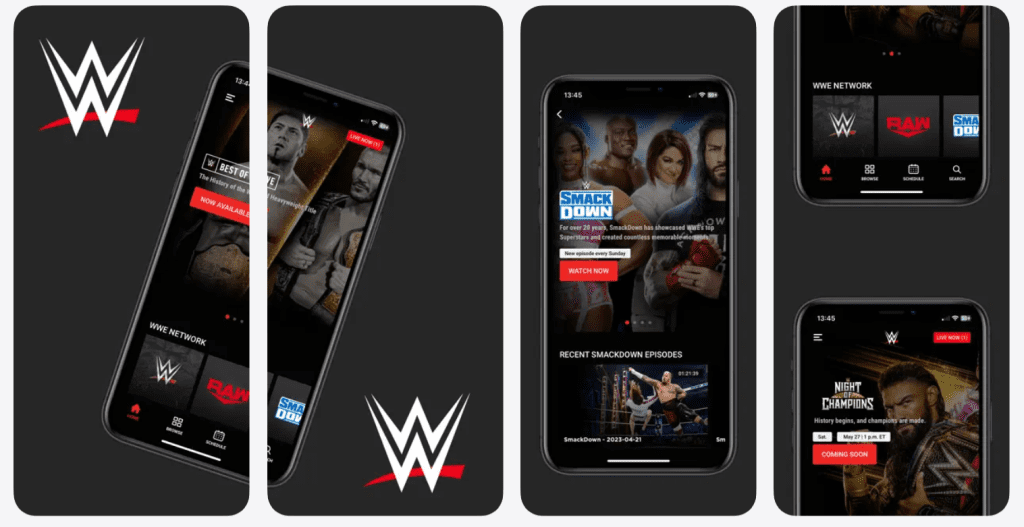
WWE Network works best when wrestling is more than background noise—when it’s a weekly habit, a nostalgia lane, or a storytelling obsession that viewers want to explore properly. The platform’s real strength is depth: full events, eras, and rivalries that hit harder when a fan can watch the build and the payoff without hunting across the internet. For the right audience, WWE Network is a high-value specialist subscription that fits cleanly into a ForeverWatch lineup as the dedicated home for wrestling streaming.