
BroadwayHD is the kind of streaming platform people discover when they’ve already tried “the usual” apps and still can’t find the one thing they actually want: professionally filmed stage productions that feel like theatre, not just theatre-adjacent content. It’s niche on purpose. And that’s exactly why it works.
A lot of viewers love musicals and plays, but they don’t live near major theatres, can’t always justify ticket prices, or simply want a way to rewatch productions without waiting for a touring run. Others are students, performers, or theatre nerds who enjoy the craft as much as the story. For those audiences, a specialist service makes more sense than hoping a general streamer randomly licenses the show they’re craving.
This review breaks down what the service is, how it behaves in real households, what features matter most, how pricing typically works in an evergreen way, who it’s best for, where it can disappoint, how to use it safely, and what alternatives make sense if the fit isn’t right.
Overview
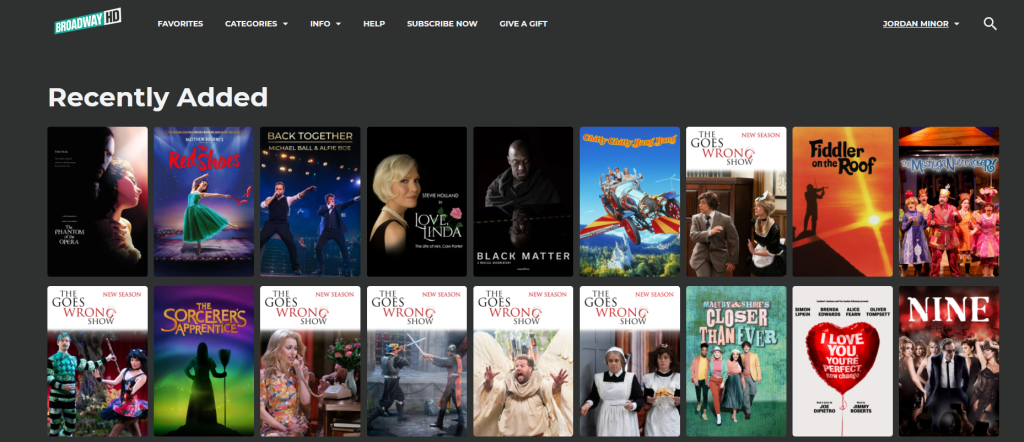
Think of BroadwayHD as a “stage library” you can open on demand. Instead of chasing whatever is trending this week, the platform leans into recorded productions—musicals, plays, and performance-based content that’s designed to preserve the feeling of live theatre as closely as a screen can.
That last part matters. Theatre fans can be picky, and for good reason. A recorded production can be magical… or it can feel like someone filmed a show from the back row with a shaky camera. The value of a theatre-focused streamer depends heavily on capture quality, sound, direction, and whether the filming respects the staging.
BroadwayHD’s core appeal is straightforward:
- It is built for theatre fans first.
- It makes it easier to find stage productions in one place.
- It offers a “watch tonight” option when going to the theatre isn’t possible.
It is not trying to compete with huge general streaming services on volume. It’s trying to win on focus.
What Viewers Actually Get
The best way to understand the platform is to picture three typical viewer types.
Viewer Type 1: The Musical Comfort Watcher
They don’t want to hunt. They want to open an app, pick a musical, and enjoy something that feels familiar. They like rewatching favorites and sharing them with friends who “aren’t theatre people” yet.
Viewer Type 2: The Theatre Student / Performer
They watch differently. They notice choices: staging, blocking, timing, vocal performance, orchestration, acting beats. They want access to productions as learning material, not just entertainment.
Viewer Type 3: The Culture Explorer
They like theatre, but they also like opera, ballet, filmed stage events, and performance documentaries. They want something more refined than algorithm-driven scrolling. They want curated craft.
BroadwayHD tends to work best when someone fits at least one of those profiles. If a household mostly wants big franchise shows, reality TV, or sports, it will feel like the wrong subscription.
Content and Catalog Feel
A theatre-first service lives or dies by the “feel” of the catalog. It doesn’t need a million titles. It needs enough quality that the viewer thinks: “Yes. This is my kind of app.”
Here’s what the catalog experience typically feels like:
1) It leans into filmed stage productions
This is the big difference. Many services have theatre-related content (adaptations, documentaries, the occasional filmed performance). BroadwayHD is built around the real thing: recorded productions that preserve stage energy.
2) It’s more classic-and-credible than “new-and-trending”
The library often rewards viewers who appreciate theatre history, well-known productions, and professionally staged work. It’s less about chasing what’s currently running on Broadway and more about giving access to strong productions that can be filmed, licensed, and streamed.
3) It scratches a specific itch
If someone’s itch is “I want to watch a proper musical tonight,” the platform can feel instantly satisfying. If the itch is “I want the newest season of a mainstream series,” it won’t.
4) It can become a rotation service
Some viewers subscribe for a month, binge theatre, then pause until the watchlist refills. That’s not a failure. It’s actually a smart way to use niche subscriptions.
Features That Matter
Broadway streaming doesn’t need flashy features. It needs the right features.
1) Search and browse that respects theatre categories
Theatre viewers browse by mood and style: musicals vs plays, comedy vs drama, classics vs modern, and sometimes by performer or creator. Good browsing makes the service feel usable, not overwhelming.
2) Watchlist and favorites
A watchlist is how niche services keep people engaged. The trick is to keep it intentional: 10–25 titles that genuinely feel exciting, not a dumping ground of “maybe someday.”
3) Multi-device support
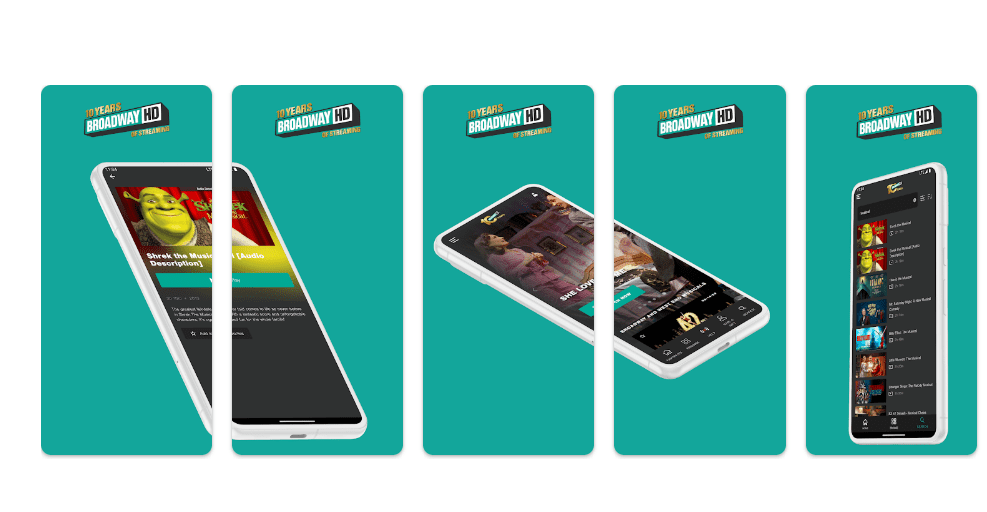
Theatre viewing is often a “big screen” experience, but plenty of people watch on laptops, tablets, and phones. A good platform experience should be smooth across devices, especially for households that move between rooms or travel.
4) Playback reliability
Theatre is sensitive to sound and visual clarity. If playback stutters or audio levels feel inconsistent, viewers notice fast. A service like this needs stable playback more than it needs experimental social features.
5) Rentals or add-ons (where available)
Some theatre platforms offer a mix: subscription library plus optional rentals. When that’s done well, it gives viewers more choice without forcing them into a higher monthly cost.
Actionable setup tip: The best first-night experience is to pick one “safe win” title immediately after subscribing. Don’t browse for 45 minutes. Pick something you already like, watch it, then explore with momentum.
Pricing and Value (Evergreen Approach)
Pricing for niche services can vary by region, device store, and whether someone subscribes directly or through a channel/add-on. So the evergreen way to judge value isn’t “what’s the exact price today?” It’s “how much theatre will this viewer realistically watch?”
BroadwayHD tends to be worth it when:
- The viewer watches theatre content weekly (or wants to)
- The household enjoys musicals or plays as an event (date night, family night, culture night)
- The viewer lives far from major theatre options
- The viewer wants access for learning (students, performers, teachers)
It tends to be less worth it when:
- The viewer only wants theatre once every few months
- The household needs one subscription to satisfy everyone equally
- The viewer mostly wants mainstream new releases
A fast value test:
- Browse for 10 minutes.
- Add 12 titles to the watchlist.
- Ask: “Would this person watch at least 3 of these in the next month?”
- If yes, it’s likely worth keeping.
- If no, it’s better as a rotation subscription.
That one habit prevents subscription fatigue and keeps niche services fun instead of feeling like “another bill.”
User Experience in Real Households
Theatre is personal. So the user experience depends heavily on the viewer’s taste and lifestyle.
Household A: The Couple Who Treats It Like Date Night
They don’t want to scroll. They want an experience. A filmed production becomes a weekly ritual, like going out—except it’s at home, cheaper, and easier. For them, the service can feel like a smart luxury.
Household B: The Mixed-Taste Family
One person loves musicals. Another wants action series. Kids want cartoons. In that household, BroadwayHD is rarely the “main” subscription. It works best as the specialist add-on that one person cares about.
Household C: The Theatre Student
This is where the platform can become high value. When a viewer is watching to learn—performance choices, staging, pacing—the content feels richer, and the subscription gets used more often.
Solo Viewer: The “Culture Recharge” Subscriber
Some people use theatre content as a reset. It’s slower. It’s more intentional. It’s not built to hijack attention the way some modern streaming is. For the right solo viewer, that’s the whole point.
Advantages
1) A focused library that respects theatre fans
It’s not trying to be everything. That clarity improves the experience.
2) Great for viewers who can’t easily access live theatre
Geography is real. So are budgets. Streaming makes theatre more reachable.
3) Better discovery for stage productions than general streamers
Theatre content on mainstream platforms is scattered. Here, it’s centralized.
4) Strong “event viewing” potential
A musical or play naturally becomes an evening activity. That’s a different feeling than bingeing random episodes.
5) Useful for learning and inspiration
Students and performers often get real value from recorded productions. They watch with purpose.
Disadvantages
1) Not a replacement for mainstream streaming
It’s a specialist. Households expecting one app to cover everything will be disappointed.
2) Taste matters more than usual
If someone isn’t truly into theatre, the catalog can feel “not for them” quickly.
3) Limited “new mainstream” energy
Viewers who chase brand-new, headline entertainment may feel the library is too curated or too classic-leaning.
4) Niche services can feel “finished” after a binge
Some viewers will watch a lot fast, then pause. That’s normal, but it’s worth planning for.
5) Theatrical intensity isn’t always “background-friendly”
Plays and musicals reward attention. If someone wants passive viewing while multitasking, this might not fit.
Safety and Account Security
This is not a risky platform by nature, but good streaming hygiene still matters—especially in shared households.
Best-practice checklist:
- Use a strong, unique password
- Avoid sharing logins outside the household
- Log out on shared TVs or devices when needed
- Keep devices and apps updated
- Use purchase controls if subscribing through a device store on a shared living-room TV
Simple household tip: If multiple people use the same account, keep the watchlist tidy and avoid letting kids “train” recommendations with random clicks. Profiles or disciplined watch habits help.
Alternatives That Make Sense
If BroadwayHD isn’t the perfect fit, alternatives usually fall into two buckets: theatre-first or performing-arts broader.
Theatre-first alternatives (best for plays and stage productions):
- National Theatre at Home (strong for UK theatre)
- Digital Theatre options (often useful for education-focused viewing)
- Globe Player (great for Shakespeare and Globe productions)
- Company-specific portals (some theatre companies offer their own streaming libraries)
Broader performing arts alternatives (theatre + more):
- Marquee TV (often mixes theatre with ballet, opera, and concerts)
- Opera-focused platforms (best if opera becomes the priority)
- Library/university-backed services (sometimes offer excellent performing arts access)
Free alternatives (good as a backup, not a substitute):
- YouTube theatre releases (sometimes limited-time)
- Free ad-supported streamers (occasionally carry theatre-adjacent content, but less consistent)
Practical ForeverWatch strategy: Keep one theatre-focused service in the rotation and pair it with a broader “general” service. That way, theatre nights stay special, and everyday viewing stays covered.
FAQs
- What is BroadwayHD?
BroadwayHD is a streaming service focused on professionally filmed stage productions, including musicals and plays. - Is BroadwayHD the same as a general streaming service?
No. It’s a niche platform built for theatre content rather than a broad catalog of movies and TV. - Does BroadwayHD include currently running Broadway shows?
Usually not. The library typically focuses on productions that can be professionally filmed and licensed for streaming. - Is BroadwayHD worth it for casual theatre viewers?
It can be, but it’s best for people who watch theatre content regularly. Casual viewers may prefer using it as a rotation subscription. - Can BroadwayHD work as a family subscription?
It depends on the family’s taste. It works best when theatre is genuinely a shared interest, not a “one person” hobby. - Is BroadwayHD good for students and performers?
Yes. Many theatre students and performers value recorded productions for learning, study, and inspiration. - How should viewers decide if it’s good value?
A simple test is building a short watchlist and checking whether the viewer will realistically watch several titles within a month. - Does BroadwayHD support watching on a TV?
In many setups, yes—through supported TV apps or streaming devices, depending on the viewer’s ecosystem. - Are there rentals on BroadwayHD?
Some viewers may see rental options for certain titles depending on how they access the service and what’s available in their region. - Is BroadwayHD better than a theatre YouTube playlist?
YouTube can be great for limited-time streams, but a dedicated service is typically more consistent, organized, and built for discovery. - What’s the biggest benefit of BroadwayHD?
Centralized theatre streaming: it makes it easier to find and watch stage productions without hunting across multiple platforms. - What’s the biggest drawback of BroadwayHD?
It’s niche. If a household isn’t truly into theatre, it won’t get used enough to justify a permanent subscription. - What are the best alternatives to BroadwayHD?
National Theatre at Home, Globe Player, and broader arts services like Marquee TV can be strong alternatives depending on viewing preferences. - Who should skip BroadwayHD?
Viewers who mainly want mainstream series, sports, or blockbuster movies should skip it and choose a general streaming service instead. - How can viewers get the best experience quickly?
Start with a “safe win” title on night one, then build a small watchlist by theme (musicals, classics, comedy, drama) to keep browsing simple.
Final Verdict
BroadwayHD is at its best when it’s treated as a specialist subscription: the platform a viewer opens when they want theatre, not when they want “anything.” It rewards people who love musicals and plays, who enjoy the craft of performance, and who want a dependable way to stream stage productions without hunting across random apps. For theatre fans who want a consistent, curated experience at home, BroadwayHD fits beautifully into a ForeverWatch streaming lineup—especially as the go-to option for “show night” when the real curtain isn’t within reach.