
Crunchyroll is the anime streaming service that most competitors end up being compared to, not because it does one flashy thing, but because it solves the boring problems that decide whether a fan stays: consistent seasonal releases, broad device support, and a library that feels built for rewatching. That’s the real battleground in anime streaming. Not “who has the best poster art.” It’s who makes it easiest to keep up, discover new series, and watch without friction when the episode drops.
This review breaks Crunchyroll down like a buyer would: what the service is, what it includes, how the plans typically work, where it shines, where it can frustrate, and which alternatives make sense depending on taste and region.
Overview
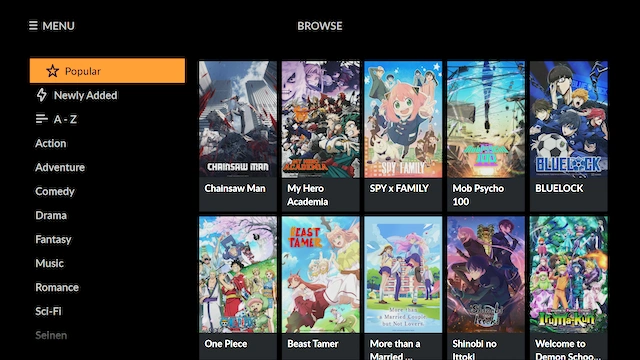
Crunchyroll is an anime-first streaming platform built around three core promises:
- A deep anime catalog that isn’t treated like a “category” inside a general entertainment app.
- Seasonal releases that keep the experience current, not just nostalgic.
- Anime-native features (language options, episode organization, watchlists, discovery rails that prioritize anime habits).
What matters most is that Crunchyroll is structured like an anime destination, not a general streamer that happens to have some anime. That changes everything about the experience: browsing, recommendations, show pages, episode rollouts, and the way the app treats subbed vs dubbed options.
A practical way to define Crunchyroll is this:
- If a viewer wants anime as a primary hobby, Crunchyroll is usually the first service evaluated.
- If a viewer wants a handful of anime titles inside a broader entertainment bundle, Crunchyroll becomes optional, and the decision depends on which titles matter.
Another important reality: anime licensing changes by country. The Crunchyroll library is large, but it is not identical everywhere. Availability can vary by region, and that can affect whether the service feels “complete” or “missing the one show everyone is talking about.”
Features
Crunchyroll wins through repeatable, everyday features that matter after the first week.
Fast discovery that’s built for anime habits
Anime fans don’t browse like movie fans. They bounce between:
- genres (shōnen, romance, isekai, horror)
- moods (“something light,” “something intense,” “something short”)
- seasons (“what’s airing right now?”)
- studios or creators (“anything like this style?”)
Crunchyroll typically supports this behavior with category browsing that feels anime-native rather than generic. The goal is simple: reduce time spent searching and increase time spent watching.
Subbed and dubbed options, organized in a usable way
Sub vs dub is not a minor preference. It can decide whether a household can watch together, whether someone can watch while multitasking, and whether a viewer even starts a series.
A strong Crunchyroll experience usually includes:
- multiple audio options when licensed
- subtitle options tied to language availability
- clear episode grouping so viewers don’t accidentally start the wrong version
The practical point: the best platform isn’t the one that “has dubs.” It’s the one that makes dubs easy to find and consistent to watch.
Seasonal releases and “keep up” viewing
A lot of anime fans watch in two modes:
- Binge mode for older series
- Weekly mode for currently airing shows
Crunchyroll is built for weekly mode. That matters because it creates habit viewing. It turns the service into something a fan opens several times a week, not once a month.
Watchlist and continuity across devices
Anime is often watched across multiple devices:
- TV at home
- phone in bed
- laptop during travel
- tablet when someone wants a bigger screen but not the main TV
A good anime service has to keep progress tracking reliable. Few things ruin a session faster than “Why is it saying episode 3 when the viewer is on episode 9?”
Offline downloads (plan-dependent)
Offline viewing is one of those features that sounds optional until it becomes essential:
- commuting
- load-shedding or unstable internet
- travel
- saving mobile data
When downloads are included, Crunchyroll becomes far more useful for people who watch anime outside perfect Wi-Fi.
Profiles and household usability (where supported)
Anime households are real: siblings, couples, roommates. Profiles matter because recommendations get messy fast when multiple people share a single watch history.
Even without deep personalization, separate profiles help keep watchlists and continue-watching lanes clean.
Add-on ecosystem: games, store, and community (secondary value)
Some users treat Crunchyroll like a complete anime hub, not just streaming. Extra features can include:
- anime news and editorial content
- store merchandising tie-ins
- community engagement
- occasional bundled perks depending on region
These extras don’t replace streaming value, but they can improve retention for fans who want one “anime home base.”
Pricing
Pricing for streaming changes over time, and it can differ by country. The smartest way to evaluate Crunchyroll pricing is to focus on structure, not a single number.
Most viewers are choosing between three practical approaches:
Option 1: Free viewing with ads (where available)
In some markets, Crunchyroll offers a free tier that includes ads and limited access.
Who it’s good for:
- casual viewers testing the service
- students who can’t justify a monthly subscription yet
- viewers who only watch occasionally
Where it often disappoints:
- heavy watchers who hate interruptions
- people who want offline downloads
- viewers who want the newest releases without limits
A realistic way to frame the free tier is: it’s a sampling path, not the best long-term experience for a committed fan.
Option 2: A standard paid plan (the default choice)
This is the plan most subscribers should evaluate first. It typically provides:
- ad-free viewing
- broader access to the catalog
- better seasonal viewing
- improved device experience
Who it’s good for:
- weekly watchers
- fans who bounce between multiple series
- households that want predictable access
This is where Crunchyroll becomes “worth it” for many users, because the service shifts from occasional viewing to a reliable weekly habit.
Option 3: A higher-tier plan (for power users)
Higher-tier plans usually exist to serve people who want:
- offline downloads
- more simultaneous streams
- additional perks (varies by market)
Who it’s good for:
- households watching at the same time
- frequent travelers
- fans who watch daily and treat anime like a main entertainment category
A simple rule helps:
- If the user watches anime most days of the week, the higher tier can make sense.
- If the user watches anime occasionally, the standard plan is usually enough.
How to judge value without obsessing over price
Instead of asking “Is it cheap?” a better question is:
How many hours of anime does the service replace each month?
If a viewer watches:
- 2–4 hours per month, a paid plan can feel unnecessary.
- 10–20+ hours per month, the cost per hour becomes very low, and the convenience starts to dominate the decision.
Common pricing traps to avoid
- Paying for multiple anime services when one would cover most needs
- Keeping a plan active during months when the viewer isn’t watching
- Upgrading for features that rarely get used (like downloads) without a real use case
A practical strategy many fans use is seasonal rotation: subscribe during heavy seasons, pause during quiet months, then return when the next wave lands.
User Base
Crunchyroll serves different viewer types, and the experience changes depending on how a person watches.
The seasonal watcher
This viewer follows what’s airing now, week to week. They like discussion, reactions, and staying current.
Why Crunchyroll fits:
- weekly release culture
- strong discovery of seasonal shows
- easy “continue watching” behavior
The binge-and-rewatch fan
This viewer loves completed series, long arcs, and comfort rewatches.
Why Crunchyroll fits:
- large library depth
- genre browsing that supports deep dives
- rewatch-friendly organization
The dub-first household
This viewer needs dubs for accessibility, multitasking, or shared viewing.
Why Crunchyroll can fit:
- dubbed options are increasingly important on anime platforms
- the key is consistency and clear labeling
The caution:
- dub availability depends on licensing and region, so expectations should be set accordingly.
The anime-curious beginner
This viewer wants guidance, not endless choice. They don’t want to research “watch orders” for an hour.
Why Crunchyroll fits:
- curated rails and genre categories
- easier “start here” exploration compared to general streamers
The multi-service collector
This viewer already uses Netflix, Prime Video, Disney+, or Max and wants anime to be one part of the stack.
For this viewer, Crunchyroll needs to justify itself with:
- breadth of anime catalog
- consistency of seasonal releases
- anime-first discovery experience
Advantages
Crunchyroll has advantages that matter in real usage, not just on paper.
Anime-first identity
This sounds obvious, but it matters. The service isn’t trying to be everything. It’s optimized for anime behavior: finding series fast, tracking episodes, and following seasons.
Seasonal consistency
The service tends to feel “alive” during seasonal cycles. That’s critical because it prevents churn. Many people subscribe to an anime service to keep up with what’s new, not just what’s classic.
Strong variety across genres
The best anime libraries aren’t just large. They’re balanced: action, romance, slice of life, fantasy, comedy, thriller, and niche categories that fans discover over time.
Good value for heavy watchers
For viewers who watch anime frequently, Crunchyroll often becomes one of the better value subscriptions because usage is high. The more it’s opened, the better the value feels.
Practical device flexibility
Anime is watched everywhere. A platform that works reliably across TV, mobile, and web tends to win long-term, especially when it reduces “tech fatigue.”
Disadvantages
No service is perfect, and Crunchyroll has predictable pain points.
Regional availability gaps
The biggest frustration for anime fans is hearing about a show online and discovering it isn’t available in their country.
This is not unique to Crunchyroll, but it can be more noticeable because viewers expect the “anime platform” to have everything.
Dub and subtitle consistency varies by title
Some shows have extensive language support. Others don’t. Some have early sub releases and later dub releases. The experience can feel uneven if a viewer expects a uniform approach across every series.
App quirks happen
Even strong streaming apps sometimes struggle with:
- subtitle settings not behaving consistently across devices
- watch progress occasionally desyncing
- search surfacing the wrong version of a show first
Most of these issues are fixable, but they’re still friction. And friction is the real enemy of weekly anime watching.
Not always the cheapest if a viewer watches only one show
If someone subscribes to watch a single series and then stops, the value can feel weak. In those cases, rotating subscriptions or using alternative platforms for that specific title can make more sense.
Safety
Anime streaming safety is mostly about account hygiene and avoiding shady “free stream” traps.
The safest viewing path
- Official apps and official websites
- Recognized app stores on streaming devices and smart TVs
- Avoiding third-party downloads or “player” installs
What to avoid
- random “watch free” sites that flood pop-ups
- any site asking for suspicious permissions
- unofficial IPTV sellers promising “every channel and every anime” for a low price
These paths are risky because they can expose users to:
- malware
- credential theft
- payment theft
- unstable streams that vanish mid-episode
Simple account hygiene that works
- Use a unique password
- Avoid sharing logins widely
- Log out of old devices
- Keep email access secure (email is the key to password resets)
If Crunchyroll is used on multiple devices, a quick “device audit” every few months can prevent weird login issues and keep the account clean.
Alternatives
A Crunchyroll alternative should be chosen based on what the viewer wants, not based on brand names.
HiDive
Best for:
- viewers who want specific exclusive titles and a smaller curated library
- fans who enjoy discovering less mainstream series
Trade-off:
- smaller catalog compared to Crunchyroll’s broader library footprint
Netflix
Best for:
- viewers who want anime mixed with mainstream series and films
- people who prefer high-budget originals and wider household content
Trade-off:
- anime discovery can feel less focused, and seasonal depth can vary.
Prime Video
Best for:
- households already paying for Prime
- viewers who rent/buy digitally and want occasional anime access
Trade-off:
- anime availability can feel scattered across subscriptions, add-ons, and rentals.
Disney+ (region-dependent)
Best for:
- viewers in regions where Disney+ carries meaningful anime licenses
- households already committed to Disney+ for other reasons
Trade-off:
- availability varies strongly by country.
Max / Hulu (US-focused considerations)
Best for:
- viewers who want anime as part of a broader library bundle
Trade-off:
- anime depth is usually not as purpose-built as Crunchyroll.
Buying seasons/episodes digitally
Best for:
- viewers who only want one specific title and don’t want ongoing subscriptions
- collectors who prefer ownership-like access
Trade-off:
- can be more expensive for long series, and availability varies by storefront and region.
Where Crunchyroll still tends to win: a single-service anime-first experience that supports both seasonal watching and library binging.
Actionable takeaways
These steps help a viewer decide quickly and avoid subscription regret.
- Decide the watching style first.
Weekly seasonal watching? Binging classics? Dub-first? That choice determines everything. - Check the “must-watch” list.
If the top 5 shows a viewer cares about are on Crunchyroll, the decision becomes easy. - Choose the plan based on real behavior.
Upgrading makes sense only if downloads or multiple streams will actually be used. - Test on the primary device immediately.
If the main TV setup is clunky, fix it early or switch platforms. - Re-evaluate monthly.
Anime seasons change. A service that was essential last month might be optional next month.
Hypothetical user stories
These examples show how Crunchyroll fits real viewing patterns.
Story 1: The weekly seasonal fan
A viewer follows three currently airing shows and watches on release night. They also watch one older series between episodes.
What matters most:
- consistent weekly drops
- fast app launches
- smooth continue-watching behavior
Why Crunchyroll fits:
- the platform is built around weekly anime habits and catalog depth.
Story 2: The dub-first household
Two people watch together after work. Subtitles are fine sometimes, but they prefer dubs most nights.
What matters most:
- clear access to dub versions
- stable playback on TV
- consistent episode organization
Why Crunchyroll can fit:
- when dubs are available, it can become a reliable nightly entertainment platform.
Where expectations must be managed:
- not every title will have the same dub availability in every region.
Story 3: The budget-conscious student
They want anime, but they can’t justify paying for multiple services. They also watch on mobile a lot.
What matters most:
- affordable access
- offline viewing (if included in plan)
- a library big enough to avoid boredom
Why Crunchyroll fits:
- as a primary anime service, it can replace “random searching” with a consistent catalog and seasonal pipeline.
Story 4: The multi-service household
They already pay for Netflix and Disney+. Anime is important, but not the only category.
What matters most:
- whether Crunchyroll adds meaningful “extra anime” beyond what’s already included elsewhere
- whether the household will actually open it weekly
Why Crunchyroll fits:
- when anime is more than occasional, the focused experience and seasonal flow often justify adding it.
FAQ
What is Crunchyroll best for?
Crunchyroll is best for viewers who want anime as a primary streaming category, especially those who follow seasonal releases and want a deep catalog to binge between weekly episodes.
Does Crunchyroll have both subbed and dubbed anime?
In many cases, yes. Crunchyroll often offers subbed options widely, with dubbed availability varying by series, language, and region.
Is Crunchyroll available worldwide?
Crunchyroll operates in many countries, but the exact library varies by region due to licensing. A title available in one country may be missing in another.
Can Crunchyroll replace Netflix for anime?
For anime-first viewers, Crunchyroll can replace Netflix as the primary anime destination because of catalog depth and seasonal viewing. For households that want broader entertainment, Netflix may still be kept alongside it.
Does Crunchyroll have offline downloads?
Offline downloads are commonly associated with higher-tier plans on streaming services. Availability depends on plan and region, so it’s best treated as a plan feature rather than a guarantee.
Does Crunchyroll work well on smart TVs?
In most cases, Crunchyroll is designed to work across common streaming devices and smart TV ecosystems. Performance can vary by device age and platform, so testing on the main TV early is recommended.
How many people can watch Crunchyroll at the same time?
Simultaneous streaming limits usually depend on the plan tier. Households that need multiple streams should choose a plan that supports their usage patterns.
Is Crunchyroll good for beginners who don’t know what to watch?
Yes. Crunchyroll is typically easier for beginners than general streamers because browsing and discovery are anime-focused, and the platform surfaces seasonal and genre-based recommendations.
Why do some anime titles disappear or change?
Licensing rights expire, renew, or shift. That’s normal across streaming. It can cause titles to rotate out or change availability by country.
Is Crunchyroll safe to use?
Using the official Crunchyroll app or website is safe in the normal sense of reputable streaming services. The biggest risks come from unofficial “free stream” sites that can expose users to malware and scams.
Is the free tier good enough?
For casual viewing, a free tier can be enough. For committed weekly watching, ads and limitations can become frustrating quickly, making a paid plan the more practical option.
What should a viewer do if a show isn’t available in their country?
The best approach is to check alternative legal platforms available locally. If the title is region-locked elsewhere, it’s usually because a different service holds rights in that country.
Is Crunchyroll worth it if someone watches only one series?
It depends on how long that series runs and how often the viewer watches. If it’s truly one short series and then nothing else, rotating subscriptions or buying the season digitally may be better.
What’s the best alternative to Crunchyroll for exclusives?
The best alternative is the one that carries the specific title a viewer wants. For many anime fans, that means pairing Crunchyroll with one smaller anime-focused service rather than trying to replace it entirely.
How should someone choose between Crunchyroll and HiDive?
If the viewer wants the broadest anime-first catalog and seasonal momentum, Crunchyroll is often the stronger primary service. If the viewer cares about specific HiDive exclusives, HiDive becomes a targeted add-on.
Final verdict
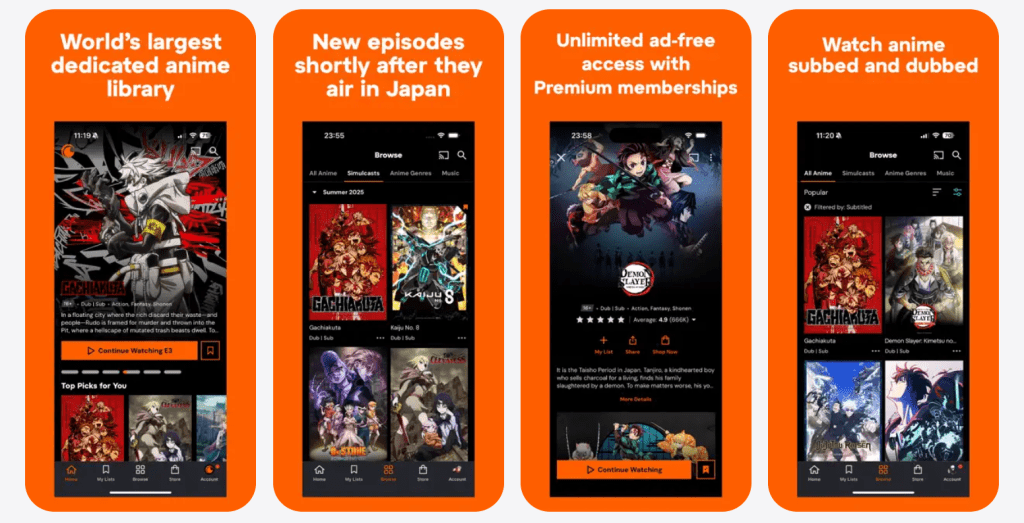
Crunchyroll remains one of the most practical subscriptions for anime fans because it’s designed around how anime is actually watched: week-to-week seasons, deep catalog binging, and quick discovery when someone wants “the next thing.” It isn’t perfect—regional gaps and uneven language availability can frustrate viewers—but for anyone who watches anime regularly, Crunchyroll tends to feel less like “another app” and more like the default home base that keeps the hobby simple.