Docsville is a documentary-focused streaming platform built around a simple idea: make it easier to find documentaries worth watching without sifting through thousands of unrelated titles. Instead of trying to be a “everything for everyone” service, it leans into curation—award-winning films, international stories, and subject matter that tends to be thoughtful, serious, and conversation-starting.
That positioning matters because the viewing habit is different. With big general platforms, most people browse by mood (“something funny,” “something trending,” “something for background”). With a documentary-first platform, people often browse by curiosity (“teach me something,” “show me a side of the world I don’t see,” “give me a real story I’ll remember”).
Docsville fits that second habit. It’s not designed to replace a household’s main entertainment subscription. It’s designed to upgrade the quality of documentary nights—and to make documentary discovery feel like a guided experience rather than a random search mission.
The Content Library: Curation Over Quantity
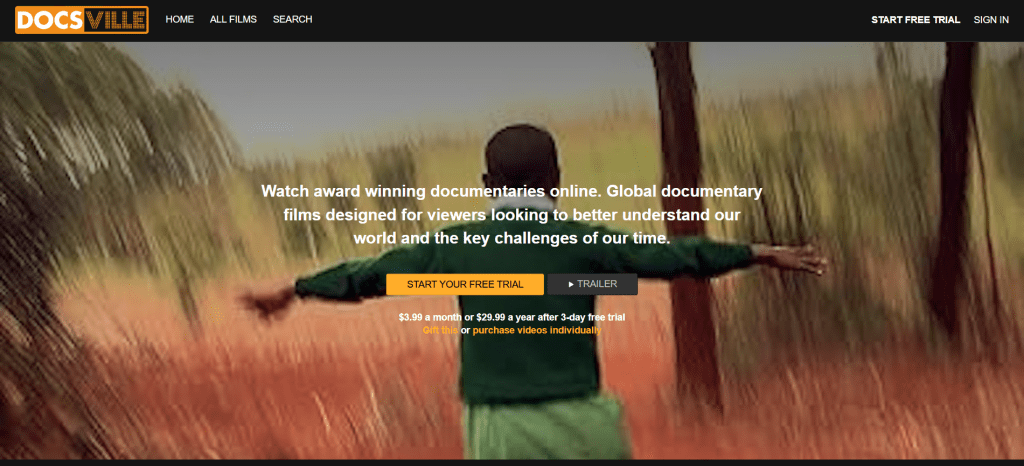
Docsville’s biggest “feature” is the library philosophy. Viewers should expect:
- Documentaries first, always (not docu-drama, not reality, not filler seasons).
- International and festival-style storytelling, where the film is the point—not the franchise.
- A rotation mentality, where what’s available can evolve over time as licensing and programming change.
This is also where expectations need to be set correctly. A documentary platform can be excellent without having every famous documentary ever made. The real test is whether it consistently delivers films that feel worth the time. For the right viewer, that consistency is more valuable than raw volume.
What tends to work well here:
- Standalone films you can finish in one sitting.
- Serious topics that benefit from a focused platform.
- Docs that are less likely to be pushed to the top of mainstream services.
What to watch out for:
- If someone wants a specific “must-find” documentary, a search engine + aggregator-style approach might be quicker.
- If someone wants constant weekly episode drops like mainstream series TV, this may feel calmer and less “hype-driven.”
Discovery and Browsing: How People Actually Find What to Watch
On many platforms, discovery is either algorithm-heavy (endless rails of recommendations) or search-heavy (you type a title and hope it exists). Docsville is closer to a guided library.
A practical way to think about it:
- Mainstream platforms try to predict what will keep someone watching all night.
- A curated documentary platform tries to surface films that feel meaningful, highly rated, or timely.
This reduces the “scroll fatigue” problem. Instead of spending 25 minutes bouncing between menus, viewers usually land on a shortlist faster. That alone can change the experience, especially for people who watch documentaries to relax—but still want the choice to feel intelligent.
Features That Matter (In Real Use)
Documentary viewers tend to value different things than series-bingers. The most important features here usually come down to:
Watchlist and pick-up-where-you-left-off
Docs are often watched in two sessions. A clean “continue watching” experience matters.
Cross-device viewing
A documentary might start on a phone, continue on a TV, and finish on a tablet. Smooth switching makes the service feel modern.
Clear categories and collections
Documentaries are easier to choose when grouped thoughtfully—by theme, region, impact, or relevance.
Optional rent/buy behavior (when available)
Some viewers like subscriptions. Others prefer one-off rentals for a specific film. Having options can make the platform useful even for people who don’t want another monthly bill.
Where It Works Best: The “Documentary Night” Use Case
Docsville tends to shine in homes where documentaries are a deliberate choice, not an accident.
It works especially well for:
- Viewers who prefer real stories over fiction
- People who want international perspectives
- Couples or families who like “watch + discuss” content
- Students and knowledge-driven viewers who enjoy learning through film
- Anyone tired of the mainstream algorithm loop that pushes the same titles repeatedly
It’s also a strong “rotation” subscription. Some households keep a main service for general entertainment, then rotate smaller niche services depending on what they’re in the mood for. A documentary platform is one of the easiest to rotate because documentaries are timeless—you don’t need to be “caught up” on seasons.
Pricing: How to Think About Cost Without Chasing Dates
Pricing can vary by region and device ecosystem, so the cleanest way to evaluate cost is by structure, not exact numbers:
- Monthly plan: good for rotation, testing, or short bursts of viewing
- Annual plan: better value for consistent documentary watchers
- Trial periods: useful for quickly testing whether the catalog matches taste
- Rent/buy options (where available): useful for viewers who want one specific title
The smart move is not asking “Is it cheap?” but asking “How many documentaries will actually be watched this month?”
If the answer is “two or more,” the value often becomes obvious—because documentary time is usually intentional time.
Streaming Quality and Device Support
A niche streaming service can fail if it only works on one device. Docsville’s usability improves a lot when it’s accessible on both mobile and the living room screen.
In practice, viewers should look for:
- TV apps / streaming device support (so it becomes a real “sit down and watch” service)
- Mobile apps for quick discovery and casual viewing
- A stable web experience for laptops/desktops
The “watch anywhere” promise matters more for documentaries than people think, because documentaries often fit into real life—commutes, late-night viewing, weekend mornings, or quiet time when someone doesn’t want a loud series.
Advantages: Why Docsville Can Be Worth Keeping
1) A focused identity
It knows what it is. That clarity improves every part of the experience.
2) Better discovery for documentary lovers
The browsing experience tends to feel calmer and more purposeful.
3) Strong fit for meaningful viewing habits
For viewers who want substance, the platform’s direction makes sense.
4) Great as a secondary subscription
It complements mainstream services instead of competing with them directly.
5) Often a good value per hour watched
Documentaries are usually watched fully. That’s an underrated value factor.
Disadvantages: Where It Can Disappoint the Wrong Viewer
1) Not a replacement for general entertainment
If someone wants comedy, reality, sports, and blockbuster movies in one place, this isn’t that.
2) Not built for franchise-followers
People who track one studio’s universe or specific celebrity filmographies may feel limited.
3) “Specific title hunting” can be hit-or-miss
If someone is trying to find one documentary they heard about, it may not be available at that moment.
4) Doc-only means doc-only
That’s not a flaw—it’s the whole point. But it needs to match the viewer’s taste.
Safety and Privacy: What Viewers Should Consider
For most households, the main safety concerns with streaming are simple:
- Account security: use a strong password, avoid sharing logins widely
- Payment controls: consider device-level purchase restrictions if kids use the TV
- Profiles and viewing history: helpful for keeping recommendations relevant
- Phishing awareness: only sign in through official apps and the official site
Documentary services don’t usually introduce unique safety risks compared to mainstream streaming, but any subscription service benefits from basic account hygiene—especially in shared households.
Alternatives: What to Use If the Fit Isn’t Perfect
Docsville occupies a niche, so alternatives depend on the exact reason someone is considering it.
If the goal is documentaries + mainstream TV:
- Netflix-style general services can offer documentaries, but discovery may feel less focused.
If the goal is learning and factual series:
- Curiosity Stream can be a strong match for educational-first viewing.
If the goal is library/free access:
- Kanopy can be great if a viewer has access through a library or university.
If the goal is art-house curation (not only docs):
- MUBI works for viewers who want curated cinema, sometimes including documentary.
If the goal is free, ad-supported browsing:
- FAST services like Tubi/Pluto-style platforms can work, but the curation style is different.
The clean decision is: if the household specifically wants a documentary-first experience that feels curated, Docsville makes the most sense.
How to Get the Best Experience Fast
A good documentary platform becomes great when it’s used intentionally. A simple setup approach works best:
- Pick 2–3 themes the household genuinely enjoys (history, true crime, social issues, nature, culture, politics, music, etc.).
- Build a short watchlist (not 50 items—10 max).
- Schedule a documentary night once a week.
- Rotate intentionally if the household already has multiple subscriptions.
This turns it from “another app” into a real habit. And habits are what make niche subscriptions worth keeping.
FAQs
1) Is Docsville a general streaming service like Netflix?
No. It’s documentary-focused, built around curated films rather than a broad mix of entertainment categories.
2) Does Docsville have a free trial?
In many cases, yes. Trial availability and length can vary by region and platform.
3) Can viewers watch on a TV?
Often yes, depending on device support and the viewer’s setup (smart TV apps or streaming devices).
4) Is Docsville better monthly or yearly?
Monthly fits rotation users. Yearly fits consistent documentary viewers who want better long-term value.
5) Can viewers rent or buy films instead of subscribing?
Some services offer that option for certain titles. It’s worth checking the platform’s purchase options if a viewer wants one specific film.
6) Is Docsville good for families?
It can be, especially for older kids and teens—documentaries can be educational and discussion-friendly. Parents should still monitor topics and maturity levels.
7) Does Docsville include true crime documentaries?
Many documentary platforms do, but availability depends on the current catalog and licensing. Viewers should browse categories to confirm.
8) Will the catalog change over time?
Yes. Like most streaming services, titles can rotate as rights and distribution windows shift.
9) Is Docsville useful as a second subscription?
Yes. That’s one of its strongest roles—pair it with a general platform for a balanced streaming lineup.
10) Does Docsville work well for “title hunting”?
It can, but it’s not designed as a universal index. It’s strongest as a discovery platform for documentaries.
11) What’s the main reason people cancel?
Usually because they don’t watch documentaries often enough. For occasional viewers, it works best as a rotation service.
12) What’s the main reason people keep it?
Because it consistently delivers documentaries that feel worth the time—without the endless scrolling problem.
13) Is Docsville good for international documentaries?
Yes, that’s often part of its appeal—global stories and perspectives that broaden what viewers see.
14) Can viewers watch on mobile?
Typically yes, through mobile apps or a mobile web experience, depending on platform support.
15) Who should skip Docsville?
Viewers who rarely watch documentaries, want sports, or mainly follow big franchise entertainment will usually get more value from general platforms.
Final Verdict
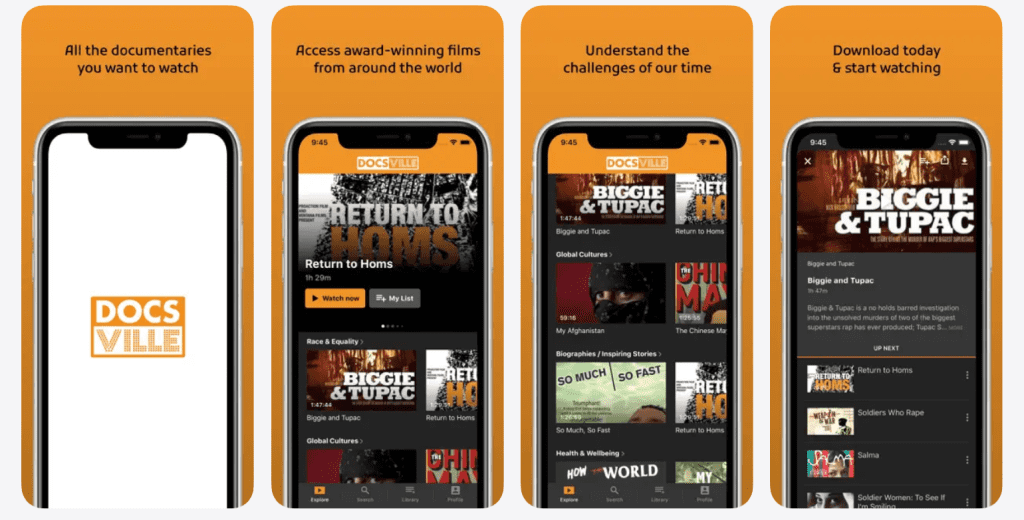
Docsville is best viewed as a curated documentary destination—ideal for viewers who want real stories, global perspectives, and a calmer way to choose what to watch. It won’t replace a household’s main entertainment subscription, and it’s not designed for sports or blockbuster browsing. But for documentary lovers who want quality over clutter, Docsville can easily become the platform that makes documentary nights feel effortless again.