
HBO Max is the streaming service people pick when they want “sit down and focus” entertainment—premium series, big cinematic releases, and a catalog that’s built to feel high-end instead of endless. It’s the opposite of background TV. It’s the app that turns a random Tuesday into “one more episode” at 1am.
The big reason HBO Max stays in conversations is simple: the library often feels curated around quality and cultural impact, not just volume. That doesn’t mean it’s perfect for everyone. Some households want cheap, casual, always-on content. Others want a service that consistently delivers top-tier dramas, prestige comedies, and movie nights that feel like events.
This review breaks down the real-world experience: what HBO Max is best for, how the catalog behaves, which features matter, how plan tiers usually work, and what alternatives make sense when the fit isn’t right.
What HBO Max Is Best For
HBO Max tends to work best for viewers who value quality per hour watched. In other words: fewer “meh” picks, more “that was worth it.”
It’s usually a strong fit for:
- Viewers who love prestige drama, dark comedy, and award-level storytelling
- Households that do weekly movie nights and want a premium catalog feel
- People who follow headline series drops and don’t want spoilers
- Viewers who prefer curated libraries over endless scrolling
- Anyone who wants a strong mix of series and movies without feeling cheap
It can be less ideal for:
- People who mainly want background TV (sitcom loops, random reality, constant noise)
- Viewers who hate paying for a premium feel and would rather rotate cheaper services
- Households that want a single service to cover every niche genre, every day
- Anyone who expects one library to stay identical across all countries
The simplest way to decide: the streaming platform makes sense when viewers want premium viewing, not just something to put on.
Content Library
The HBO Max catalog generally lands in a premium-first lane. It’s built around series people talk about, plus a movie library that supports real movie nights.
A practical way to understand the library is to think in pillars:
- HBO originals and headline series (the prestige core)
- Major movies and recognizable franchises (movie-night fuel)
- A broader catalog mix that supports variety over time
- Rotating availability (because rights and windows shift)
The “HBO effect”
A big part of the value is that HBO-branded originals often feel like appointment viewing. Even when someone isn’t watching daily, the service still feels worth keeping because it becomes the place people return to when they want something that feels premium.
Movies and rotation
Like every major service, movie availability can rotate. The smart approach is simple:
- Treat movies as a bonus layer that changes
- Use the service primarily for series and overall quality
- If one specific movie is the whole reason to subscribe, confirm it in the library first
That mindset keeps expectations realistic and avoids frustration.
Regional differences
Availability and catalog details can vary by region, so the evergreen approach is to guide readers toward how to choose rather than promising specific titles everywhere.
Features That Actually Matter
HBO Max tends to keep the feature set practical: things that improve the day-to-day experience, not gimmicks.
Profiles and household organization
Profiles help households avoid chaos:
- Cleaner recommendations
- Separate watch histories
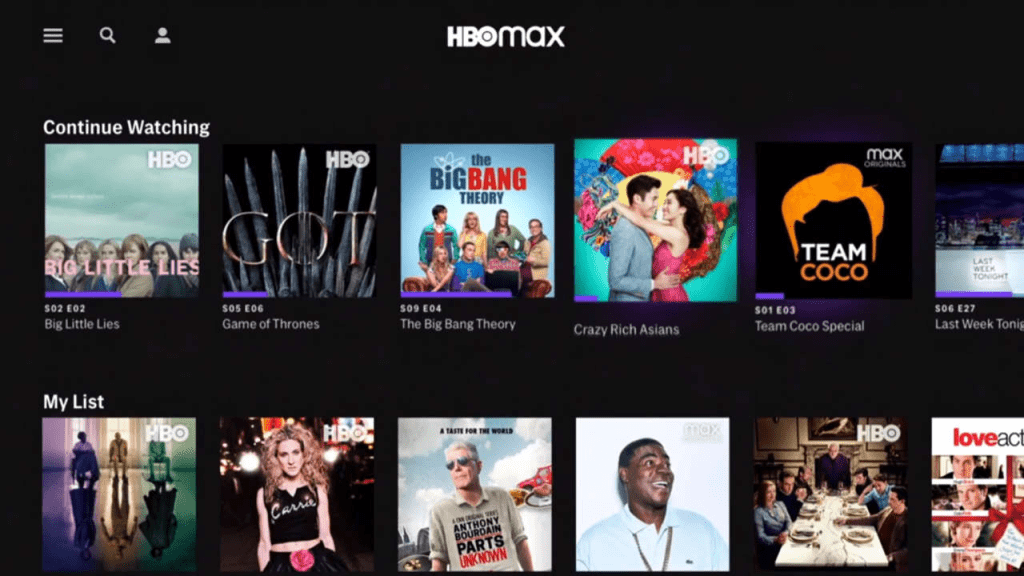
- Less fighting over Continue Watching
For families, profiles are also how kids viewing stays separate from adult viewing.
Kids profiles and parental controls
Kids profiles and parental controls matter in shared households, especially when children use the same living-room TV. The best setup is simple: give kids their own profile, lock down access to mature content, and keep adult profiles protected.
Downloads for offline viewing
Offline downloads are a real value booster for commuters, travelers, and unstable connections. In practice, downloads turn the service from sometimes works into always works, which is what many households actually want.
Search, hubs, and discovery
Discovery on HBO Max usually feels more curated than random. That’s great if viewers want quality. It’s less great if viewers want surprise, chaos, and endless novelty.
Actionable tip: if discovery feels repetitive, use categories and collections instead of relying only on the homepage carousel.
Pricing Approach and Plan Tiers
Exact pricing changes by region and over time, so the evergreen way to explain pricing is to focus on the plan structure.
HBO Max commonly offers multiple tiers, and tier differences typically come down to:
- Whether ads appear
- Streaming quality (HD vs higher quality)
- Number of simultaneous streams
- Offline download access and limits
A practical “choose the right plan” method
This avoids regret:
- If the household watches mostly movies and prestige dramas, ads usually feel more annoying.
- If the service is used most days, paying for a smoother plan often feels worth it.
- If it’s a rotation service (subscribe for one big show, then pause), a cheaper tier may be smarter.
- If the household shares one TV, fewer interruptions usually means fewer complaints.
HBO Max feels premium when the plan matches the household’s viewing habits.
User Base and Who Keeps It Long-Term
HBO Max usually keeps long-term subscribers in a few clear groups:
- Prestige-series people who always want the next big drama
- Couples and households that do regular movie nights
- Viewers who value quality over quantity
- Rotation strategists who subscribe for major releases, pause, then return
That last group is important: HBO Max can be a perfect rotation anchor. It doesn’t have to be the only service. It just has to be the one households return to when they want premium viewing.
Advantages
Here’s where HBO Max usually wins:
- Premium catalog identity
It often feels more curated and worth watching than random-scroll platforms. - Strong headline series value
The service frequently becomes the center of conversation when big seasons drop. - Great for intentional viewing
Perfect for people who watch with focus, not just background noise. - Movie-night credibility
It tends to support nights where the household wants something that feels like a proper pick. - Family setup is possible
With kids profiles and parental controls, households can create safer viewing structures.
Disadvantages
HBO Max also has real limitations:
- Not built for always-on background watching
If someone wants endless casual TV, other services may feel easier. - Premium feel often comes with premium pricing
Value is high for heavy users, but light users may prefer rotating. - Catalog and availability differences by region
What’s available and how it’s packaged can vary across countries. - Some viewers want more variety
If someone prefers lots of niche genres and constant novelty, the catalog may feel too curated.
None of these are dealbreakers. They just define who the service is for.
Safety and Account Security
HBO Max is a mainstream platform, so most security issues come from user habits, not the service itself.
Common risks:
- Reused passwords
- Shared logins across too many people
- Clicking fake billing emails/messages
- Unsecured email accounts (password resets go through email)
Practical safety checklist:
- Use a strong, unique password
- Secure the email tied to the account
- Don’t click billing links—log in directly in the app/site
- Use profiles so kids don’t browse adult libraries
- Review devices occasionally if the account is widely shared
If a household sets up profiles properly and keeps login habits clean, problems are rare.
Comparisons That Help Viewers Decide
Most people pick HBO Max based on what they already subscribe to.
HBO Max vs Netflix
Netflix often wins on sheer variety and binge discovery. HBO Max often wins when viewers want prestige series and a more curated feel. The question is whether the household wants endless options or premium picks.
HBO Max vs Prime Video
Prime Video can feel like a hub that mixes included titles with rentals, while HBO Max often feels more like a premium destination library. Viewers who hate store-like browsing often prefer the HBO Max experience.
HBO Max vs Disney Plus
Disney Plus is franchise-and-family comfort with huge rewatch value. HBO Max is more prestige-and-premium focused. Many households keep Disney Plus as the family base and rotate HBO Max for premium series seasons.
HBO Max vs Peacock / Paramount Plus
Peacock and Paramount Plus can be great for comfort TV and brand-specific libraries. HBO Max is usually the pick when viewers want a more prestige-forward catalog and premium series identity.
Alternatives to HBO Max
If the platform isn’t the right fit, these alternatives often make more sense depending on viewing style:
- Netflix: broad variety and constant discovery
- Prime Video: flexible hub approach
- Disney Plus: family and franchise rewatch value
- Peacock: comfort TV and a TV-style vibe (where available)
- Paramount Plus: brand/franchise home-base viewing
- Free ad-supported services: good for budget-first viewers who tolerate ads
A smart setup is often a small lineup where each service has a job.
FAQs
- Is HBO Max worth it as a main streaming service?
Yes for viewers who prioritize premium series and movie nights. For casual watchers, it may work better as a rotation service. - Is it better as a rotation subscription?
For many people, absolutely. Subscribe for a major season or release, then pause when viewing slows down. - Does HBO Max have ads?
In many markets, there are multiple plan tiers including an ad-supported option. Plan details depend on region. - Is HBO Max good for families?
It can be, especially when kids profiles and parental controls are set up properly. - What kind of viewer enjoys HBO Max most?
Someone who likes prestige dramas, premium comedies, and intentional viewing. - Does HBO Max work well on smart TVs?
Generally yes, but performance still depends on device age, app updates, and connection stability. - Can HBO Max replace Netflix?
Sometimes, but usually it complements Netflix rather than replacing it. - Is HBO Max good for binge-watching?
Very. Many of its best-known series are built for just one more viewing habits. - Does HBO Max have offline downloads?
Often yes on higher tiers and supported devices, but download access depends on plan and region. - Why does the catalog differ by country?
Streaming rights vary by region, so availability and packaging can change across countries. - What’s the biggest downside of HBO Max?
For some viewers, it’s not the best background-TV service. It’s built for premium, intentional viewing. - Is HBO Max a good budget service?
It can be if the household watches frequently or chooses a plan that matches usage. Light users may prefer rotating. - How can viewers get more value from HBO Max quickly?
Create profiles, build a short watchlist, and decide whether it’s a core service or a rotation service. - Is HBO Max safe to use?
Yes, but security depends on strong passwords and avoiding phishing attempts, like any paid subscription. - Who should skip it?
Viewers who mainly want casual background TV and endless variety may be happier with a different primary service.
Final Verdict
HBO Max is a strong choice for viewers who want premium series, movie-night credibility, and a catalog that feels curated around quality rather than random volume. It shines when the household watches intentionally—prestige drama, standout comedies, and big event releases—and it becomes even easier to justify when it’s used either as a core premium service or as a rotation subscription that returns every time a major season drops.
For households building a balanced streaming lineup, HBO Max often earns its spot as the premium pick service—the one that makes streaming feel like a proper night in.