

Vudu is a practical streaming option for viewers who don’t want to stack more subscriptions but still want a fast, legit way to watch movies on demand. It works like a digital movie store with a bonus: a free, ad-supported section for nights when the goal is “just play something decent” without paying.
This platform sits in a different lane from the big subscription giants. Instead of “pay monthly and browse whatever’s included,” it’s about choice per title. Rent a new release for the weekend, buy a favorite to keep in the library, or stream free titles with ads when a household wants low-commitment entertainment.
For ForeverWatch, that’s useful because it fills a common gap: when a movie isn’t included in someone’s main subscription, viewers still need a trustworthy place to watch it.
What Vudu Actually Is
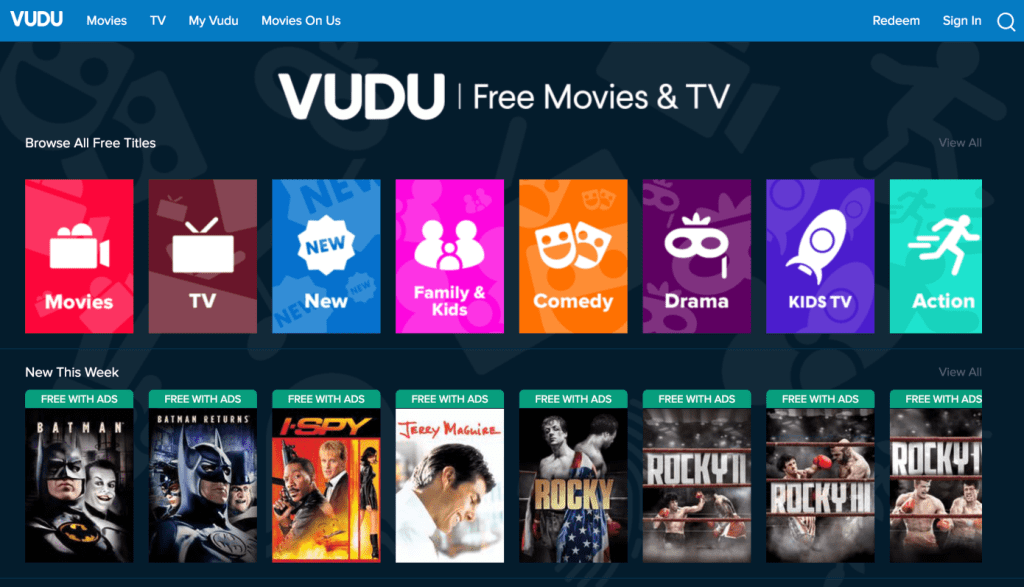
Most people understand subscription streaming. This is a different model.
Vudu is best described as:
- A rent-and-buy movie platform (new releases, catalog titles, bundles)
- A free-with-ads streaming section (rotating titles that don’t require payment)
- A personal library concept (purchases stay tied to the account)
It’s not meant to replace Netflix-style “endless included library” viewing. It’s meant to solve a more specific problem: “I want this movie tonight. Where can I watch it legally?”
Recent Changes and Why People Still Search It
A big reason viewers still search this platform is brand confusion. Over time, the service has been tied closely to broader Fandango branding in many user experiences, and some viewers see the storefront presented differently depending on device, region, or app version.
That’s why some people say it “shut down.” In reality, what often happens is:
- The name users see changes (so it feels like the old brand vanished)
- A device stops supporting the app (older hardware gets phased out)
- The service has region limits, so availability varies
ForeverWatch can treat it the same way people treat legacy platforms: review it honestly, explain what it’s for, and clarify what viewers might see when searching for it.
Key Features That Matter
Here’s what actually makes this platform useful in real households:
Rent on demand
Perfect for movie nights when the title isn’t included anywhere else. The rent flow is usually the fastest way to go from “searching” to “watching.”
Buy and build a library
Some households prefer owning favorites rather than hoping a title stays on subscriptions forever. Purchases can create a small personal catalog that’s always ready.
Free streaming section (with ads)
This is a big deal for value-seekers. Even if someone never rents or buys, they can still watch a rotating selection without paying.
Bundles and deals
Bundles matter for franchises and families. When a platform offers multi-title packs, it’s often cheaper than buying one by one.
Simple discovery and playback
People don’t want complex. They want quick browsing, clear labels (rent/buy/free), and reliable playback on the TV.
Pricing Approach (Clear, Without Dates)
This is where expectations must be set properly. There typically isn’t one “monthly subscription price” that unlocks everything. Instead, costs come from:
- Rentals (pay for temporary access)
- Purchases (buy a title and keep it in the library)
- Free-with-ads streaming (no payment, but ads appear)
This model is great for households that watch movies occasionally and don’t want another recurring bill. The tradeoff is that frequent renting can add up if someone treats it like daily entertainment.
A useful rule:
If a household rents multiple times per week, one extra subscription might become cheaper long-term. If a household rents only when a must-watch title appears, the rent/buy model stays cost-efficient.
Library Quality and What to Expect
This platform tends to feel strongest for:
- Mainstream movies people recognize
- Recent digital releases (especially as rentals)
- Popular genres (action, comedy, thriller, family)
- A rotating free section that’s easy to dip into
What viewers shouldn’t expect:
- A massive “everything included” subscription library
- A sports-first destination
- A niche curator vibe (arthouse-focused services do that better)
This is a utility player. It’s the backup plan that becomes the main plan when a specific movie can’t be found inside normal subscriptions.
User Experience: How It Feels Day to Day
The experience typically feels “store-like” in the best way: clear labels, quick choices, and minimal friction.
A common household flow looks like this:
- Viewer searches a title
- The platform shows whether it’s rent, buy, or free-with-ads
- Viewer plays immediately (or adds to a watchlist)
That simplicity is the whole point. People don’t always want to compare ten subscriptions. Sometimes they just want a clean path to watch one movie.
Who’s Vudu Best For
This platform fits best for these viewer types:
The “movie night” household
When people watch films more than series, renting and buying makes more sense than maintaining several subscriptions.
The subscription-minimal viewer
Viewers who hate recurring payments can use the free section most of the time, then rent only when it’s worth it.
The collector mindset
Some people love owning favorites digitally. Buying a handful of rewatchable movies can be more satisfying than chasing whatever is currently included.
The “I can’t find it anywhere” viewer
When a title isn’t on the usual apps, this model often solves the problem quickly.
Advantages
- Flexible model: rent, buy, or watch free-with-ads
- Great for specific titles and newer rentals
- Useful free section for casual browsing
- Simple, direct experience (less fuss)
- Makes a strong “gap filler” in a multi-service streaming setup
Disadvantages
- Can’t be judged like a pure subscription library
- Renting frequently can become expensive over time
- Ads in the free section may annoy some viewers
- Some users get confused by branding, app availability, or regional limits
- Not designed to be a sports-first or series-first destination
Safety and Account Tips
Most risk here isn’t piracy or malware—this is a legitimate service model. The real problems tend to be accidental spending and shared-household chaos.
Best practices:
- Use a strong password and keep account recovery updated
- In shared households, enable purchase controls if available
- Teach kids the difference between “free” and “rent/buy” screens
- Don’t keep payment methods wide open on a shared TV profile
- Keep profiles organized so watchlists don’t become messy
A lot of frustration is preventable with one habit: lock down purchases on the living-room device.
Alternatives to Vudu Worth Considering
The best alternative depends on the goal:
- Want free movies with ads: Tubi, Pluto TV
- Want big subscription libraries: Netflix, Disney Plus, Max-style services
- Want rent/buy inside a bigger ecosystem: Apple TV-style storefronts, Prime-style storefronts
- Want curated cinema: MUBI-style services
This platform remains useful when the goal is flexibility—especially for one-off titles.
FAQs on Vudu
- Is Vudu a subscription streaming service?
No. It mainly focuses on renting and buying titles, plus a free-with-ads section. - Can viewers watch without paying?
Yes. The free section allows streaming without payment, but it includes ads. - Why do people say it “shut down”?
Because branding, device support, and regional availability can change, which creates confusion. - Is renting cheaper than subscribing?
It depends on habits. Occasional renters usually save money. Heavy renters may spend more than a subscription. - Do purchases stay forever?
They typically remain tied to the account library, but availability can depend on licensing and platform terms over time. - Is it good for families?
Yes, especially if purchase restrictions are enabled and profiles are kept organized. - Can kids accidentally rent movies?
They can if controls aren’t enabled. Purchase locks are strongly recommended for shared TVs. - Is the free catalog the same as the paid catalog?
No. The free titles rotate, and premium new releases are usually rent/buy. - Is it legal and legitimate?
Yes. It’s a mainstream model: ads, rentals, and purchases—no shady streaming. - What’s the best reason to use it?
It solves the “where can I watch this movie tonight?” problem quickly. - Does it work well as a backup option?
Yes. Many households rely on it when subscriptions don’t include the title they want. - Who should skip it?
People who only want one monthly subscription for everything and never rent or buy titles may not use it often.
Final Verdict: Vudu
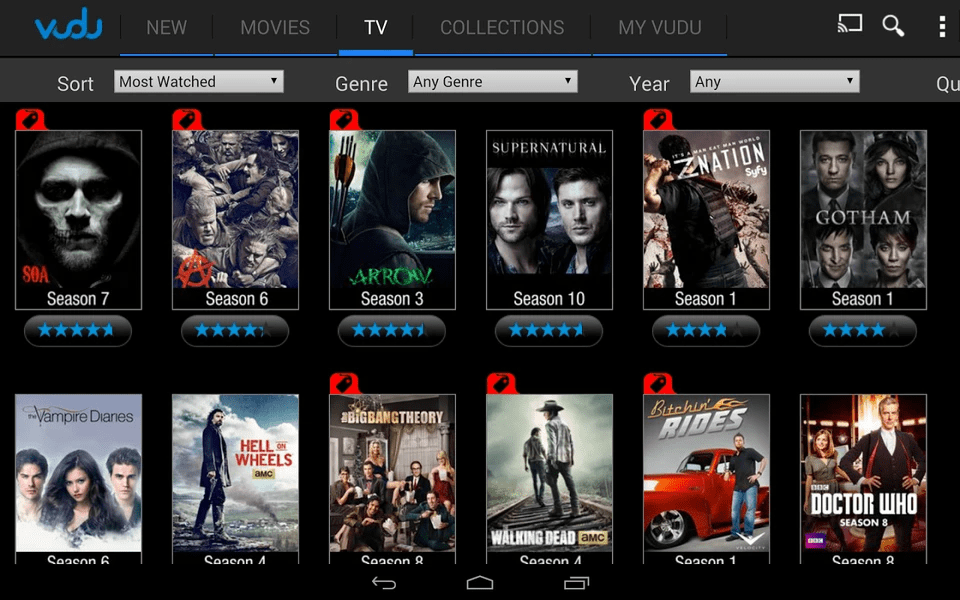
Vudu works best when it’s treated as a flexible movie platform rather than a monthly subscription replacement. It’s ideal for rentals, building a small owned library, and using the free-with-ads section when a household wants something easy without paying. For ForeverWatch, Vudu is worth reviewing because it remains a useful answer when viewers can’t find a title inside their main streaming subscriptions.