MLB.TV is the closest thing baseball has to an “all-season pass,” because it can put a full 162-game grind into one app—live, replay, condensed, and on almost any screen—until blackout rules and national exclusives decide which games can’t be watched live in a viewer’s location. That is the entire MLB.TV story in one sentence: huge access, real limits, and a lot of value if the setup matches the viewer’s reality.
This review breaks MLB.TV down like a fan would: what it includes, how blackouts actually work, what features matter on a nightly schedule, what pricing usually looks like and how to time it, who it’s best for, where it frustrates, how to avoid scams, and what to pair with it so the season feels complete instead of patched together.
Overview
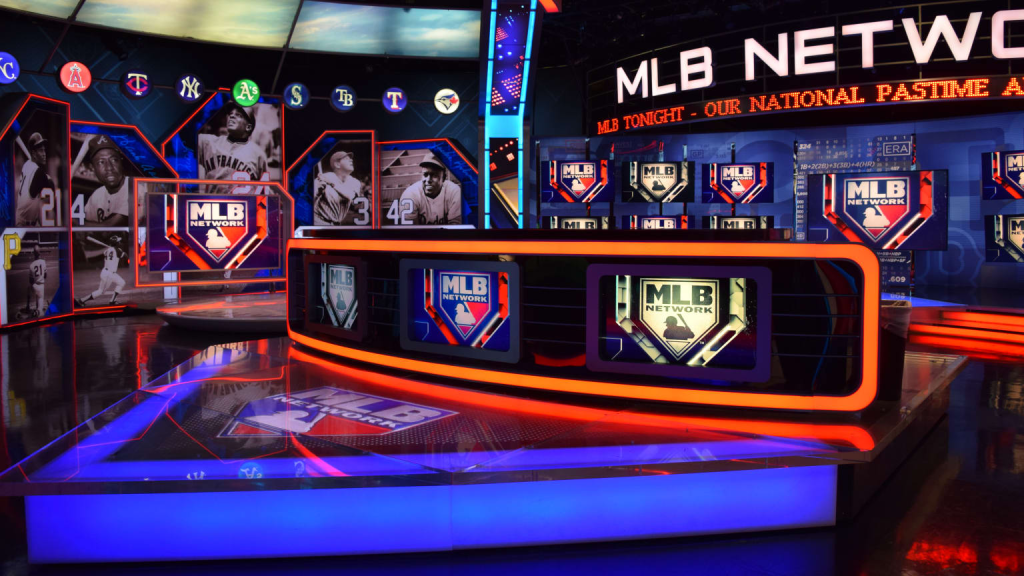
MLB.TV is Major League Baseball’s official streaming subscription for watching out-of-market regular-season games live and on demand. The absolute most important phrase here is “out-of-market.” For viewers residing in the United States and Canada, this service is explicitly built to deliver games that are not already controlled by your local team’s regional territory rights or massive national exclusivity contracts.
At a high level, the service typically delivers:
- Live streams of regular-season games (strictly subject to out-of-market availability rules).
- Full-game replays available shortly after the final out.
- Condensed games and daily recaps.
- Multiple broadcast audio feeds, allowing you to choose between the home and away booths.
- Massive multi-device viewing through the highly polished MLB app.
- A broader library of historical video content, classic games, and sports documentaries inside the ecosystem.
It is absolutely vital to understand what the platform does not represent. It is not a guaranteed loophole to watch every single game live, no matter where you live. It is incredibly weak as a replacement for postseason broadcasts, as the playoffs and World Series are almost entirely locked behind national broadcast partners. Furthermore, it does not bypass third-party streaming exclusives (like games sold exclusively to Apple TV or Roku).
The smartest way to view this platform is as the ultimate base layer for a baseball fan. For out-of-market fans, it is everything. For in-market fans, it is a secondary tool to track the rest of the league, while local games require a different solution entirely.
Features
This is not just a live video feed. It is a massive set of tools specifically designed to survive baseball’s exhausting daily schedule. The best features here are the ones that actively reduce friction when the season is moving fast.
Live out-of-market games
This is the undeniable core. For fans who passionately follow a team located completely outside their local broadcast territory, this feature turns a stressful scavenger hunt into a seamless daily routine. It offers quick access to the exact game, the ability to jump rapidly between different stadiums, and highly stable playback across a full three-hour window.
Full-game replays
Baseball happens daily; real life does not. Full replays are exactly what keep this subscription incredibly valuable even on days when you completely miss the first pitch. This matters deeply for international viewers fighting brutal time zones, fans who work night shifts, and people who simply want to re-watch extra-inning chaos at their own pace without spoilers.
Condensed games and quick recaps
Baseball is a beautiful sport, but it is undeniably long. Condensed games completely change the viewing math. Instead of dedicating an entire evening to one full game, a fan can watch three condensed games in the same timeframe. Instead of consuming the sport purely through context-free social media clips, a fan gets to watch the actual flow of the game without the agonizing dead time between pitches.
Home and away broadcasts
Baseball television broadcasts are a distinct local culture, and booth chemistry matters heavily. The platform lets viewers freely choose between the home and away broadcasts for almost every game. This allows loyalists to hear the story exactly the way local fans experience it, while also offering Spanish-language radio feeds for accessibility.
Multi-view and multi-game watching
Because baseball is a slow-burn sport, it is perfect for multi-game viewing. You can track your main team while keeping a smaller window open for a tight late-inning pitching change happening across the country. While multi-view support varies heavily by your specific streaming device, it makes massive Friday night slates feel incredibly alive.
Audio options and radio broadcasts
Baseball remains the one major sport where an audio-only broadcast still feels like a complete, romantic experience. The app ecosystem includes live home and away radio feeds, making it the perfect companion for long commutes, gym sessions, or people who simply want the game playing quietly in the background while they work.
Device support that actually matters
Because baseball requires incredibly long viewing sessions, the service lives or dies on the living-room television. The app is robust, offering native support across all major smart TVs, gaming consoles, and streaming sticks. Consistent playback on a massive screen without constant re-buffering is a huge advantage over highly illegal, web-based streams.
Pricing
Pricing shifts frequently based on the season, varies heavily by country, and often drops drastically during mid-summer promotions. Rather than locking the decision to a single sticker price, the smartest approach is to understand exactly how the tiers are structured.
The service typically offers an All Teams package (granting access to every single out-of-market game) and a much cheaper Single Team package (locking you strictly to one roster’s out-of-market schedule). Monthly billing options are available, alongside massive mid-season promotional price drops designed to catch fans right before the playoff race heats up.
The “baseball nights” value test
The fastest way to judge its true value is to calculate exactly how many nights you will realistically open the app. If you only watch two nights a month, the value is terrible. If you open the app 15 nights a month, it instantly becomes one of the absolute best cost-per-hour subscriptions in the entire streaming landscape.
Practical pricing traps to avoid
- Paying for all teams unnecessarily: If you literally only care about tracking one single club, the Single Team package is a much smarter spend.
- Ignoring the blackout map: Many viewers blindly subscribe thinking their local hometown team will be available. If you live inside a team’s home territory, their live games will be brutally blacked out on this app.
- Expecting national games: Huge national broadcasts (like Sunday Night Baseball) are completely exclusive to other major networks and will not be available live here.
- Buying early if you only care about the pennant race: If you rarely watch April baseball, waiting for the massive mid-season discount drops in July is a far better financial strategy.
For many fans, the modern reality requires a strategic stack: this app for out-of-market games, paired with a local cable login for in-market games, and a national subscription for the playoffs.
User Base
This service is absolutely perfect for some fans and utterly infuriating for others. The difference always comes down to geographic location and viewing habits.
The out-of-market superfan
This is the exact viewer the platform was designed to serve: a passionate Yankees fan living in Arizona, or a Dodgers fan living in Texas. Because almost all of their favorite team’s games are geographically out-of-market, the season becomes highly accessible night after night.
The international viewer
International fans are often the happiest subscribers. Because local American blackout rules do not apply overseas, this app acts as the most consistent, unrestricted official way to watch the sport. For global audiences, it feels much closer to a true “everything in one place” product.
The fantasy baseball grinder
Fantasy managers care deeply about massive volume: tracking lineup changes, monitoring bullpen usage, and spotting trends across multiple teams simultaneously. The multi-game tools and rapid condensed games make tracking the entire league incredibly realistic.
The in-market fan (The caution user)
This is where expectations violently break. If a viewer lives within the home television territory of their favorite team, their live games will be completely blacked out. For this specific user, the app is only useful for late-night replays or scouting rival teams, making it a very poor primary investment.
Advantages
This service possesses massive strengths that make it one of the most useful league products in the world—provided your expectations actually match reality.
- Turns baseball into a daily habit: Instead of relying entirely on whatever random game happens to be airing on national television, you get to dictate exactly what matters to you every single night.
- Solves the time zone problem: Replays and condensed formats perfectly solve busy work schedules, allowing you to catch up the next morning without having the final score spoiled.
- Deep product design: It is not a shallow highlight app; it is meticulously built to support long-form watching, daily tracking, and following complex storylines across a grueling six-month calendar.
- Incredible value for heavy users: For a fan who watches baseball almost every night of the week, the sheer volume of available live hours absolutely dominates traditional entertainment streamers.
Disadvantages
The downsides are not subtle software bugs; they are massive, unbending structural rights issues.
- Blackouts are brutal: This remains the number one complaint. If you are geographically inside a team’s home territory, that team is blocked live, even if they are playing a road game three time zones away.
- Platform exclusives cause massive gaps: When the league sells a specific Friday night showcase exclusively to a massive tech company, that game completely vanishes from this app’s live feed, frustrating fans who thought they already paid for access.
- Postseason is excluded: This is strictly a regular-season product at its core. Fans who subscribe in late September expecting to seamlessly stream the World Series are always highly disappointed when the feed requires a completely different national television provider login.
- The “too many services” fatigue: A truly hardcore fan may still need this app, a local regional sports network package, and a massive live television bundle just to guarantee they never miss a single pitch.
Safety
Baseball streams attract massive amounts of scams, especially around Opening Day, intense rivalry series, and the postseason. Scammers heavily rely on urgency: the first pitch is near, fans panic, and the trap works perfectly.
The safe way to watch
You must strictly subscribe directly through official league channels or recognized platform app stores. Only use the verified application downloaded directly to your smart television or mobile device.
What to actively avoid
Aggressively avoid search results promising “watch baseball free” that are loaded with flashing pop-ups. Any page that violently insists you download a “special video player” or install a browser extension to “unlock HD” is extremely dangerous. These are highly common routes to brutal malware infections, stolen passwords, and highly unstable streams that deliberately die in the middle of a crucial ninth inning.
Good account hygiene drastically prevents game-night disasters. Use a highly unique password, secure the email tied to your subscription, and always keep a backup device (like a phone or tablet) ready just in case your primary living-room device misbehaves.
Alternatives
This platform is undeniably excellent in its specific lane. When it is not the best fit, the right alternative depends entirely on what you are missing: local games, exclusive national showcases, or other major sports.
Local direct-to-consumer packages
For frustrated in-market fans blocked by the blackout map, directly purchasing a local regional sports network streaming package (where officially offered) is the cleanest, most legal solution to watch your home team without a traditional cable box.
Live TV streaming services
If you primarily want to watch live TV and desperately need local regional sports networks alongside major national playoff broadcasts, massive bundles like YouTube TV or Hulu are far superior, though they carry a significantly higher monthly cost.
Other sports ecosystems
If your athletic interests heavily drift toward massive weekend college football slates or international soccer tournaments, securing an ESPN+ live sports subscription or heavily utilizing a Fox Sports live stream application will serve your overall weekend viewing habits much better than a baseball-exclusive out-of-market app.
Free official highlights
Free, legal viewing absolutely exists, but it is highly limited. For incredibly casual fans who simply want to see the best defensive plays of the night or brief daily recaps, the free tier of the official mobile app provides excellent, bite-sized coverage at zero cost.
FAQ
What is MLB.TV best for?
MLB.TV is best for watching out-of-market MLB regular-season games live and on demand, especially for fans who follow a team outside their local territory.
Does MLB.TV include every MLB game live?
MLB.TV aims to include out-of-market regular-season games, but live availability can be restricted by local blackout rules and certain exclusive national or platform-specific games.
What does “out-of-market” actually mean?
Out-of-market means the game is not part of the viewer’s local team territory rights. If a viewer lives inside a team’s home broadcast territory, that team’s live games may be blacked out on MLB.TV.
Why are local games blacked out on MLB.TV?
Blackouts exist to protect local broadcast rights agreements. Even if a viewer does not have the local sports channel, the territory rule can still apply.
Can MLB.TV be used to watch an in-market favorite team?
Usually not live, if the viewer is inside the team’s home territory. A local team direct-to-consumer package (where offered) or a local TV provider option is often needed for live in-market games.
Does MLB.TV include the playoffs and World Series?
MLB.TV is primarily a regular-season product. Postseason live games are generally carried by national broadcast partners and may require different services.
Can MLB.TV be watched internationally?
Yes, MLB.TV is widely used by international fans. Availability and blackout behavior can differ by country, but many international viewers use MLB.TV as their main MLB viewing method.
Is there a Single Team plan for MLB.TV?
MLB.TV has offered Single Team packages in many seasons. These plans can be a strong fit for team-first fans who do not need league-wide access.
Does MLB.TV offer home and away broadcasts?
MLB.TV commonly offers home and away broadcast feeds for many games, which lets viewers choose the commentary and production style they prefer.
Does MLB.TV include radio broadcasts?
The MLB app ecosystem supports strong audio options, including team radio broadcasts in many cases, which is valuable for commuters and background listening.
Can MLB.TV run on smart TVs and streaming devices?
Yes, MLB.TV is designed to work across major smart TV platforms and streaming devices, and it can also be accessed through certain partner platform ecosystems in some markets.
Can multiple games be watched at once?
Multi-game viewing tools exist on certain supported devices and app versions. Capability can vary by platform and device model.
What internet speed is needed for MLB.TV?
Stable broadband and reliable Wi-Fi matter more than raw speed. Long live games punish unstable connections, so a strong router and consistent Wi-Fi signal are important.
Is MLB.TV safe?
MLB.TV is safe when purchased through official MLB channels or legitimate platform add-ons and viewed through official apps. The biggest risks come from unofficial “free stream” sites.
What’s the biggest mistake people make with MLB.TV?
The biggest mistake is subscribing expecting MLB.TV to include live in-market games for the local favorite team. MLB.TV is built for out-of-market viewing first.
Final verdict
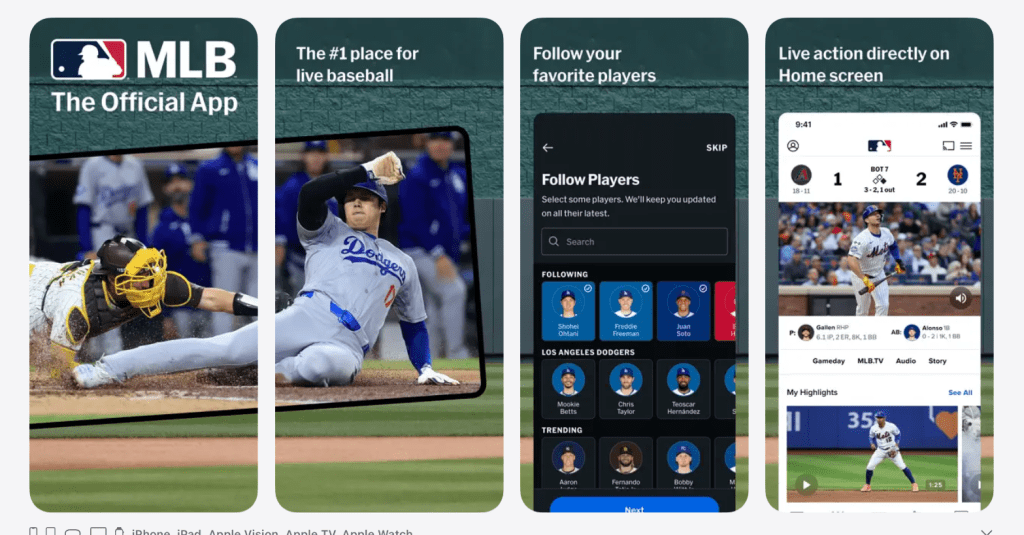
MLB.TV is at its best when it’s treated as a baseball engine, not a magic key. For out-of-market fans, international viewers, league-wide watchers, and anyone who loves the daily rhythm of the season, MLB.TV can be one of the most satisfying sports subscriptions available—live games when allowed, replays when life gets in the way, and enough features to make following 30 teams feel possible. The main risk is expectation mismatch around blackouts and exclusives. When the plan matches the viewer’s location and habits, MLB.TV delivers what baseball fans actually want: more games, fewer missed nights, and a cleaner way to live inside a full MLB season.