VRV launched as a U.S.-only streaming service built specifically for anime and fan-focused content. Today, it no longer operates as an active standalone platform. Modern readers searching for this brand should not look for a live sign-up page. The most useful approach involves understanding what the service offered, why it mattered to the community, and where the content lives now.
Last Updated: March 2026
How This VRV Review Was Evaluated
- Current Status: We checked if the service still functions as an independent platform.
- Historical Value: We analyzed what made it unique for fans of must watch anime.
- Ease of Use: We evaluated its past practical appeal for niche content fans.
- Pricing Structure: We assessed how its old bundle model performed.
- Reliability: We reviewed its platform continuity and final migration process.
- Alternative Value: We determined the best active replacements for modern users.
What Is VRV?
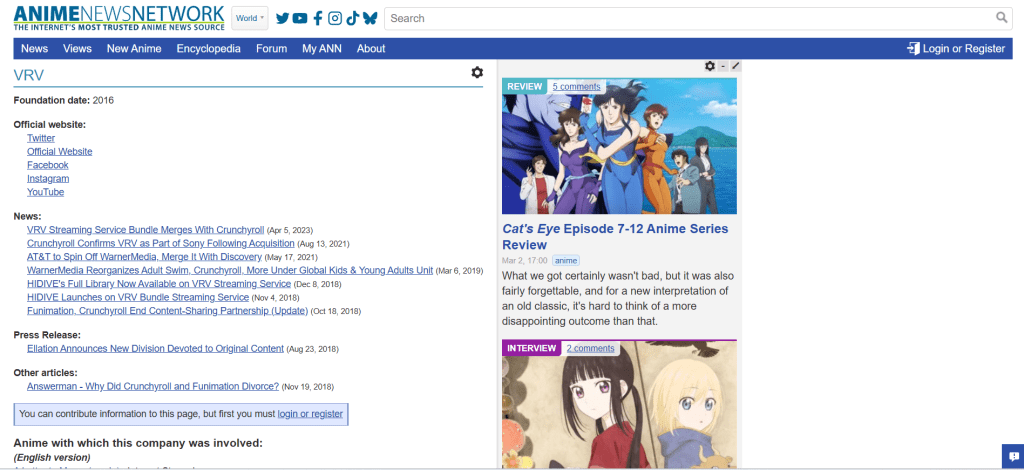
VRV functioned as a niche-focused streaming service. It bundled multiple fandom-friendly channels together under one digital roof. It completely avoided acting like a massive, single-brand catalog. Instead, it operated as a highly curated hub for animation, gaming, and cult comedy.
This specific strategy made it fundamentally different from typical all-in-one platforms. Mainstream giants usually build unified libraries to attract casual viewers. VRV ignored those mainstream trends to focus entirely on the best anime websites and fandom culture.
The service officially launched in November 2016 exclusively in the United States. It became deeply associated with dedicated anime fans because it served as a primary portal for high-quality series. The platform quickly built a reputation as the ultimate home for diverse internet fandoms, from intense shonen epics to the best slice of life anime series.
How VRV Works
When it remained actively online, the platform operated as a channel bundle. Users accessed content from multiple participating services through one centralized application. This prevented fans from jumping between separate, frustrating subscriptions. Some content remained completely free to watch.
Other premium access required a paid monthly membership. Users could subscribe to highly specific channels or purchase a bundled premium option. That unique structure gave the platform a highly distinct digital identity. It served as a massive gateway for anyone searching for the best anime of all time.
The Final Shutdown Phase
In its final phase, the platform stopped operating as an independent entity. Sony eventually merged the entire service directly into Crunchyroll. Official reports confirm that active subscriptions migrated to Crunchyroll in April 2023. The standalone application and website officially ceased operations in May 2023.
Key Features and Standout Tools
The absolute biggest feature the platform offered was smart content aggregation. It brought multiple independent channels together instead of forcing one corporate identity. Users could browse seamlessly across a remarkably broad pop-culture mix.
Fandom Overlap
Another massive standout element was its appeal to extreme fandom overlap. A dedicated viewer who loved the best action anime usually enjoyed adjacent gaming content. They often watched cult comedy or followed niche animation channels. The platform thrived on serving that exact cultural crossover.
This targeted approach explains why it developed such a fiercely loyal following. It rarely reached the mainstream heights of larger streaming brands. However, it dominated its specific lane perfectly. It was the perfect place to discover anime like Naruto or epic adventures similar to anime like Attack on Titan.
Is VRV Reliable or Trustworthy?
The platform operated as a highly legitimate, mainstream digital service. It was never a shady, gray-market app or an unofficial streaming platform. It functioned under major media ownership structures throughout its entire lifespan.
This corporate history proves that the brand possessed genuine legitimacy. The core issue today does not involve trusting the service’s historical safety. The only issue is that the service completely stopped operating independently.
Modern Reliability
For present-day users, this massive shift completely changes the answer. The platform is not reliable as a current standalone streaming option. A reader searching for a fresh subscription should never treat it as an active product. The brand still appears in older discussions, but the servers remain offline.
Pricing, Payments, and Subscription Structure
When the platform operated actively, it offered a highly mixed access model. Viewers could watch a limited selection of content completely free. Meanwhile, paid access unlocked a much broader premium viewing experience.
The service supported a highly flexible billing structure. You could purchase individual channels or grab a massive, discounted bundle. This strategy helped it stand out from services offering only one flat rate.
The Value of the Bundle
That intelligent bundle logic served as a massive selling point. It gave users a highly efficient way to access multiple services. Fans completely avoided stacking too many separate, expensive monthly subscriptions.
For someone utilizing multiple channels, the financial value was incredibly strong. Today, current pricing questions are no longer truly relevant because the service closed. The more important issue involves how those legacy accounts transferred successfully.
User Experience
When it functioned perfectly, the application appealed to a highly specific viewer. It attracted fans seeking niche content, clean curation, and a fandom-centric identity. It completely ignored fans demanding broad, mainstream entertainment.
While mainstream platforms might highlight the best fantasy anime alongside generic reality shows, VRV stayed focused. This made the user experience much more focused than giant streaming services.
The Vulnerability of the Model
However, this extreme focus also made the platform highly vulnerable. Its daily usefulness rose or fell entirely based on current channel partnerships. If a fan’s favorite partner left the bundle, the platform quickly felt empty.
For modern readers, the entire user experience question remains strictly historical. The real-world path now focuses on finding the perfect active replacement.
Pros and Cons
The absolute strongest pro was the original core concept. The service offered a bundle model tailored perfectly to niche fandom interests. For users who desperately wanted the best anime movies of all time alongside adjacent geek content, it worked brilliantly.
Another major positive was the incredible daily convenience. Users easily accessed participating channels from one highly centralized hub. This made the application feel incredibly efficient during its strongest years.
The Structural Drawbacks
The biggest historical con was platform dependence on partner quality. Because the service leaned heavily on participating channels, the bundle lacked permanent stability. It lost massive strength whenever major brand names walked away.
The final and most glaring downside is that the service is completely gone. That simple fact makes it a terrible recommendation for anyone seeking a current subscription.
VRV vs Alternatives
The closest practical successor remains Crunchyroll. Sony officially merged the old service directly into the Crunchyroll ecosystem. Archived reporting confirms that active subscriptions moved over during the final shutdown process.
For users who primarily cared about the animated content, Crunchyroll provides the clearest path. If you want to know where to watch My Hero Academia or track the best anime on CrunchyRoll, it remains the premier destination. It stands as the premier destination for anyone seeking to find top rated anime series.
Exploring Other Niche Options
For viewers desiring a completely different animation-focused specialist, HIDIVE makes excellent sense. It operates as a stronger current alternative than a broad general streamer. It does not recreate the old bundle model perfectly. However, it absolutely appeals to viewers demanding a dedicated animation environment.
Broad Mainstream Alternatives
Households wanting broader entertainment instead of a niche bundle need different options. Services like Netflix or Hulu usually provide a much more natural fit. They completely ignore the old fan-bundle identity.
These platforms feature intense character-driven narratives. They deliver incredible stories that rival the best anime series of all time. They offer a stronger everyday value proposition for viewers demanding extreme variety.
No modern platform truly operates as a perfect one-to-one clone. The absolute best replacement depends entirely on what part of the old service you actually valued. Whether you want anime like Naruto or just the latest simulcast, there is an active home for you.
Comparison Table: VRV vs Other Platforms
| Platform | Best For | Status / Pricing | Key Advantage |
| VRV | Legacy users | Closed platform | Unique bundled fandom identity |
| Crunchyroll | Active fans | Paid subscription | Closest direct successor path |
| HIDIVE | Specialist viewers | Paid subscription | Highly focused specialist environment |
| Anime on Netflix | Mixed households | Multiple paid tiers | Massive general streaming variety |
| Anime on Hulu | General TV viewers | Flexible paid plans | Broad streaming flexibility |
The primary takeaway from this comparison is clear. The legacy brand belongs entirely in the research lane. New fans must choose active best anime websites to start watching their favorite anime characters today.
FAQs: VRV
Is VRV still active?
No. VRV is defunct and no longer operates as a standalone streaming platform.
When did VRV shut down?
Archived references around the shutdown indicate the app and website were no longer in service from May 2023, with the broader merge process announced in April 2023.
What was VRV used for?
It was used as a bundled streaming hub for anime and other fan-focused content such as animation, gaming, and genre-adjacent programming.
Was VRV only for anime?
No. Anime was a major part of its identity, but the service was designed as a broader fandom bundle rather than an anime-only app.
Was VRV available worldwide?
No. It was a U.S.-only service.
Did VRV have a free version?
Some content could be watched free, while other access required paid membership.
Could users buy channels separately on VRV?
Yes, the service supported both individual channel subscriptions and bundled premium access during its active years.
What replaced VRV?
Crunchyroll is the main practical replacement because VRV was merged into it.
Did VRV subscribers move to Crunchyroll?
Archived shutdown references say subscriptions were migrated to Crunchyroll as part of the sunset process.
Is VRV safe to use today?
As a current streaming choice, no—because it no longer functions as a live standalone platform.
Why did people like VRV?
Many liked its niche bundle concept, which grouped anime and adjacent fandom content in one place.
What is the closest current alternative to VRV?
For anime-first viewers, Crunchyroll is the closest direct successor. For niche anime alternatives, HIDIVE may make more sense depending on viewing preferences.
Final Verdict: VRV
VRV is a strong legacy keyword but a weak current recommendation. It mattered because it offered something different: a curated streaming bundle for fandom-heavy viewers who wanted more than a single-genre app and less than a giant mainstream content warehouse.
That original idea still makes the brand interesting, but it does not make the service current. The standalone platform has already ended, and the most practical next step for most readers is to look at active alternatives instead of treating this as a live sign-up choice.
For modern search intent, the best way to handle this topic is to explain the history clearly, acknowledge the shutdown, and guide users toward the active service that best matches the part of the old experience they actually want. That is the most useful, honest, and current way to write about VRV.