SuperSport is built specifically for the kind of dedicated sports fan who refuses to miss the defining moment. In live sport, that unscripted moment is the entire point of watching. A single late notification, a delayed highlight reel, or a frustrating clip-only experience is enough to completely ruin the magic of a match.
For decades, SuperSport has stood as the undisputed powerhouse in African sports broadcasting. It is highly favored by viewers who desperately want a single, unified home for football, rugby, cricket, high-speed motorsport, tennis, and elite golf. However, the fundamental way modern audiences consume media has drastically evolved. Fans now expect flawless streaming capabilities, multiple screens, intuitive digital schedules, and seamless access to sports streaming sites.
This review thoroughly breaks down exactly what the SuperSport ecosystem is today. We will explore how it intricately fits into the broader DStv environment and what the modern streaming reality actually looks like. It also covers what the pricing models feel like in real households, and who should actively consider other options.
SuperSport Overview
SuperSport is not merely a single channel. It is a massive sports broadcasting brand operating a highly complex, multi-layered ecosystem. This includes dedicated television channels, a robust digital presence for breaking news, and streaming access that tightly connects through MultiChoice platforms across numerous markets.
The absolute best way to truly understand this broadcasting titan is to think of it in four distinct, interconnected layers:
- Layer 1: The channels. Multiple meticulously curated, SuperSport-branded channels broadcast entirely different sporting codes and events simultaneously.
- Layer 2: The schedule engine. Live fixtures, updated logs, and dynamic TV guides matter immensely because global sports overlap constantly.
- Layer 3: The streaming layer. Reliable streaming is the make-or-break feature for modern fans who travel, work late, or refuse to install satellite dishes.
- Layer 4: The rights reality. Global sports broadcasting rights are strictly regional, highly time-bound, and frequently split among competitors.
What truly makes this brand feel exceptionally premium is not solely the elite sporting content itself, but the remarkable consistency of the access provided. When the ecosystem is functioning perfectly, dedicated viewers can follow entire seasons without ever needing to constantly switch between fragmented services. When the experience becomes frustrating, the pain almost universally stems from complex packaging tiers, rigid paywalls, or strict regional geo-blocking.
Actionable takeaway: The smartest SuperSport purchasing decision must always begin with determining your required access method (traditional decoder versus streaming) before evaluating your sport preferences.
SuperSport Content and Coverage
SuperSport’s massive, continent-wide reputation stems directly from its sheer breadth of premium content. The network aggressively aims to be the ultimate sporting home where all major athletic codes live peacefully under one roof. It perfectly balances top-tier international showdowns with highly relevant local domestic competitions.
In practical, everyday viewing, this is what that extreme coverage breadth actually looks like:
- Football: Often the biggest subscriber draw across Africa, delivering league football, massive cup competitions, and the absolute pinnacle of European club nights.
- Rugby: A foundational core strength for Southern African viewers who religiously follow weekly franchise fixtures and massive international test series.
- Cricket: A vital pillar driven entirely by long, multi-format domestic seasons, exhaustive touring schedules, and massive global tournaments.
- Motorsport: A high-retention category where passionate racing fans follow entire, grueling seasons rather than dropping in for one-off spectacle events.
- Tennis and Golf: High-end sports that perform exceptionally well because they require incredibly long, uninterrupted live broadcast windows.
- Local sport: Domestic leagues and grassroots tournaments matter immensely because they create deep weekly viewing habits and drive intense community conversation.
A critical reality to acknowledge is that the platform is almost always at its absolute best when a viewer wants significantly more than just one sport. If a particular household strictly watches only one domestic league, a hyper-specialist, standalone alternative can occasionally be much cheaper. But if you want to watch premier league action, followed by international rugby and Formula 1, the all-in-one premium model becomes highly defensible.
Actionable takeaway: If one single sport drives 90% of your total viewing time, it becomes considerably easier to beat the network on pure price. If multiple distinct sports continuously drive your viewing time, this platform becomes exceptionally hard to replace.
SuperSport Streaming Options
The modern, digitally native sports fan does not simply ask if the game is on traditional television anymore. Their purchasing decisions are driven by a completely different set of rapid-fire logistical questions:
- “Can this massive fixture be streamed live in high definition without buffering?”
- “Can the match be watched seamlessly on a mobile phone while commuting home?”
- “Can the feed be natively cast or watched directly on a smart TV without purchasing extra hardware?”
- “Can multiple people actively stream different matches at the exact same time in the exact same household?”
In the vast majority of common viewing setups, the streaming access is deeply tied into the broader MultiChoice ecosystem rather than operating as a detached application. This structural reality matters heavily because it fundamentally alters the daily user experience.
Some highly focused viewers desperately want a pure, unbundled sports subscription. However, the platform often feels far more like a premium sports engine resting deep inside a much broader pay-TV environment.
What typically works exceptionally well within this digital setup:
- Streaming live, high-stakes sport on a stable, high-speed internet connection with minimal latency.
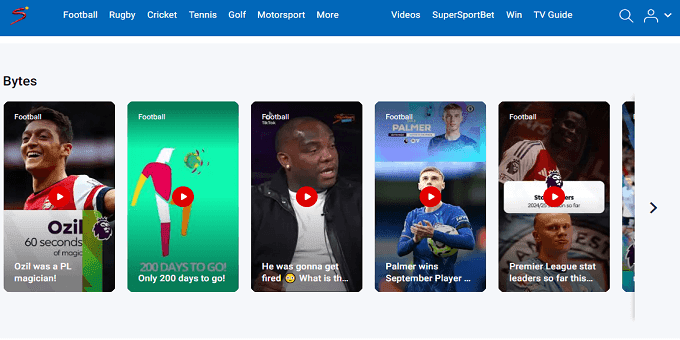
- Watching condensed highlights, expert analysis, and short-form clips directly on a mobile interface.
- Utilizing the highly structured digital TV guide and live fixtures list to meticulously plan a weekend.
- Seamlessly switching between highly specialized sports channels during heavy, overlapping tournament weekends.
What commonly creates deep user friction:
- Inherent confusion between different brand applications, like navigating a dedicated news app versus the live video streaming app.
- Frustrating login issues, particularly when massive households aggressively share accounts across multiple unregistered devices.
- Strict regional broadcasting restrictions that completely block access when a loyal subscriber is traveling internationally.
- Inconsistent device support that varies wildly depending on the specific television model and its current operating system.
Practical viewing strategy:
- Treat the digital streaming app as your absolute default viewing method.
- Keep one powerful main device, such as a high-end smart TV box, dedicated to ensuring ultimate reliability for massive games.
- Use your mobile device strictly as a flexible backup screen, not the primary viewing portal, unless you are intentionally subscribed to a mobile-only plan.
SuperSport Features
The platform’s massive suite of features is always easiest to judge by analyzing exactly how they solve real problems for sports fans.
Problem #1: Massive events overlap constantly. Solution: The deployment of multiple, highly dedicated broadcast channels and a deeply structured digital TV guide.
Problem #2: Different fans passionately follow different teams. Solution: Creating highly dedicated football channels and ensuring incredibly broad match availability across multiple concurrent feeds.
Problem #3: Viewers simply don’t have the time to watch every full match. Solution: Providing rapid-fire highlights, condensed match clips, and immediate access to live fixtures, updated logs, and final outcomes.
Problem #4: Live, unscripted sport requires absolute, uncompromising reliability. Solution: Combining deeply mature, legacy broadcast infrastructure with highly scalable modern streaming access.
The specific features that truly matter most to real, paying users:
- Multi-channel depth This is the platform’s ultimate, hidden advantage. When a fan needs to seamlessly watch live tv to catch overlapping rugby and tennis finals, the multi-channel grid perfectly prevents forced compromise.
- Schedule clarity (TV guide + fixtures) The interactive TV guide is absolutely not a minor feature. It is the literal difference between intelligently planning a weekend and frantically guessing what channel a match is on.
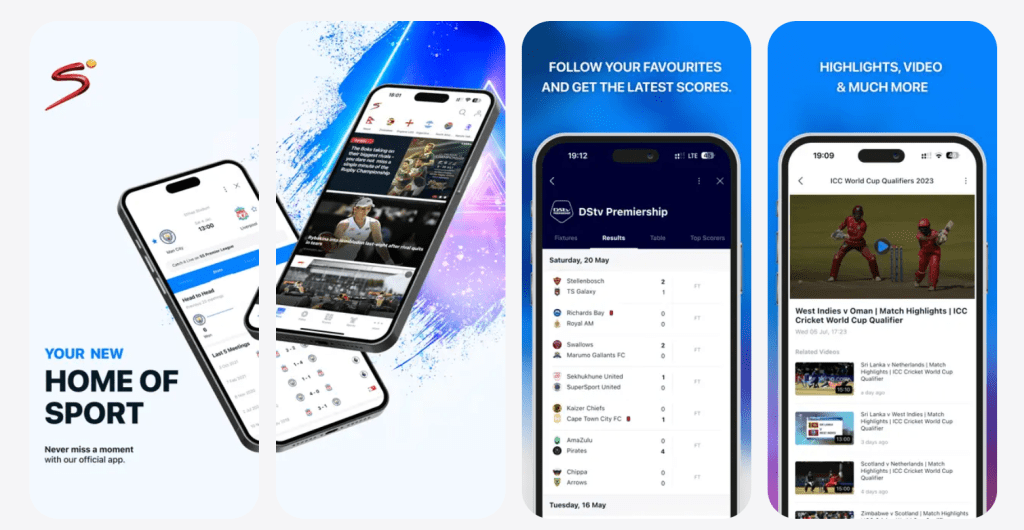
- Strong mobile sports utility Even if a specific viewer never streams full matches on a tiny phone screen, the mobile application still matters immensely. Fans use it constantly for checking confirmed starting line-ups, late team news, live text commentary, and quick halftime highlights.
- Household flexibility (where supported) The technical ability to stream matches concurrently on more than one screen completely changes the entire value conversation. A large household filled with highly divided fans requires multiple active streams to maintain the peace.
- Sport-specific channels Dedicated rugby fans want immediate rugby action without relentlessly digging through menus. Highly dedicated, sport-specific channels drastically reduce viewer friction and build deep channel loyalty.
Actionable takeaway: The absolute best feature on the platform is the deeply vital ability to simply keep watching high-quality video when three massive, globally important matches perfectly overlap.
SuperSport Pricing
Pricing is undeniably the exact point where this platform becomes highly controversial. Average consumers do not exclusively compare the massive monthly price tag to other niche sports services. They ruthlessly compare that premium price to the rising cost of everything else in their daily lives.
The absolute key to fully understanding the premium pricing model is realizing that the elite sports coverage is almost always deeply bundled. That structural reality means the viewer is almost never truly paying for just the sports channels in isolation.
Instead, the viewer is actually paying for a comprehensive package that forcibly includes live sport alongside general entertainment, blockbuster movies, and dedicated kids’ channels.
Therefore, the only real, intellectually honest pricing question becomes: “Is the total, premium package cost genuinely justified by the sheer volume of live sport that is actually watched?”
A highly practical way to accurately judge value is to strictly divide the total monthly subscription cost by the exact number of live sports hours actually watched.
Example logic (simple, but effective):
- If a highly dedicated viewer actively watches 40 to 60 hours of live sport per month, the calculated cost-per-hour becomes highly reasonable.
- If a casual viewer pays for the massive premium tier but only watches 5 to 10 hours per month, the calculated cost-per-hour becomes financially painful.
- If a large household actively utilizes the platform on multiple screens simultaneously, the intrinsic value increases dramatically because one subscription supports multiple streams.
Another incredibly important layer to the pricing conversation involves highly restrictive, mobile-only sports plans. These can drastically reduce the monthly cost for highly specific fans who only care about one single category.
These highly stripped-down tiers can be significantly better for cash-strapped students, daily commuters, younger viewers without large televisions, or highly focused fans.
Actionable takeaway: SuperSport pricing rarely feels cheap, but it can feel entirely fair and justifiable when live sport successfully transitions into a high-volume weekly habit.
SuperSport User Base
The platform effectively serves multiple, highly distinct types of sports fans across the continent. Deeply understanding exactly which specific category a viewer belongs to makes the subscription decision significantly easier.
- The multi-sport loyalist This incredibly dedicated viewer watches football, international rugby, multi-day cricket, and high-speed motorsport without skipping a beat. They desperately want one single, unified home for all their passions.
- The football-first fan This viewer primarily cares about global football and demands consistent, uninterrupted access to massive league matches and colossal European fixtures. While the network can absolutely be a great fit here, these fans also currently have the most viable alternative options available.
- The weekend household viewer This represents a busy household where live sport is treated as a sacred weekend ritual. One massive football derby, one highly anticipated rugby test match, and a major motorsport race are exactly what this ecosystem is built to cater to.
- The highlights-and-headlines viewer This specific viewer genuinely likes being highly informed far more than they enjoy sitting down and watching full matches. Consuming free digital clips, reading comprehensive highlights, and utilizing highly selective, cheaper subscriptions is a significantly smarter move.
- The mobile-only viewer This modern viewer does not care at all about pristine broadcast quality or gathering around massive living room screens. A cheap, highly restricted mobile-focused plan can easily outperform a massive full-scale television bundle in this specific scenario.
Actionable takeaway: The more total hours a viewer actively watches live, the more this massive premium bundle makes complete financial sense.
SuperSport Advantages
The platform’s massive, market-leading advantages are definitely not subtle or hidden. They are highly structural, deeply entrenched, and incredibly difficult for new competitors to quickly replicate.
- One roof for multiple sports The vast majority of modern alternative streaming platforms are highly specialist. This network is aggressively broad, and for millions of African households, that comprehensive breadth is the entire point.
- Strong local relevance A broadcasting platform inherently feels vastly more valuable when it actively covers exactly what everyday people are fiercely debating at work and in taxis. Local domestic competitions consistently help the brand stay culturally vital.
- Multi-channel scheduling power When multiple massive global sporting events inevitably happen at the exact same time, the backend infrastructure easily spreads them across numerous live channels. This prevents aggressively forcing dedicated fans into watching frustrating highlights later.
- High habit potential It is always significantly easier to logically justify a highly expensive sports subscription when it is actively utilized every single week without fail. The sheer volume of content successfully supports deep, weekly viewing routines.
- Good ecosystem support (fixtures, TV guide, clips) A truly elite sports service is about far more than just broadcasting live matches. The massive ecosystem built around the live action keeps dedicated fans highly engaged, offering deep dive sports documentaries and essential analytical breakdowns.
Actionable takeaway: SuperSport wins the battle for the living room when it successfully becomes an absolutely mandatory, deeply ingrained weekly routine.
SuperSport Disadvantages
The distinct disadvantages of the ecosystem are equally real and highly documented. They are usually the exact catalysts that trigger sudden subscriber cancellations.
- Cost sensitivity Even highly dedicated fans who absolutely love the polished final product may deeply resent the massive monthly price tag. The emotional frustration of paying a massive premium when cheaper alternatives exist is a major pain point.
- Packaging complexity Many modern viewers absolutely do not want a bloated, comprehensive package. When highly desirable sports coverage is aggressively bundled into broader entertainment offerings, the purchasing decision becomes significantly heavier.
- Streaming confusion for casual users When separate applications, complex logins, and confusing device requirements aren’t completely obvious, casual users actively struggle. Dedicated sports fans do not want technical setup drama minutes before a massive kickoff.
- Regional restrictions and travel friction Global sports broadcasting rights are brutally regional. That strict legal reality dictates that highly loyal, paying users traveling internationally may absolutely not get the exact same premium viewing experience they receive at home.
- Not every viewer needs everything The platform’s ultimate strength in massive breadth can rapidly become its most glaring weakness. If a fan solely wants to know exactly where to watch uefa champions league football, paying for ten different sports feels deeply wasteful.
Actionable takeaway: SuperSport is unapologetically a premium solution. Premium solutions must relentlessly reduce technical and financial friction, not constantly increase it.
SuperSport Safety and Account Security
Basic digital safety absolutely matters far more than most casual fans care to admit. Highly expensive, premium sports streaming accounts are incredibly valuable targets for aggressive online theft and fraud.
These accounts are frequently targeted for:
- Phishing campaigns, such as fake emails claiming an account will be disabled without immediate verification.
- Stolen logins that are illegally sold incredibly cheaply on shady online forums.
- Fake streaming links that silently install malicious malware on devices.
- Complex SIM-swap schemes and email compromise attacks that permanently lock paying users out.
Safe SuperSport viewing habits:
- Use official subscription routes Cheap, illegally resold accounts found online are incredibly tempting for cash-strapped fans. However, they universally fail at the absolute worst possible time, usually right in the middle of a massive match.
- Protect the email tied to the subscription If the primary email address securing the sports account is successfully compromised, absolutely everything else attached to that account immediately follows.
- Avoid sharing logins widely Aggressive account sharing across massive groups creates inevitable login conflicts and strict device limits being instantly reached. This leads to frustrating unexpected lockouts right before kickoff.
- Don’t click “live stream” links from random sources Those highly suspicious social media links often lead directly to sophisticated, fake login pages meticulously designed to steal highly valuable user credentials.
- Use strong passwords and consider 2FA where available Premium sports accounts are considered extremely high value on the black market. This happens precisely because far too many people dangerously reuse the exact same weak passwords.
Actionable takeaway: The absolute safest, most reliable live sports experience is fundamentally boring. Always utilize official logins, strictly use official applications, and completely avoid taking risky digital shortcuts.
SuperSport Alternatives
Evaluating the viability of alternatives depends entirely on clearly defining what the specific viewer is actually trying to buy in the first place.
Is the viewer buying:
- “football access”
- “all sports access”
- “mobile-only access”
- “big screen broadcast experience”
- “highlights and news”
Here are the most common alternative categories:
- Football-first mobile plans For highly focused viewers who mainly want football and are perfectly happy watching on a smaller mobile screen, specialized mobile-focused plans easily beat the massive premium network. A user searching where to watch la liga on their phone can often find a cheaper, dedicated data bundle.
- Global sports streamers Several global streaming giants aggressively carry selected sporting competitions inside selected countries. A modern Showmax review reveals how local platforms pivot their sports offerings, sometimes carrying the Premier League entirely on mobile tiers, presenting a massive alternative.
- Club/league direct subscriptions Some massive global leagues and highly specific sports now offer entirely direct-to-consumer streaming services. These can be absolutely fantastic, highly detailed portals for the die-hard fans of one highly specific sport like those looking for where to watch wwe exclusively.
- Free-to-air + highlights ecosystems Many casual viewers realize they simply do not need full, live matches. Relying entirely on extended highlights, match recaps, and social clips is exponentially cheaper, but it requires completely sacrificing the live moment.
- “Pick-one-sport” bundles Some highly strategic households utilize a deeply mixed, modular approach. Paying for one dedicated football streaming solution, plus one general entertainment streamer, and relying entirely on free digital highlights is a strategy that massively reduces cost.
Actionable takeaway: SuperSport remains the heavyweight champion for broad households. However, if your viewing habits are highly narrow, meticulously building your own modular streaming package is the most logical financial alternative.away: SuperSport alternatives win when the viewer’s needs are narrow. SuperSport wins when the viewer’s needs are broad.
SuperSport FAQs
1) What is SuperSport best known for?
SuperSport is best known for broad sports coverage across multiple channels, especially in African markets, covering major codes like football, rugby, and cricket alongside many others.
2) Is SuperSport only available on TV?
No. SuperSport content is also supported through digital platforms and streaming access in many common setups, depending on the viewer’s subscription and region.
3) Does SuperSport work on mobile?
Yes. Mobile is a core part of the sports experience for fixtures, news, and highlights, and streaming access may be available through the correct platform in the viewer’s market.
4) Is SuperSport worth it for a football-only fan?
Sometimes—but football-only fans should compare the total cost against football-focused alternatives, especially mobile-only options that may offer better value for a single sport.
5) Is SuperSport worth it for a multi-sport household?
Often yes. Multi-sport households usually benefit more because they use the platform across several sports, making the cost per hour more reasonable.
6) Why do some viewers struggle to stream live sport smoothly?
Most issues come from unstable internet, older devices, outdated apps, or overloaded Wi-Fi networks. Upgrading the streaming device and improving connectivity often fixes the problem.
7) Can SuperSport replace all other sports subscriptions?
It depends on the viewer’s favorite competitions and the rights in that region. SuperSport can cover a lot, but no single platform guarantees every sport and every event worldwide.
8) What’s the easiest way to decide if SuperSport is too expensive?
Track actual viewing hours for a month. If the household barely watches, the cost feels painful. If the household watches weekly across multiple sports, the value increases fast.
9) Is account sharing a good idea?
It can create login conflicts, device limits, and lockouts. It also increases security risk. Keeping access within the household is usually safer.
10) How can viewers get better value from SuperSport?
Use the TV guide, plan viewing windows, watch more early-season matches, and take advantage of multi-sport weekends instead of watching only the biggest games.
11) Are there cheaper alternatives that still include live football?
Yes, depending on region. Many markets have mobile-focused football options that can reduce cost significantly for viewers who only want that category.
12) Does SuperSport offer highlights and clips?
Yes. Highlights and clips are a major part of the modern sports experience and help viewers stay connected even when they miss live matches.
13) What kind of viewer should avoid paying for full SuperSport access?
A viewer who rarely watches live sport and mostly checks scores or highlights can often save money by using a lighter solution.
14) What kind of viewer gets the most out of SuperSport?
A viewer who watches live sport weekly, follows multiple sports, and wants one consistent home for major events typically gets the strongest value.
15) What’s the best “middle ground” approach?
Many viewers combine one football-focused solution with a general entertainment streamer and free highlights for everything else. It can reduce cost while keeping the key live moments.
SuperSport Final Verdict
SuperSport remains one of the strongest “all-in-one” sports ecosystems available in African markets because it’s designed for real sports life: overlapping fixtures, multiple sports seasons, big weekends, and households where different people care about different games. The price can be a deal-breaker for single-sport viewers, and the streaming experience depends heavily on the platform setup and device quality—but when the viewing habit is consistent, SuperSport can still feel like the cleanest way to stay connected to live sport without constantly hopping between services.
If SuperSport is the platform that matches what the household watches every week, it usually earns its place. If SuperSport is being paid for “just in case,” it usually becomes the first thing to cancel.