iflix still exists online, but it is no longer best understood as the old standalone Southeast Asian streamer many people remember. Tencent bought iflix’s content, technology, and resources in 2020 to expand WeTV, and today the active iflix site clearly presents a WeTV-linked viewing experience with shared branding, overlapping content style, and WeTV-labeled pages.
That makes iflix a live but changed service. It is not a dead platform, yet it also does not feel like the same fully separate identity it once had. The most accurate way to explain it now is as an active streaming destination operating under a much stronger WeTV/Tencent umbrella.
Last Updated: March 2026
How This iflix Review Was Evaluated:
- Current live status of the iflix site and app access
- How closely the current service overlaps with WeTV branding and content
- Practical value for viewers looking for active streaming access today
- Ease of use across website and app-based viewing
- Trust and legitimacy as a current streaming destination
- Historical shift after Tencent’s acquisition
- Overall usefulness compared with clearer standalone alternatives
What Is iflix?
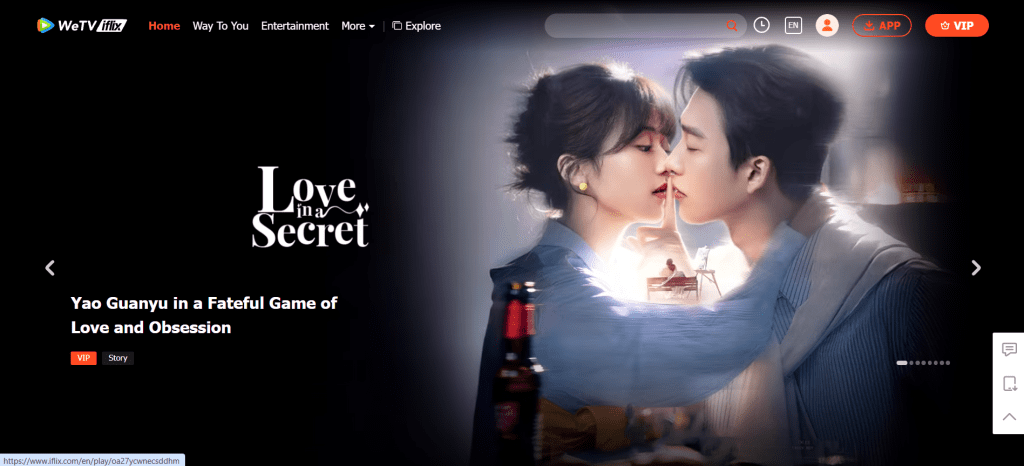
The platform currently operates as an active, freemium streaming site where users can watch high-definition video content. You can browse the catalog through a clean web interface or the dedicated mobile application. The live site constantly promotes app downloads, smoother video playback, and category-based browsing.
At the same time, the service no longer feels like a separate brand with a distinct market identity. Several live pages inside the domain explicitly display WeTV watermarks and labeling.
In practical terms, a viewer can still sign in and use the application effortlessly. However, your mental model should not be “classic iflix.” Instead, think of it as the WeTV-connected version of the platform. It remains live specifically to serve Tencent’s larger Asian streaming strategy.
Key Features and Standout Tools
One of the most obvious current features is flawless high-definition streaming. The live site repeatedly promotes Blu-ray quality playback for supported content. This ensures viewers get pristine visuals, whether they are watching modern romances or action-heavy historical epics.
App-Based Convenience and Short-Form Content
Another notable feature is the seamless app-based viewing experience. The platform heavily pushes its mobile application to deliver better buffering speeds across developing networks. The catalog layout also beautifully highlights modern viewing trends. Chinese studios excel at producing rapid, highly addictive short-form content, making this platform a massive hub for the best mini series available in Asian entertainment.
Community and Localization
The service also highlights localized dubbing in languages like Thai, Indonesian, and Malay. It features interactive bullet comments, which allow users to post real-time reactions on the screen. These interactive tools give the application a vibrant community feel rather than acting as a static catalog. However, the visible WeTV overlap remains its defining modern characteristic.
Is iflix Safe, Reliable, or Trustworthy?
Yes, the platform operates as a completely legitimate and highly active digital service. The official domain remains live, the playback pages work flawlessly, and the app download flow is fully maintained.
It also carries an incredibly credible ownership story. Operating under Tencent Holdings places it inside one of the largest media-tech ecosystems on the planet. It is absolutely not an abandoned app or a shady, unofficial streaming website.
Managing Viewer Expectations
The more useful caution involves personal expectations rather than digital safety. Someone expecting the old, highly localized independent experience might feel slightly alienated. The current service acts heavily as a portal for premium Chinese and Thai television. If you enjoy diving into brilliant Asian crime thrillers and the best investigation tv shows, the platform is incredibly reliable. If you expect a massive library of western Hollywood content, the catalog will feel entirely wrong for you.
Pricing, Payments, and Subscription Structure
The platform currently supports active streaming through a mixed freemium model. You can watch a significant amount of featured content completely for free. Meanwhile, premium VIP access unlocks the platform’s best features.
Historically, the brand was famous for offering highly affordable, localized subscription rates. Under Tencent, the VIP structure closely mirrors WeTV’s standard offerings. VIP members generally receive completely ad-free viewing, faster video downloads, and the ability to stream on multiple devices simultaneously.
Because public pricing pages often redirect based on your exact global location, exact billing details vary locally. The smartest and safest move is to verify the live site directly. Check the VIP portal within your specific region before assuming whether a title sits behind a paywall.
User Experience
The current user experience looks instantly familiar to anyone who streams Asian dramas and serialized television. The interface remains incredibly easy to browse, the content pages load quickly, and the video player is highly responsive.
Exploring Premium Asian Genres
The catalog leans heavily into WeTV-style curation. This means viewers have instant access to massive, sweeping historical narratives. Asian studios frequently produce incredible period dramas detailing intense dynasty conflicts and thrilling espionage, matching the scale of the best spy TV shows available globally. Viewers can also easily find a gripping based on a true story series exploring the lives of iconic historical figures.
The main downside involves brand clarity. A viewer may arrive expecting the legacy platform and discover it behaves exactly like WeTV. While the usability is fantastic, the shifting identity can confuse older returning users.
Pros and Cons
A major advantage is that the service actually remains live and fully functional. Unlike many legacy streaming names that simply vanished, this brand still offers a working, premium destination.
Another massive plus is its connection to the Tencent ecosystem. Being tied to WeTV gives it massive credibility, deep funding, and a massive pipeline of high-quality dramas and anime. The current site strongly promotes vital viewing features like HD playback, localized dubbing, and excellent mobile support.
The main drawback is persistent brand confusion. Because it no longer maintains a clear, standalone identity, users struggle to define it. It can be difficult to know whether you should think of it as the classic platform, WeTV, or a confusing mix of both.
iflix vs Alternatives
The absolute closest comparison is WeTV itself. The current user experience is visibly tied to WeTV branding, and Tencent’s acquisition was explicitly designed to expand that exact ecosystem. Viewers who want the most direct version of this content style might simply prefer downloading the main WeTV application where available.
Other massive Asian-focused services make sense depending on your exact content preferences. If you want a platform dedicated deeply to global subtitle communities, Viki is a massive rival. If you prefer a massive hub specifically for Chinese and Korean animation alongside dramas, iQIYI offers fierce competition.
If you are comparing this platform specifically, the central debate remains between legacy expectations and today’s Tencent-shaped reality.
Comparison Table: iflix vs Other Platforms
| Platform | Best For | Status / Pricing | Key Advantage |
| iflix | Returning legacy users | Free tier & VIP plans | Still highly active and supports flawless HD web/app viewing |
| WeTV | Tencent ecosystem fans | Free tier & VIP plans | Stronger primary identity offering the exact same content library |
| iQIYI | Asian anime and dramas | Free tier & VIP plans | Massive Asian entertainment focus and highly clear VIP structure |
| Viki | Subtitled Asian series | Free tier & Viki Pass | Strong subtitle-first experience and deep fan community |
| Netflix | Broad global entertainment | Paid subscription only | Massive multi-genre catalog offering extreme western variety |
The main takeaway is simple: iflix is still usable, but it now makes the most sense when understood as part of a broader WeTV-connected setup rather than a fully separate platform identity.
FAQs: iflix
Is it still active?
Yes. The official iflix site is live, with active playback pages and app download access.
Did Tencent buy iflix?
Yes. Reuters reported that Tencent bought iflix’s content, technology, and resources in June 2020.
Is it the same as WeTV now?
Not exactly, but the current iflix site clearly overlaps with WeTV branding and content presentation, so it is much more closely tied to WeTV than it used to be.
Can users still watch videos on iflix?
Yes. Active playback pages are publicly accessible on the site.
Does it have an app?
Yes. The official site still includes an app download flow.
Does iflix support HD viewing?
Yes. Current pages promote HD or “Blue-ray quality” viewing.
Does iflix offer dubbing?
Yes. Current pages mention localized dubbing.
Does iflix have interactive comments?
Yes. Current pages mention interactive bullet comments.
Is iflix trustworthy?
Yes. It appears to be a legitimate active service backed by Tencent’s acquisition and a live official domain.
Is iflix still the old Southeast Asian streaming service?
Not in the same way. It is still online, but the current experience is much more tied to WeTV than the older standalone identity.
Can users still subscribe to it?
Publicly surfaced results confirm active use, but they do not show a clear current pricing page here, so users should check the live site or app directly for the latest access terms.
What is the closest alternative to it?
WeTV is the closest comparison, because the current iflix experience is visibly linked to it and Tencent acquired iflix specifically to expand WeTV.
Final Verdict: iflix
iflix is not a dead platform, but it is also not the same clearly separate service many users remember from its earlier years. It is still live and usable, yet its current identity is much more closely tied to WeTV and Tencent’s broader streaming strategy.
That makes it a real option for viewers who simply want access to the current site and its catalog. But for users trying to understand the brand clearly, the most honest explanation is that the service now works more like a WeTV-connected platform than a sharply independent one.
For anyone deciding whether to use it, the clearest takeaway is this: iflix still works, but the best way to understand iflix today is as a changed brand living inside a larger WeTV-shaped ecosystem.