When fans look for where to watch movies filled with jaw-dropping stunts and brilliant physical comedy, they inevitably search for the legendary works of Jackie Chan.
Over a decades-long career across Hong Kong and Hollywood, this global icon fundamentally redefined the action genre. Today, countless viewers rely on modern online streaming platforms to dive into his massive library of high-energy classics.
Last Updated: March 2026
How Guide Was Structured
This guide focuses on widely known films that often appear in general discussions of Jackie Chan Movies. The examples and topics were selected using neutral factors such as:
- Titles frequently mentioned in career overviews and mainstream film discussions
- Long-term popularity across different regions and viewing platforms
- Historical importance in Hong Kong action cinema and global action trends
- Recognition through industry attention, franchise visibility, and repeat viewings
- Notable action design, physical comedy, and stunt-driven storytelling
- Impact on audiences across generations, including television and home media eras
- Clear links to Jackie Chan’s screen persona, including tone and performance style
The goal is not to cover every credit. It is to highlight the titles most people associate with his work.
Understanding the Jackie Chan Movies
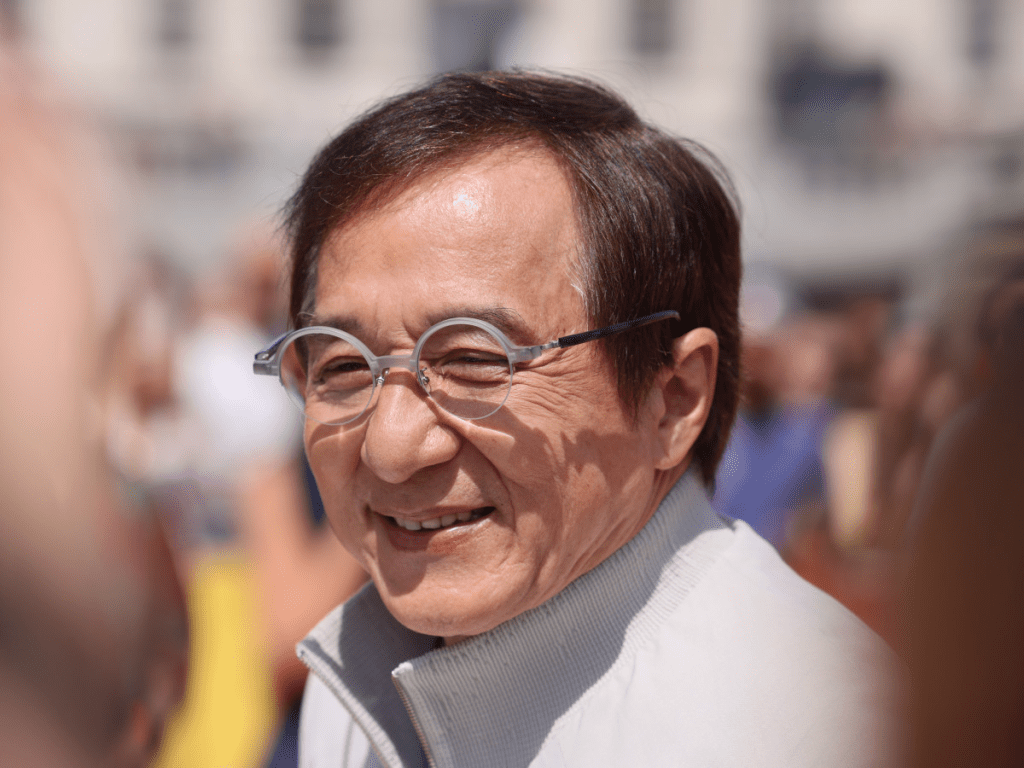
When audiences discuss Jackie Chan movies, they are talking about a totally unique cinematic blend of martial arts, slapstick humor, and unparalleled physical dedication. In these films, he typically plays a determined lead character who performs his own highly dangerous action sequences. Usually, these stories build breathtaking combat scenes around everyday objects and real-world locations.
Throughout his legendary run, his career spanned multiple distinct eras. Initially, he rose to fame through the intense, highly practical stunt culture of Hong Kong action cinema. Later, he achieved massive global fame through major Hollywood projects, which naturally changed his budgets, international settings, and co-stars. Furthermore, while he occasionally takes on dramatic roles, most fans flock to the defining titles where his unmatched physical performance takes center stage.
Notable Action Landmarks
Over several decades, he has delivered countless genre-defining performances. The titles below stand out as some of his most celebrated releases, perfectly showcasing how his signature style evolved over time.
Classic Hong Kong Cinema and Martial Arts Breakthroughs
- Drunken Master (1978) — A groundbreaking release that showcases the “drunken boxing” style and highly playful training sequences.
- Project A (1983) — An action-adventure that features a memorable period setting and incredibly dangerous large-scale stunts.
- Police Story (1985) — A modern masterpiece that fans revere for its legendary practical stunts and destructive city-set chase sequences.
- Armour of God (1986) — A globe-trotting adventure that packs in elaborate traps, intense fights, and daring physical set pieces.
- Dragons Forever (1988) — Audiences often celebrate this entry for its incredible ensemble cast and gym-style fight staging.
- Miracles (1989) — A visually stunning period crime story that places a heavy emphasis on classic, meticulously crafted choreography.
- Drunken Master II (1994) — A widely beloved follow-up that dramatically expands the original’s comedic tone and martial arts intensity.
International Fame and Modern Action Highlights
- Rumble in the Bronx (1995) — The international breakout hit that successfully introduced his signature style to massive new global audiences.
- Rush Hour (1998) — A massive buddy-cop hit that permanently cemented his Hollywood profile. Viewers frequently search where to watch Rush Hour to experience his iconic chemistry with Chris Tucker.
- Shanghai Noon (2000) — A brilliant Western-themed comedy featuring a fun fish-out-of-water tone and excellent partner dynamics.
- New Police Story (2004) — A later-era entry that adopts a much darker tone and a heavily modernized action structure.
- The Karate Kid (2010) — A mentor role that highlights traditional training themes and introduces a remarkably different screen persona.
- The Foreigner (2017) — A surprisingly gritty, serious thriller that strips away the comedy to showcase his intense dramatic restraint.
Why His Stunt-Driven Style Continues to Captivate
His extensive catalog remains highly popular because viewers instantly identify his completely unique action style. Since his releases rely on pure physical skill rather than heavy computer-generated effects, they age incredibly well. Consequently, modern viewers find them incredibly easy to revisit.
Moreover, because his active career is so incredibly long and varied, audiences always have new cinematic phases to discover. Titles constantly cycle through cable television syndication and digital platforms, keeping his cultural footprint massive. Furthermore, dedicated action fans constantly return to his work to study his groundbreaking choreography. Ultimately, his practical methods influenced countless later performers and permanently shaped modern martial arts movies.
The Hallmarks of a Signature Action Scene
While his filmography covers many different settings, his most celebrated releases share several clear patterns. These specific traits explain why viewers immediately recognize his handiwork on screen.
- Real-World Environments: Stairwells, local markets, and narrow streets directly influence the choreography, creating a beautifully grounded look.
- Masterful Physical Comedy: The humor flows naturally from perfectly timed reactions or small, relatable mistakes made during intense fights.
- Prop-Based Combat: Characters constantly grab chairs, ladders, poles, and random everyday items, adding immense variety to the brawls.
- Relentless Pacing: Most narratives establish a very simple goal and keep the story moving rapidly, keeping all attention glued to the spectacular set pieces.
- The Reluctant Hero Persona: The main character often avoids conflict initially but commits fully to the battle once the stakes escalate.
- Dynamic Partnerships: Pairings with fun co-stars allow for vastly different comedy beats and varied action setups.
How Films Achieve Legendary Status
Typically, a release becomes permanently tied to his legacy through a mix of career milestones and sustained viewing habits. Initially, his early works established a public image built entirely on the perfect blend of comedy and martial arts. Those foundational movies then remain essential viewing in every career summary.
Additionally, massive franchise entries gain incredible attention through sheer visibility. Series like Police Story give audiences a very clear order to follow. Meanwhile, international Hollywood hits remain central because they reached audiences far outside of Hong Kong. Finally, streaming rediscovery constantly shifts the landscape, allowing older gems to suddenly jump back into the global pop culture conversation.
Where to Stream the Masterpieces
Since licensing agreements rotate constantly, no single provider holds his entire international and domestic library. However, specific platforms specialize in different eras of his massive career.
| Streaming Service | Library Focus | Notable Masterpieces Available |
| HBO Max | Classic martial arts essentials and global blockbusters | Police Story, Rush Hour |
| Paramount Plus | Action-comedy hits and late-90s Hollywood breakouts | Rumble in the Bronx |
| Netflix | Modern dramatic roles, recent legacy sequels, and family titles | The Karate Kid |
| Prime Video | Extensive martial arts rentals and international imports | Drunken Master |
| Peacock | Assorted classic comedies and buddy-cop adventures | Shanghai Noon |
Contextualizing a Legendary Career
His most celebrated films largely originated during a golden period when Hong Kong cinema emphasized practical stunts and impossibly fast choreography. Because these productions utilized real locations and real movement, they created a visible sense of danger that audiences instantly respected.
Later, as his global profile exploded, his projects quickly expanded into international markets. Consequently, budgets drastically increased, and the settings became far more glamorous. While some films maintained the pure stunt-driven focus, others smartly adjusted their tone to fit broader mainstream Hollywood formats. Throughout it all, his absolute dedication to physical performance remained the ultimate draw.
FAQs
What defines this specific style of cinema?
Generally, it refers to high-energy films where the lead actor performs signature, highly dangerous action sequences entirely by himself.
Are these releases strictly focused on martial arts?
While many function as action comedies, his catalog also includes globe-trotting adventures, gripping crime thrillers, and serious dramas with fewer comedic beats.
Does his library include both Hong Kong and Hollywood productions?
Yes. His massive career includes groundbreaking Asian titles alongside massive international blockbusters.
Where is the best starting point for a new viewer?
Most fans recommend starting with a well-known, high-energy action comedy from the 1980s or 1990s before diving into the bigger franchises.
Are the on-screen stunts actually practical?
Absolutely. Many of his classic titles rely heavily on highly dangerous practical stunts, though some of his much later releases use modern safety techniques.
Does his catalog feature many sequels?
Yes. Several of his most famous releases spawned massive, long-running franchises that completely dominated the global box office.
Did he ever film any serious dramatic roles?
Yes. Some of his later, more mature roles lean much more serious and entirely strip away the classic comedic elements.
How does his fighting style differ from other action stars?
His highly distinctive style typically blends brilliant physical comedy with complex, prop-based choreography, rather than focusing purely on raw aggression.
Some do, especially lighter action comedies. Suitability varies by rating and intensity.
Final Overview: Jackie Chan Movies
Jackie Chan Movies describes a long-running body of work linked to action choreography, physical comedy, and practical stunt-driven filmmaking. The topic remains widely discussed because his films shaped action-comedy style across decades and stayed visible through franchises, international releases, and streaming rediscovery. The most commonly associated titles include classic Hong Kong action films, global breakout hits, and later roles that show range in tone, which keeps Jackie Chan Movies a lasting part of mainstream action cinema conversation.