Pluto TV is one of the easiest ways to stream without paying a monthly fee, and it wins by bringing back the “just put something on” feeling. Instead of forcing viewers to scroll forever, it blends live-style channels with a free on-demand library, so the TV can feel alive again.
That’s the real hook. Many streaming services are amazing libraries, but they create a new problem: decision fatigue. People sit down to relax and somehow end up browsing for 25 minutes. Pluto TV flips that. It’s built for lean-back viewing: channels, schedules, quick picks, and no pressure to commit.
This review breaks down what Pluto TV is best for, what the channel experience feels like in real households, how the free model works, which features matter, where it shines, where it falls short, and what alternatives make sense depending on viewing habits.
What Pluto TV Is Best For
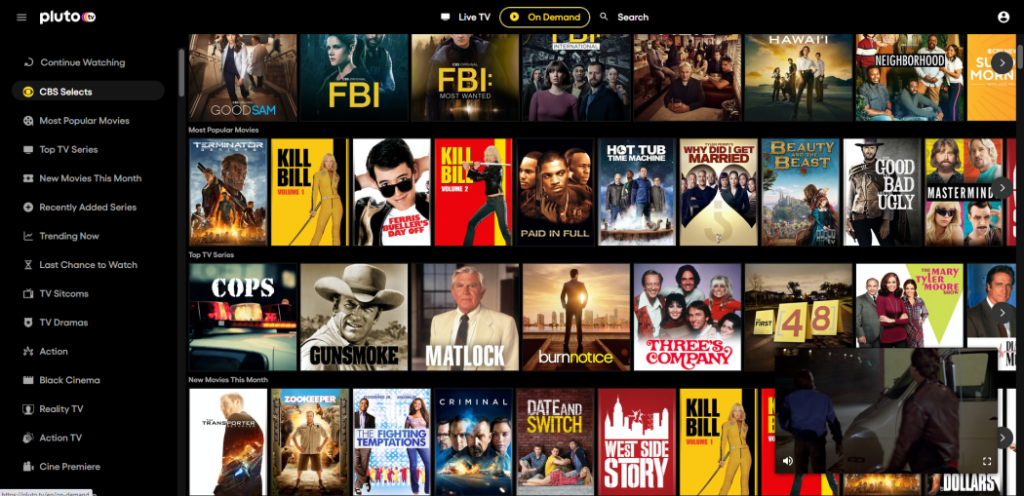
Pluto TV tends to work best for viewers who value convenience over control. Not “I need the exact title right now” control, but “I want something decent on the screen” control.
It’s a strong fit for:
- Viewers who want free entertainment without starting another subscription.
- People who miss channel surfing and live-style browsing.
- Households that like background TV while cooking, working, or winding down.
- Viewers who enjoy niche channels, genre channels, themed programming, and comfort content.
- Anyone building a budget-friendly streaming lineup that still feels full.
It can be less ideal for:
- People who want one premium library with the newest releases included.
- Viewers who hate ads and don’t want interruptions.
- Households that only watch a small list of specific titles.
- People who want consistent, identical availability across every country and device.
A simple way to decide: if the household wants free TV that feels effortless, Pluto TV is usually a great addition.
Content Experience
The smartest way to understand the platform is to treat it as two experiences in one.
Live Channels
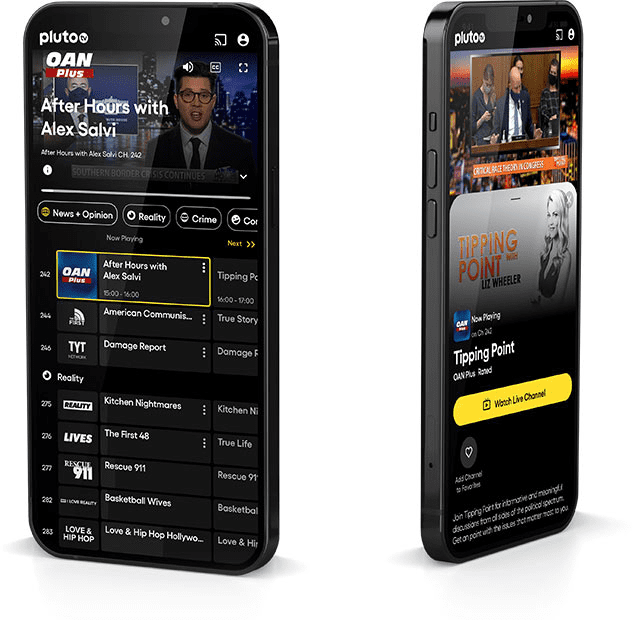
This is the main event. Pluto TV leans into the live-guide feeling, like cable, but free. Viewers can browse channels by category and jump in immediately. That matters because it eliminates the pressure to choose perfectly.
Real-world examples of how people use live channels:
- Someone turns it on during dinner prep and leaves it running.
- A household wants something familiar on a Sunday afternoon.
- Friends are over and nobody wants to debate what to watch.
- A viewer wants the feeling of a channel instead of a list.
The key benefit is psychological: live channels remove the burden of selection. It’s easier to enjoy what’s on than to hunt for the perfect pick. That is why Pluto TV fits viewers who still like the feeling of watch live TV without paying for a full cable-style package.
On-Demand Movies and Shows
The on-demand section works like a free library. It’s often best used as:
- A backup when live channels don’t hit the mood.
- A way to pick a quick movie without paying rental fees.
- A discovery tool for older titles and hidden gems.
- A casual way to browse free shows and movies without treating the app like a premium catalog.
This is not the same promise as subscription giants. The on-demand value comes from being free and surprisingly watchable, not from being the biggest catalog in the world.
For viewers comparing movie streaming sites, Pluto TV works best when expectations are realistic: free movies, rotating titles, ads, and a low-pressure browsing experience.
The Free Streaming Reality
Free platforms usually rotate content. Titles come and go. That’s normal.
The best mindset is:
- Use it for convenience and variety.
- Treat specific titles as a bonus, not a guarantee.
- If the household is chasing one exact movie, a paid platform might be a better fit that night.
That last point matters because Pluto TV is not always the best answer for people trying to decide where to watch movies with a specific title already in mind. It is stronger when the viewer is flexible and open to whatever is available.
Movie Discovery and Hidden Gems
Pluto TV can also work well for viewers who enjoy browsing older, familiar, or unexpected movies without paying for every pick.
Depending on what is available, the service can be useful for:
- Casual older movie discovery.
- Background-friendly comfort titles.
- Random genre channels.
- Free on-demand films that feel good enough for a relaxed night.
- Hidden picks that overlap with feel good movies or cult classic movies.
That kind of discovery is where Pluto TV makes sense. It doesn’t need to beat premium platforms on new releases. It only needs to give viewers something easy and watchable when they don’t want to spend money.
Key Features That Matter
Pluto TV doesn’t need to be complicated to be useful. The features that matter are the ones that improve the daily experience fast.
Guide-Style Navigation
The guide is the identity. It helps viewers browse by time, channel, and category. This matters because it replaces endless scrolling with “what’s on now?”
Actionable tip: if the guide feels overwhelming, pick one category, such as movies, comedy, reality, or crime, and rotate within that category for a week. The service feels better when it becomes familiar.
Fast Start-Watching Experience
For many households, the biggest win is speed. Turn it on, pick a channel, watch.
There are no subscriptions to manage. There is no monthly billing decision. There is no login drama on the living-room TV every time someone wants background entertainment.
That fast start is part of why Pluto TV works so well as a filler app. It removes the small frictions that make streaming feel tiring.
Categories and Themed Channels
Themed channels are where the service feels clever. Even when someone doesn’t know what they want, the channel themes help narrow the choice without demanding a perfect decision.
A viewer can move by mood instead of title:
- Comedy.
- Reality.
- Action.
- Crime.
- Movies.
- News-style programming.
- Comfort viewing.
That makes Pluto TV useful for people who don’t want to make a big decision every time the TV turns on.
Multi-Device Support
Pluto TV works best when it can follow the viewer:
- Living-room TV for real channel surfing.
- Phone or tablet for casual watching.
- Laptop when someone wants background entertainment while working.
The more places it works smoothly, the more it becomes a default option.
Profiles and Personalization
Some households expect deep personalization like premium platforms. Pluto TV is simpler. It is more about browsing and less about algorithmic “this is your identity” recommendations.
For many people, that is actually a relief. The experience can feel less intense because the viewer is not constantly being pushed toward the “perfect” next thing.
Pricing and How the Free Model Works
Pluto TV is free. The tradeoff is ads.
That’s the entire business model in one line: viewers pay with attention, not money.
A realistic breakdown of what that means:
- Ads show up during live channels and on-demand viewing.
- There is no monthly subscription required to get value.
- The service is easiest to love when the household accepts that ads are part of the deal.
How to Decide If Free With Ads Is Worth It
A simple step-by-step test:
- Turn it on for a week as background TV
Use it during low-pressure moments: cooking, cleaning, casual evenings, or weekend background viewing. - Notice how the household reacts to ads
Are the ads tolerable, or does everyone complain immediately? - Keep it as a permanent free option if ads feel fine
A free app that gets used even once or twice a week can still earn its place. - Use it only for casual viewing if ads ruin movie night
Premium movie nights may still belong on paid services, rentals, or other platforms.
This keeps Pluto TV in the lineup without trying to make it do a job it wasn’t built for.
Who Uses Pluto TV Long-Term
Pluto TV tends to stick in a household when it becomes a habit, not a special-occasion app.
Common long-term user types:
- The background viewer: always wants something playing while doing other things.
- The budget builder: wants entertainment without stacking subscriptions.
- The channel surfer: misses the simplicity of live TV.
- The rotation strategist: cancels subscriptions sometimes and uses free apps to fill the gap.
- The casual household: wants a shared TV option that doesn’t require logins or planning.
A realistic long-term pattern:
- Pluto TV stays installed permanently.
- Paid services rotate based on what the household is watching.
- Free live channels cover the “we don’t know what to watch” nights.
That role is simple, but useful. Pluto TV does not need to be the main platform to be valuable.
Advantages
Pluto TV usually wins in everyday life because it delivers value fast.
- Truly Free Entertainment
No subscription pressure. It’s easy to keep in the lineup. - Live Channels Remove Decision Fatigue
It’s easier to enjoy what’s on than to browse endlessly. - Perfect for Background TV
It’s built for casual viewing and steady streaming. - Great for Households
It works when multiple people are watching and nobody wants to argue over the perfect pick. - Strong Filler Value
When a premium service feels stale, Pluto TV keeps the TV feeling alive without costing anything.
Disadvantages
The downsides are real, but they’re also predictable. Most of them come from the free model.
- Ads Are Part of the Deal
If the household hates interruptions, this can be frustrating. - Not Built for Exact-Title Viewers
The catalog rotates, and the focus is channels, not a permanent library. - Quality and Availability Vary by Region and Device
Some viewers will have a better experience than others depending on where they live and what they watch on. - The Channel Approach Isn’t for Everyone
Some people prefer total control: choose a title, start, finish. Channel surfing can feel aimless to them. - Movie-Night Expectations Can Be Mismatched
For premium new releases, a rental or subscription service often wins. Pluto TV shines more in casual mode.
Safety, Privacy, and Account Security
Free streaming is generally safe when viewers keep habits clean. Most issues come from clicking fake links or using unofficial apps.
Practical safety checklist:
- Download the app from official app stores on the device.
- Avoid free-streaming websites that look like copies or clones.
- Don’t enter personal details unless the platform clearly requires it.
- Use parental controls or kids-safe viewing habits if children use the same screen.
- Keep the device itself secure because updates matter more than people think.
For households with kids, the biggest safety win is supervision plus choosing appropriate channel categories. Free live channels can surface unexpected content if nobody is paying attention.
Pluto TV vs Other Streaming Options
Pluto TV is best compared by viewing style, not by raw catalog size.
Pluto TV vs Netflix
Netflix is a paid, binge-first library with premium originals. Pluto TV is a free, live-style experience that focuses on easy viewing. Netflix is for deliberate picks, broad recommendations, and best series on Netflix searches. Pluto TV is for effortless viewing when the household simply wants something on.
Pluto TV vs YouTube
YouTube is creator-driven, unpredictable, and often algorithm-led. Pluto TV feels more like structured TV with channels and schedules. One is internet video. The other is free cable-style streaming.
YouTube works better when viewers want creators, tutorials, clips, and endless niche content. Pluto TV works better when the household wants a cleaner channel-style experience.
Pluto TV vs Tubi
Tubi is often seen as a strong free on-demand library competitor, while Pluto TV is often stronger for live channels. Viewers who want channel surfing usually prefer Pluto TV. Viewers who want to pick free movies on demand often lean Tubi.
A household can easily use both: Pluto TV for live-style browsing and Tubi for free movie picking.
Pluto TV vs Freevee
Freevee tends to be a strong free option with an on-demand emphasis, depending on region. Pluto TV’s unique identity is the guide-and-channel experience.
Freevee may suit viewers who want free shows and movies from a more library-style setup. Pluto TV suits viewers who want the TV feeling of “what’s on right now?”
Pluto TV vs Rakuten TV
Rakuten TV can make more sense for viewers who want free streaming plus rentals or purchases in one place. Pluto TV is better when the priority is free live channels and lean-back viewing.
A viewer who wants to rent a specific new movie may prefer Rakuten TV. A viewer who wants free channel surfing will usually understand Pluto TV faster.
Pluto TV vs Plex
Plex can be useful for viewers who want personal media, free streaming, and live-style options in one ecosystem. Pluto TV is simpler and more direct: open the app, pick a channel, watch.
Plex may suit households that like managing a broader media setup. Pluto TV suits households that just want free TV energy without thinking too much.
Alternatives to Pluto TV
The best alternative depends on what the household is trying to achieve.
If the goal is free on-demand movies, alternatives often include:
- Tubi.
- Freevee.
- Popcornflix.
- Other free streaming apps available in the viewer’s region.
If the goal is premium originals and deep libraries, alternatives include:
- Netflix.
- Prime Video.
- Disney Plus.
- Max.
- Hulu.
- Paramount Plus.
If the goal is renting a specific new movie tonight, the better fit is usually:
- Rakuten TV.
- Prime Video.
- Google TV.
- YouTube Movies.
- Other rental stores with wide device support.
If the goal is live-style viewing, viewers may also compare:
- watch live TV options.
- Free live-channel hubs.
- Built-in smart TV channels.
- Pluto TV-style services available in their region.
A smart lineup is often mixed:
- A free live-channel app for casual viewing.
- One paid service for premium series.
- One rotation service that changes based on what the household is currently into.
- A rental option for specific movie nights.
The key takeaway: Pluto TV works best when it is allowed to be what it is — free, easy, channel-style streaming for casual viewing. It should not be judged like a premium subscription library. It should be judged by how often it saves the household from scrolling, spending, or overthinking what to watch.
FAQs
1) Is Pluto TV really free?
Yes. It’s free to watch, and the tradeoff is ads.
2) Does Pluto TV require a subscription or credit card?
No subscription is required to start watching. Some devices may offer optional account features, but the core experience is free.
3) What’s better: live channels or on-demand?
Live channels are usually the main strength. On-demand is a useful bonus for quick picks.
4) Is Pluto TV good for background TV?
Yes. It’s one of the best free options for casual, lean-back viewing.
5) Can viewers choose exactly what they want to watch?
Sometimes, through on-demand. But the platform is strongest when viewers treat it like channel surfing.
6) Why do titles come and go?
Free platforms often rotate content due to licensing windows and regional availability.
7) Is Pluto TV good for families?
It can be, but parents should guide what channels are used and supervise viewing, especially with live content.
8) Are the ads excessive?
Ad load varies. Viewers who hate interruptions may prefer using it for casual viewing instead of movie nights.
9) Does Pluto TV work on smart TVs?
In most cases, yes, depending on the TV platform and region.
10) Is the streaming quality good?
It’s generally good enough for casual viewing. The best experience depends on device performance and internet stability.
11) Can Pluto TV replace paid services?
For some households, it can cover a lot of casual viewing. For premium originals and specific must-watch titles, paid services usually still win.
12) Is Pluto TV safe to use?
Yes, when downloaded from official app stores and used on updated devices.
13) Does it work outside the US?
Availability depends on country. Some regions have different channel lineups and content options.
14) What’s the fastest way to get value from Pluto TV?
Pick one category, favorite a handful of channels, and use it as background viewing for a week.
15) Who should skip Pluto TV?
Viewers who want ad-free watching and a permanent “pick any title anytime” library may prefer subscription services instead.
Final Verdict
Pluto TV is a smart choice for viewers who want free entertainment that feels effortless, especially when the household enjoys live-style channels and background TV. It won’t replace premium subscriptions for must-watch originals or brand-new releases, but it doesn’t need to. Its real strength is keeping the TV entertaining without costing anything.
For a balanced streaming lineup, Pluto TV works best as the always-installed free option—the one that saves time, cuts decision fatigue, and fills the gaps when subscriptions rotate or nobody feels like choosing the perfect show.