
Discovery Plus is one of the simplest yes subscriptions in streaming if a viewer loves real-life TV enough to watch it weekly. Compared with broader streaming services, it doesn’t compete by chasing blockbuster movies or prestige drama. It wins by feeding the exact craving mainstream platforms often ignore: comfort viewing, curiosity viewing, and one-more-episode reality TV.
There’s a reason this category has loyal fans. Real-life TV fits everyday life. It’s easy to dip into after work, easy to follow without a huge commitment, and useful for households that want to watch TV shows online without always choosing scripted drama, movies, or heavy prestige series.
This review breaks down what the service is, how it feels in real viewing habits, what features matter, how pricing typically works in an evergreen way, who it fits, where it can disappoint, how to use it safely, and what alternatives make sense if the vibe isn’t right. It also looks at why Discovery Plus can appeal to viewers who enjoy reality TV, lifestyle shows, true crime, renovation content, food series, and people who want to watch documentaries in a more casual, TV-friendly way.
Overview
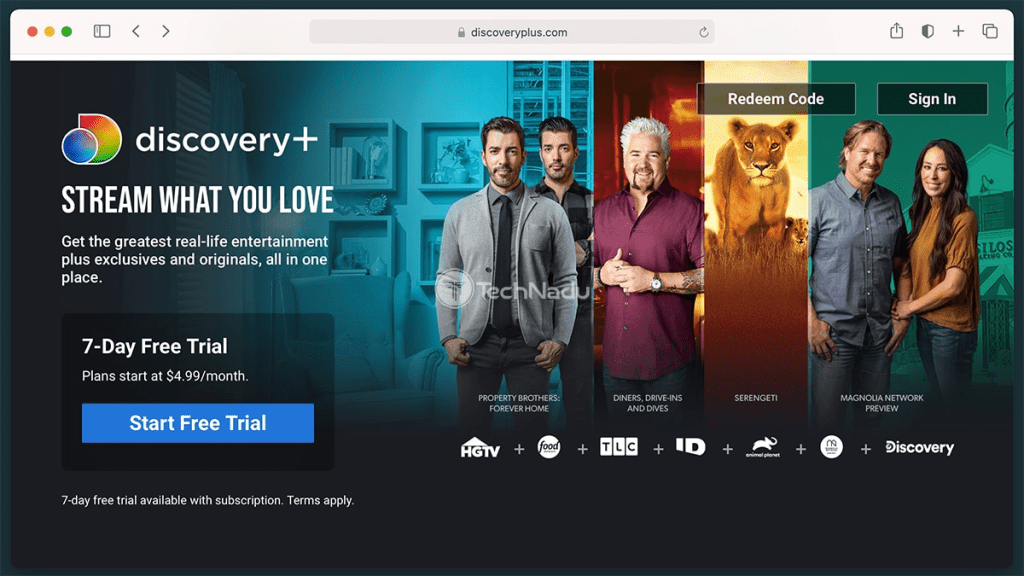
Discovery Plus is a streaming service built around real-life entertainment: lifestyle, food, home, relationships, adventure, documentary-style series, and a big true-crime lane.
The best way to understand it is this: it’s the place people go when they want relaxing, watchable, low-friction TV that doesn’t require a commitment mood.
That doesn’t mean it’s shallow. It means it’s practical.
A lot of households don’t actually want to spend every night choosing between three-hour movies and heavy dramas. They want something that:
- Starts fast.
- Makes sense quickly.
- Keeps momentum.
- Works as background or full attention.
- Feels safe to put on when guests or family are around, depending on the genre.
- Gives different people in the house different real-life lanes without switching services.
Real-life streaming is also extremely repeatable. People rewatch renovation shows. They binge cooking competitions. They cycle through true crime like a library. They return to familiar hosts, familiar formats, and familiar household routines.
If that’s the household behavior, Discovery Plus makes sense.
What You Can Watch
Discovery Plus shines because it’s organized around habits, not hype. Viewers aren’t usually searching for one specific title. They’re searching for a mood and a category.
Here’s how the catalog typically feels when used the way most people actually stream.
Food and Cooking
Food and cooking content is comfort TV at its best. It works whether someone is watching seriously, half-watching while eating, or letting an episode run while cleaning the kitchen.
This is where Discovery Plus can become a regular habit for cooking show binge-watchers who like competition, recipes, personalities, kitchen pressure, and easy repeat viewing.
Food content also works because it has a clear rhythm. The viewer understands the setup quickly, gets visual payoff, and can finish an episode without needing to remember a complicated plot.
Home and Renovation
Home and renovation content has a powerful progress loop: before, during, after.
That transformation structure is why it works so well. Viewers get:
- A problem.
- A plan.
- A messy middle.
- A reveal.
- A satisfying finish.
That makes renovation TV perfect for weeknights. It feels productive even when the viewer is just relaxing. It also works well in mixed households because the stakes are easy to understand.
True Crime
True crime fans tend to watch in seasons. They’ll binge several series in a row, then switch to something lighter.
Discovery Plus can be a strong fit for viewers who already enjoy true crime TV shows, especially because true crime often works better in episodic form than as one random movie-length special.
The category can be gripping, but it also needs balance. Some viewers love the investigation, psychology, and mystery. Others may need lighter shows between darker cases.
Lifestyle and Relationships
Lifestyle and relationship shows sit in the real people, real drama, real routines lane.
Viewers who love relationship shows often watch them the way sports fans watch a league. There’s always another couple, another season, another conflict, another update, another reunion-style moment, or another “what happened next?” curiosity.
This kind of TV is sticky because it creates emotional familiarity. Viewers don’t only watch the format. They start following the people.
Adventure, Nature, and Docu-Series
Adventure, nature, and docu-series content tends to bring in viewers who want something calmer than true crime but still interesting.
This lane can overlap with nature wildlife documentaries, travel-style discovery, survival stories, science-adjacent episodes, and factual shows that feel lighter than a serious documentary film.
It’s a strong middle ground: educational enough to feel useful, but relaxed enough for normal evening viewing.
Why the Catalog Works
The library doesn’t feel like a random mix. It feels like a set of channels the viewer can rotate depending on mood.
That matters because Discovery Plus is not only about one genre. It is about a whole behavior pattern:
- Food when someone wants comfort.
- Renovation when someone wants transformation.
- True crime when someone wants mystery.
- Relationships when someone wants personalities.
- Nature and adventure when someone wants curiosity.
- Documentary-style series when someone wants something factual but easy to watch.
That is why the platform can work as a daily-use service for the right household.
What Makes It Different From Big Streaming Services
Most mainstream streamers are built around scripted content: movies, series, and tentpole originals. Real-life content is usually a side shelf.
Discovery Plus flips that.
Less Decision Fatigue
If a viewer knows they like food, home, relationships, real-life docu content, and crime, browsing is easier.
They’re not dodging a thousand unrelated genres. They’re already inside a service designed around their everyday TV habits.
That makes Discovery Plus useful for people who want good TV shows to watch without scrolling through endless superhero films, prestige dramas, and unrelated movie rows.
Better Anytime TV
Some streaming is event-based. A viewer needs to be in the mood. Real-life TV is more flexible and fits more moments in a normal week.
Discovery Plus works for:
- After work.
- During cooking.
- Before bed.
- Weekend cleaning.
- Light background viewing.
- Full attention binge sessions.
- Shared casual TV.
That flexibility is one of its biggest strengths.
It’s a Comfort Subscription
A comfort subscription is the app someone opens when they don’t want to think too hard.
That is a real value, especially when people are tired.
Discovery Plus can become the service a household opens when nobody wants a complicated plot, a new movie decision, or a heavy emotional commitment.
It Often Becomes a Household Default
Many households have one subscription that’s perfect for background viewing, quick binges, and casual watching.
Discovery Plus can become that default because its shows are easy to enter, easy to pause, and easy to return to.
For some viewers, this is what separates popular TV shows from shows people merely admire. Popular comfort TV becomes part of routine.
Real-Life TV and Reality Viewing
Discovery Plus is strongest when the viewer already enjoys real-life formats. These shows are not always trying to be prestige. They are trying to be watchable, repeatable, and emotionally easy to understand.
That makes the platform a strong fit for viewers who enjoy best reality TV shows, especially when reality TV means more than dating drama. Here, it can include:
- Food competition.
- Home renovation.
- Relationship stories.
- Survival and adventure.
- Paranormal-style curiosity.
- True crime investigation.
- Lifestyle transformation.
- Family and household routines.
That range matters because “reality TV” is not one thing. Discovery Plus works because it serves several versions of reality-based entertainment under one roof.
Documentary-Style TV
Discovery Plus also fits viewers who enjoy factual content but don’t always want formal documentary films.
Some people prefer documentary TV shows and best docuseries because episodes feel easier to finish than long standalone films. A series can explore a topic across multiple parts while still giving the viewer a clear episode rhythm.
That is where Discovery Plus can feel more casual than a documentary-only service. It brings nonfiction into TV habits instead of making every watch feel like homework.
Features That Matter
Discovery Plus doesn’t need fancy features to be valuable. It needs the fundamentals to feel smooth.
Profiles and Household Organization
In mixed households, profiles help keep recommendations clean.
Without profiles, the home screen can become confused fast. One person watches true crime, another watches cooking, another watches renovation, and suddenly the recommendations feel messy.
A good household setup should separate:
- Crime viewing.
- Food and cooking.
- Home and renovation.
- Relationship shows.
- Family-safe content.
- Personal binge queues.
That keeps Discovery Plus useful for more than one person.
Watchlist Behavior
A watchlist works best when it stays small and intentional.
The smartest approach:
- Add only what will be watched soon.
- Keep a short next-up list.
- Remove finished seasons.
- Separate heavy true crime from lighter comfort shows.
- Save one or two backup shows for low-energy nights.
A messy watchlist turns the app into the same problem it was meant to solve.
Search That Respects Categories
Good real-life streaming search is category-first.
Viewers often think in lanes:
- Cooking.
- Renovation.
- Crime.
- Paranormal.
- Nature.
- Relationships.
- Adventure.
- Lifestyle.
- Family.
- Documentary-style series.
If the app makes those lanes easy to access, viewers spend more time watching and less time browsing.
That is especially important for a platform built around habits. The viewer may not know the exact title. They just know they want a certain mood.
Continue Watching That Doesn’t Get Messy
Because real-life TV has lots of seasons and episodes, Continue Watching can become chaotic.
The best habit is simple:
- Finish episodes where possible.
- Clear abandoned shows.
- Don’t start five similar shows at once.
- Keep one main binge active.
- Use the watchlist instead of testing everything randomly.
This keeps the platform usable and prevents the home screen from becoming cluttered.
Device Flexibility
Real-life content gets watched everywhere:
- Living-room TVs.
- Phones during downtime.
- Tablets in bed.
- Laptops while traveling.
- Kitchen screens.
- Shared family TVs.
Cross-device stability matters more than flashy extras.
A viewer should be able to start an episode on the TV, continue later on a phone, and not feel like the app is fighting them.
Actionable First-Week Setup
The best first-week setup is to pick three lanes.
Example:
- Food.
- Home.
- Crime.
Watch one episode from each, then let recommendations train from there.
This gives the platform a clean signal and helps the viewer decide what Discovery Plus is really doing in the household.
Pricing and Value
Pricing can vary by region, bundles, and whether there are ad-supported and ad-free options. So the evergreen way to judge value is not the exact number today. It’s whether the household will actually use it often enough.
Discovery Plus is usually worth it when:
- The viewer watches real-life TV multiple times a week.
- The household likes easy viewing that doesn’t require commitment.
- Someone in the house consistently watches food, home, relationship, or true crime content.
- The viewer wants a deep library rather than a few trending hits.
- The household needs comfort TV beside a mainstream scripted-service subscription.
It can feel less worth it when:
- The household mainly watches scripted series and movies.
- The viewer only watches one niche real-life category occasionally.
- The household already gets enough of this type of content through another bundle.
- Nobody watches episodic reality, lifestyle, or documentary-style TV consistently.
- The service is being kept out of habit rather than real use.
Fast Value Test
Use this before keeping the subscription:
- Can the viewer list 10 shows they would watch here?
If not, the app may not have enough pull. - Would they watch at least six episodes in the next two weeks?
This shows real usage, not imagined usage. - Does more than one household member have a lane?
The value is stronger when one person likes food, another likes home, and someone else likes crime or relationships. - Is it a keeper or rotation service?
Some households keep Discovery Plus all year. Others subscribe, binge, pause, and return. - Does it reduce scrolling?
If it makes TV easier, that has value.
If the answer is yes, value is usually strong. If not, it’s better as a rotation subscription.
Who This Service Fits Best
Discovery Plus tends to land in one of three roles, depending on the household.
Role 1: The Main Subscription for Real-Life Fans
If the household’s favorite entertainment is home, food, relationship shows, true crime, and reality TV, Discovery Plus can become a daily-use service.
This is the viewer who opens it automatically because the catalog already matches their taste.
Role 2: The Support Subscription
Many households pair it with one mainstream platform.
Scripted content lives on the mainstream service. Real-life comfort TV lives here.
This setup works well because the two services do different jobs. One gives big shows and movies. The other gives repeatable everyday TV.
Role 3: The Rotation Subscription
Some viewers subscribe for a month, binge several seasons, then pause.
That’s not a bad outcome. It’s actually a smart way to keep subscription spending tight.
Discovery Plus has a catalog style that supports rotation because many shows are seasonal, episodic, and easy to return to later.
Who Usually Stays Long-Term
Discovery Plus tends to keep viewers who already have real-life TV habits.
Long-term users often include:
- Lifestyle and renovation fans.
- Cooking show binge-watchers.
- True crime viewers who rotate series.
- Relationship-show fans.
- Households that stream while doing other tasks.
- Viewers looking for great TV shows to watch after work without needing a heavy plot.
Who Often Cancels
Viewers who often cancel include:
- People who only want blockbuster movies.
- Viewers who need constant new releases.
- Households that rarely watch real-life programming.
- People who get enough Discovery-style content elsewhere.
- Viewers who binge one category too hard and then feel finished.
The cancellation pattern is not always negative. It may simply mean the service works best in rotation.
Advantages
Here’s where Discovery Plus usually wins:
- Deep Library for Real-Life TV
It’s not just some content. It’s a full ecosystem for this genre. - Perfect for Comfort Viewing
Great for weeknights, background streaming, and casual watching. - Strong for Households With Mixed Tastes
Different people can watch different real-life lanes without changing subscriptions. - Easy to Keep on Rotation
Because the content is episodic and seasonal, viewers can binge, pause, then come back later. - Often Reduces Scrolling and Indecision
When the catalog matches a viewer’s taste, streaming becomes simple again.
Disadvantages
Discovery Plus also has real limits:
- Not a Replacement for Movie-First Platforms
Viewers who mainly want films and scripted series will still need a mainstream service. - Some Households Won’t Use It Evenly
Often one person becomes the main viewer while others barely touch it. - Reality Fatigue Can Happen
If a viewer binges too aggressively, the catalog can feel repetitive for a while. - True Crime Isn’t for Everyone
Some viewers don’t want darker content in the house, especially with kids around. - Best Value Depends on Consistent Habits
If the household watches this style only occasionally, it’s hard to justify month after month.
Safety, Privacy, and Account Security
This isn’t a high-risk platform, but good streaming hygiene still matters, especially in shared households.
Best practices:
- Use a strong, unique password.
- Avoid sharing logins outside the household.
- Log out on shared devices if needed.
- Keep apps and devices updated.
- Use purchase controls or PIN restrictions if subscribing through a device store.
- Keep billing details protected on shared TVs.
- Review profiles if children use the same account.
Household and Content Safety
If kids use the same account, set them up with a kids-friendly profile or keep their viewing separate. Otherwise, recommendations can change fast, and Continue Watching becomes chaos.
This matters because real-life TV can cover very different maturity levels. A cooking show and a true crime series do not belong in the same child-facing experience.
Parents may also want to check ratings for TV-14 shows or stronger-rated content before letting younger viewers browse freely.
Alternatives to Consider
The best alternative depends on why someone wants Discovery Plus.
Discovery Plus vs Max
Max can be a relevant comparison where broader Warner Bros. Discovery-style bundling or overlapping unscripted content exists, depending on region and plan structure.
The difference is role. Max is usually broader, with scripted originals, films, prestige TV, and some real-life content. Discovery Plus is clearer for viewers who mainly want real-life TV, lifestyle, food, home, and true crime.
A household that wants one bigger entertainment app may compare Max. A household that wants the cleaner real-life lane may prefer Discovery Plus.
Discovery Plus vs Hayu
Hayu is one of the better comparisons for viewers who mainly want reality TV, personality-led formats, and bingeable unscripted content.
Discovery Plus feels broader across food, home, lifestyle, true crime, nature, and documentary-style series. Hayu is broader across stronger when the viewer specifically wants reality drama and celebrity-style unscripted TV.
If the household wants renovation and food, Discovery Plus is the cleaner fit. If it wants reality personalities and reunion-style viewing, Hayu may be the better comparison.
Discovery Plus vs Hulu
Hulu can be a strong comparison for households that want reality, scripted TV, and broader entertainment in one place.
Discovery Plus is more focused. Hulu is more mixed.
That means Hulu may fit better when the household wants one app with different content types. Discovery Plus fits better when real-life TV is the main reason to subscribe.
Discovery Plus vs Philo
Philo can make sense for viewers who want live-channelPhilo can make sense for-style access to lifestyle, reality, and entertainment networks.
Discovery Plus is better when the viewer wants on-demand real-life TV without needing a full live-TV bundle. Philo is better when the viewer still likes channel-style browsing and scheduled TV.
Discovery Plus vs Sling TV or YouTube TV
Sling TV and YouTube TV are better comparisons when the viewer wants live TV, channel bundles, and a more cable-like setup.
Discovery Plus is not trying to replace that job. It is better for on-demand real-life entertainment. A viewer who wants live channels may compare live TV platforms first. A viewer who wants bingeable Discovery-style content may compare Discovery Plus first.
Discovery Plus vs Curiosity Stream
Curiosity Stream is a stronger match for viewers who want science, nature, history, technology, and factual learning as the main point.
Discovery Plus is more lifestyle and real-life entertainment driven. Curiosity Stream feels more educational and documentary-first.
If the viewer wants deep learning, Curiosity Stream may fit better. If the viewer wants renovation, cooking, relationships, true crime, and comfort viewing, Discovery Plus is more natural.
Discovery Plus vs Free Real-Life TV Sources
Free ad-supported streamers can sometimes cover general entertainment, lifestyle, reality, and documentaries, but they are usually less consistent for deep real-life libraries.
A free app may work for casual browsing. Discovery Plus makes more sense when a household wants a reliable real-life TV habit.
Alternatives by Viewing Need
If the goal is real-life comfort TV, compare:
- Discovery Plus.
- Hayu.
- Hulu.
- Max, depending on region and catalog.
- Philo, if live-channel-style viewing matters.
If the goal is reality and personality-led viewing, compare:
- Hayu.
- Hulu.
- Peacock, depending on region.
- Paramount+, depending on region.
- Local reality-TV platforms.
If the goal is documentary-first learning, compare:
- Curiosity Stream.
- Kanopy.
- GuideDoc.
- Docsville.
- Discovery Plus for lighter docu-series and real-life content.
If the goal is live-channel-style viewing, compare:
- Philo.
- Sling TV.
- YouTube TV.
- Regional live-TV services.
A practical ForeverWatch strategy is simple: pair Discovery Plus with one mainstream entertainment subscription, then rotate everything else. That two-service base usually covers daily habits without subscription overload.
FAQs
- What is Discovery Plus?
Discovery Plus is a streaming service focused on real-life entertainment like food, home, lifestyle, reality series, and true crime. - Is Discovery Plus good for families?
It can be, especially for food and home content, but parents should manage profiles carefully because true crime and mature reality can show up in recommendations. - Does Discovery Plus replace a mainstream streaming service?
Usually not. It works best as a complement to a movie-and-series platform, not a full replacement. - Is Discovery Plus worth it if someone only watches one genre?
It depends on how often they watch. If they watch that genre weekly, it can still be worth it. If it’s occasional, rotation is smarter. - What’s the biggest strength of Discovery Plus?
A deep library of real-life TV that’s easy to watch and easy to binge. - What’s the biggest weakness of Discovery Plus?
It’s not built for blockbuster movies and big scripted originals, so some households won’t use it as their main subscription. - Is there an ad-supported option?
In some regions there are ad-supported and ad-free options, but availability depends on location and how someone subscribes. - Can Discovery Plus feel repetitive?
Yes, if someone binges hard for weeks straight. Rotating categories (food, home, documentary, lighter series) helps keep it fresh. - Is Discovery Plus good for background streaming?
Yes. This is one of its best use cases because many shows are easy to follow without intense focus. - How can viewers get the best experience quickly?
Pick three favorite lanes, watch one episode from each, build a short watchlist, and let recommendations train from real viewing. - Does Discovery Plus work well in mixed households?
Yes, especially when profiles are used. Without profiles, the home screen can get messy fast. - Is Discovery Plus safe to use?
Yes, with normal streaming best practices like strong passwords and avoiding login sharing outside the household. - What alternatives are closest to Discovery Plus?
Other services that focus on reality, lifestyle, or documentary content can be good alternatives, depending on what the household watches most. - Should Discovery Plus be a permanent subscription?
For real-life fans, yes. For casual viewers, it often works better as a rotation subscription. - Who should skip Discovery Plus?
Viewers who mainly want blockbuster movies, big scripted originals, or sports-first streaming will likely get better value elsewhere.
Final Verdict
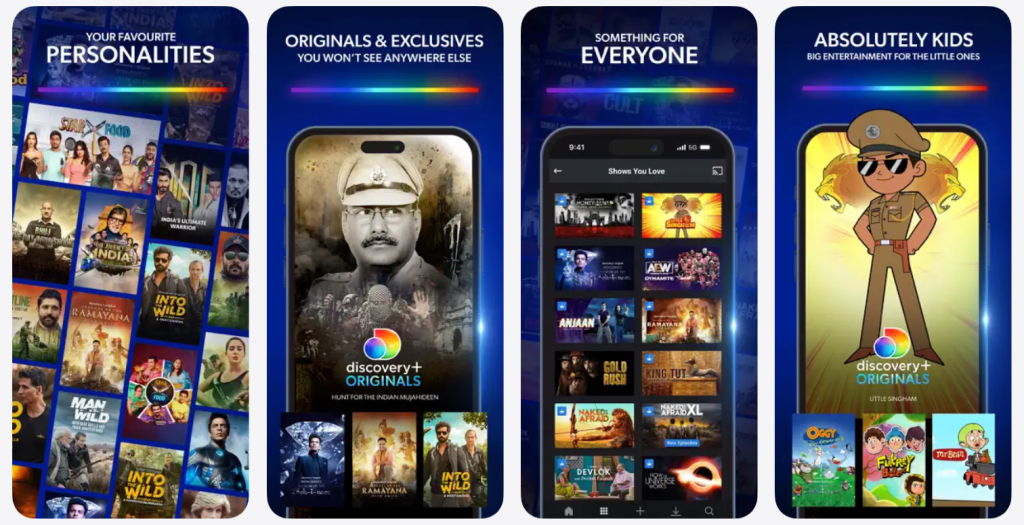
Discovery Plus is a strong pick for viewers who genuinely enjoy real-life TV and want a focused streaming home for it. It’s easy to use, easy to binge, and easy to fit into everyday habits—especially for households that rotate between cooking, home, lifestyle, and true crime depending on mood. For the right audience, Discovery Plus isn’t just “another subscription,” it’s the comfort platform that gets opened most often, and it fits naturally into a ForeverWatch lineup as the go-to hub for real-life streaming.