Docsville is a documentary-focused platform built around a simple idea: make it easier to watch documentaries that feel worth the time without sifting through thousands of unrelated titles. Instead of trying to be an everything-for-everyone service, it leans into curation, international stories, thoughtful films, and subject matter that feels serious, human, and conversation-starting.
That positioning matters because the viewing habit is different. With broad online streaming services, many people browse by mood: something funny, something trending, something light, or something for background. With a documentary-first platform, people often browse by curiosity: teach me something, show me a side of the world I don’t see, or give me a real story I’ll remember.
Docsville fits that second habit. It is not designed to replace a household’s main entertainment subscription. It is designed to upgrade documentary nights and make discovery feel guided instead of random.
The Content Library: Curation Over Quantity
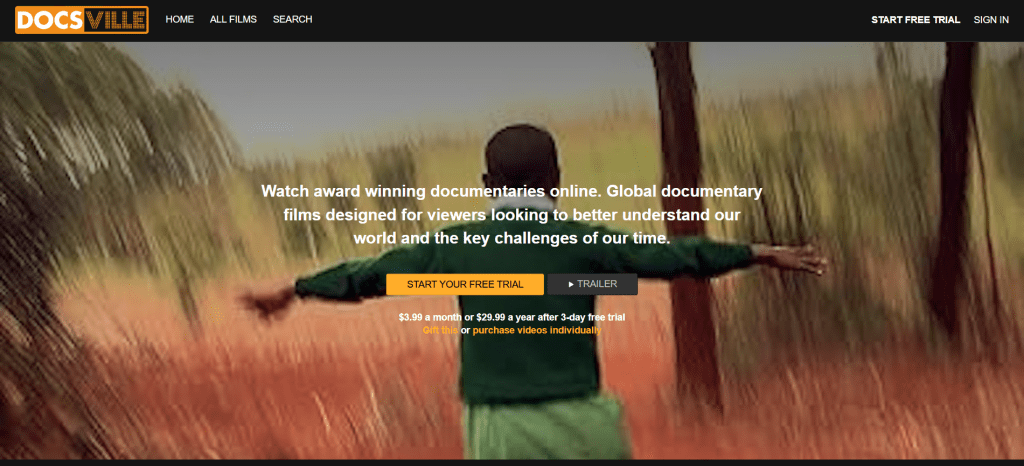
Docsville’s biggest strength is its library philosophy.
Viewers should expect:
- Documentaries first, always.
- International and festival-style storytelling.
- Standalone films that can be finished in one sitting.
- Serious subjects that reward attention.
- A calmer browsing experience than massive general platforms.
- A rotating library that can change as programming and licensing change.
This is also where expectations need to be set correctly. A documentary platform can be excellent without having every famous documentary ever made.
The real test is not whether Docsville has the biggest catalogue. The real test is whether it consistently offers films that feel worth watching.
For the right viewer, that consistency is more valuable than raw volume.
What Works Well in the Library
Docsville tends to work best when viewers want focused, meaningful viewing instead of background noise.
That includes:
- Real-world stories.
- International perspectives.
- Social issues.
- Culture.
- Politics.
- History.
- Music.
- Sport.
- Human-interest stories.
- Independent documentary filmmaking.
A viewer looking for best documentary movies may appreciate a platform like this because the service is built around documentary discovery, not around squeezing documentaries between sitcoms, superhero titles, and reality shows.
Standalone Films
One of the biggest benefits of a documentary-first service is that viewers can finish many films in one sitting.
That makes Docsville useful for:
- Weeknight viewing.
- Couples who want something to discuss.
- Students doing light research.
- Viewers who want substance without committing to a long series.
- People who prefer one complete story over multiple seasons.
This is where documentary films can feel more satisfying than endless episodic content. The viewer starts, learns something, finishes, and leaves with a clear takeaway.
International Stories
Docsville’s appeal also comes from international storytelling.
Mainstream platforms often push the same familiar titles repeatedly. A curated documentary platform can expose viewers to stories from other countries, cultures, conflicts, communities, and creative scenes.
That matters for viewers who want more than surface-level entertainment.
A film about a small community, a political struggle, an artist, a forgotten event, or a personal journey can feel more memorable than another trending title that disappears from conversation after a week.
Serious Topics and Thoughtful Viewing
Docsville makes the most sense for people who enjoy serious viewing.
That does not mean every film has to feel heavy. It means the platform is best when the viewer wants something with purpose.
The right documentary can make a viewer think about:
- Power.
- Memory.
- Justice.
- Identity.
- Environment.
- War.
- Art.
- Sport.
- Family.
- Culture.
- Technology.
- Politics.
- Survival.
This is where deeper categories like political documentaries, history documentaries, and war documentaries can fit naturally for viewers who want real-world stories with weight.
What Viewers Should Watch Out For
Docsville is not the perfect fit for every documentary viewer.
It may disappoint people who want:
- One famous title they heard about yesterday.
- Constant weekly episode drops.
- A huge mainstream library.
- Reality TV mixed with documentaries.
- A general family entertainment app.
- Big Hollywood movies and documentaries in one place.
If someone wants a specific must-find documentary, an aggregator, rental store, or search-first platform may be quicker.
If someone wants constant hype and new episodes every week, Docsville may feel calmer than expected.
That calmness is part of the identity, but it needs to match the viewer’s taste.
Discovery and Browsing
On many platforms, discovery is either algorithm-heavy or search-heavy.
The viewer either gets endless rows of recommendations or types in a title and hopes it exists.
Docsville feels closer to a guided library.
A practical way to think about it:
Mainstream platforms try to predict what will keep someone watching all night.
A curated documentary platform tries to surface films that feel meaningful, thoughtful, timely, or well chosen.
That difference matters.
Less Scroll Fatigue
Scroll fatigue is real.
A viewer may open a huge app, browse for 20 minutes, and still feel like nothing is worth starting.
A focused documentary platform can reduce that problem because the viewer is already in the right lane. They are not choosing between comedy, reality, action, horror, anime, sport, kids content, and documentaries all at once.
They are choosing from documentaries.
That narrower path can make the whole experience feel calmer.
Curated Categories
Documentaries are easier to choose when grouped thoughtfully.
Useful categories might include:
- History.
- Crime.
- Politics.
- Nature.
- Science.
- Music.
- Sport.
- Culture.
- Society.
- Biography.
- Human rights.
- Environment.
- Global stories.
A viewer in the mood for true crime documentaries does not want to dig through unrelated rows. The same goes for someone looking for science documentaries or nature wildlife documentaries. Clear categories make the platform feel useful faster.
Meaningful Discovery
Good documentary discovery is not just about finding something new.
It is about finding something that feels worth the viewer’s attention.
A strong documentary platform should help viewers land on films that feel:
- Relevant.
- Human.
- Well made.
- Easy to start.
- Worth discussing.
- Different from the usual mainstream recommendations.
That is where Docsville can feel more purposeful than a general platform with a small documentary row hidden somewhere inside the app.
Features That Matter in Real Use
Documentary viewers often value different things than series-bingers.
The most important features are practical and simple.
Watchlist and Continue Watching
Documentaries are often watched in one or two sessions.
A clean watchlist matters because viewers may save films based on mood or subject:
- One history film.
- One crime film.
- One music film.
- One political film.
- One nature film.
- One wildcard.
The best watchlist is short and intentional. A 50-title list becomes another form of scrolling.
Continue Watching also matters because a serious documentary can lose momentum if the viewer struggles to pick it back up.
Cross-Device Viewing
A documentary might start on a phone, continue on a TV, and finish on a tablet.
That flexibility matters more than people think.
Documentaries often fit into real life:
- Commutes.
- Late-night viewing.
- Weekend mornings.
- Study breaks.
- Quiet evenings.
- Solo watching.
- Couple viewing.
- Travel downtime.
A smooth cross-device experience makes the service feel modern instead of niche and limited.
Clear Collections
Clear collections can make or break the experience.
A viewer should not need to guess what kind of film they are about to start.
Good collections help viewers choose by:
- Theme.
- Region.
- Subject.
- Mood.
- Filmmaker.
- Impact.
- Award recognition.
- Runtime.
- Current relevance.
A platform like this works best when it feels like someone has already helped narrow the search.
Rent or Buy Options
Some documentary viewers do not want another monthly subscription.
They may only want one specific film.
If rent or buy options are available, they can make the platform useful even for people who do not want to keep it active every month.
That flexibility can help Docsville serve both regular documentary watchers and occasional viewers.
Where Docsville Works Best
Docsville tends to shine in homes where documentaries are a deliberate choice, not an accident.
It works especially well for viewers who prefer real stories over fiction.
Documentary Night
The clearest use case is documentary night.
That means the household intentionally picks a film, watches it properly, and talks about it afterwards.
This is not the same as background viewing.
A good documentary night might involve:
- A political story.
- A music film.
- A sports profile.
- A historical investigation.
- A nature feature.
- A cultural story.
- A social-issue film.
Someone interested in music documentaries or sports documentaries may not want a huge general platform. They may want a smaller service where those films feel easier to find.
Viewers Who Want International Perspectives
Docsville can also fit viewers who want stories from outside their usual bubble.
That might include films about:
- Other countries.
- Local communities.
- Global politics.
- Human rights.
- Migration.
- Conflict.
- Culture.
- Art.
- Identity.
- Environmental change.
For these viewers, documentaries are not just entertainment. They are a way to see the world differently.
Students and Knowledge-Driven Viewers
Students, researchers, writers, and curious viewers can get real value from a documentary-first service.
Not every film will be academic, but documentaries can introduce subjects in a way that feels more engaging than a textbook or long report.
This is especially useful for viewers who like learning through people, places, and real stories.
Couples and Families Who Like Discussion
Some households don’t want every viewing session to end with “that was fine.”
They want something to talk about.
Documentaries can create discussion because they often touch real issues, real choices, and real people.
That makes Docsville a strong fit for couples, older families, and shared households that enjoy meaningful viewing.
Rotation Subscription Fit
Docsville can work well as a rotation subscription.
A household may keep one main entertainment app, then rotate smaller niche services depending on mood.
A documentary platform is easy to rotate because documentaries are usually timeless. Viewers do not need to stay caught up on weekly seasons.
A smart rotation might look like this:
- Subscribe for a month.
- Watch four to eight films.
- Pause when the watchlist gets thin.
- Return when the library feels fresh again.
That keeps value high and prevents subscription fatigue.
Pricing and Value
Pricing can vary by region, device ecosystem, and subscription route.
So the cleanest way to judge cost is by structure, not exact numbers.
Monthly Plan
A monthly plan is best for:
- Testing the library.
- Short bursts of viewing.
- Documentary rotation months.
- Viewers who want flexibility.
- Households unsure about long-term use.
This is usually the safest starting point.
Annual Plan
An annual plan makes more sense for consistent documentary watchers.
It can work if:
- The viewer watches documentaries weekly.
- The household likes serious films.
- The library matches their taste.
- They do not want to manage another rotation.
- The cost makes sense compared with monthly use.
An annual plan should be based on real habits, not imagined ones.
Trial Periods
A trial period can be useful if available.
The best way to test Docsville is not to browse randomly. The viewer should pick a few themes first, then see if the platform delivers.
For example:
- History.
- Politics.
- Crime.
- Music.
- Sport.
- Nature.
- Culture.
If those areas feel strong, the service is more likely to be worth keeping.
Rent or Buy
Rent or buy options can help viewers who only want one title.
This is useful when:
- A film is needed for study.
- Someone heard about one specific documentary.
- The viewer does not want a subscription.
- The household only watches documentaries occasionally.
That option can make Docsville useful even outside the subscription model.
Simple Value Test
The smart question is not “Is it cheap?”
The better question is: how many documentaries will actually be watched this month?
If the answer is two or more, the value can become clear quickly because documentary time is usually intentional time.
If the answer is zero or one, the service may be better as an occasional rental or rotation option.
Streaming Quality and Device Support
A niche platform can fail if it only works on one device.
Docsville becomes more useful when it works across both mobile and living-room screens.
TV and Streaming Device Support
Documentaries often deserve the main screen.
A viewer may discover a title on mobile, but the proper watch may happen on a TV.
That is why TV apps and streaming-device support matter. A documentary-first service should not feel trapped on a laptop.
Mobile Viewing
Mobile access is useful for browsing and short sessions.
A viewer might:
- Save a film on the phone.
- Watch part of a documentary during travel.
- Browse collections before bed.
- Continue a film away from home.
Mobile support makes the platform easier to fit into everyday life.
Web Experience
A stable web experience matters for laptops and desktops.
Students, writers, and people watching while researching may prefer a bigger screen with easier note-taking.
A clean web player helps Docsville feel more useful beyond casual entertainment.
Advantages
Docsville has several clear strengths when the viewer wants documentary-first streaming.
Focused Identity
Docsville knows what it is.
That clarity improves the experience because the viewer is not fighting through unrelated content.
A focused service can feel smaller but more useful.
Better Discovery for Documentary Lovers
The browsing experience can feel calmer and more purposeful.
That matters for viewers who already know they want something real, thoughtful, or informative.
Strong Fit for Meaningful Viewing
For viewers who want substance, the platform’s direction makes sense.
Docsville is best when the viewer wants to finish a film and feel like it gave them something to think about.
Great Secondary Subscription
Docsville complements mainstream platforms instead of replacing them.
A household can use a broad app for everyday entertainment, then use Docsville when it wants a stronger documentary night.
Strong Value per Film Watched
Documentaries are usually watched with more intention than background shows.
That means one good documentary can feel more valuable than several half-watched episodes of something random.
Disadvantages
Docsville can disappoint the wrong viewer.
Not a General Entertainment Replacement
If someone wants comedy, reality, sport, kids content, blockbuster movies, and big franchises in one place, this is not that.
Docsville is documentary-first, and that is the whole point.
Not Built for Franchise Followers
People who track one studio universe, actor filmography, or mainstream release calendar may feel limited.
This platform is better for curiosity-led viewing than franchise-led viewing.
Specific Title Hunting Can Be Hit-or-Miss
If someone is looking for one documentary they heard about, it may not be available at that moment.
Licensing changes. Libraries rotate. Smaller platforms cannot carry everything forever.
Doc-Only Means Doc-Only
This is not a flaw, but it matters.
A viewer who is not in the mood for documentaries will not use the service much.
That is why Docsville works best as a deliberate choice, not an accidental subscription.
Safety and Privacy
For most households, the main safety concerns with streaming are simple.
Account Security
Use a strong password and avoid reusing it across services.
This matters especially if the account is shared in a household.
Payment Controls
If children use the TV, device-level purchase restrictions can prevent accidental rentals or purchases.
That is especially useful if the platform offers one-off rentals.
Profiles and Viewing History
Profiles help keep recommendations clean where available.
A shared profile can quickly become messy if one person watches political films, another watches music documentaries, and someone else watches crime.
Phishing Awareness
Only sign in through official apps and the official website.
Fake streaming links, copied login pages, and suspicious “free access” pages can create unnecessary risk.
Documentary services do not usually introduce unique safety risks, but any paid streaming account benefits from basic account hygiene.
Alternatives
The right alternative depends on why someone is considering Docsville.
If the Goal Is Documentaries Plus Mainstream TV
A general platform can offer documentaries alongside movies, series, comedy, and reality.
Netflix-style services may be better for households that want everything in one place.
The trade-off is discovery. Documentaries may feel buried under louder mainstream titles.
If the Goal Is Learning and Factual Series
Curiosity Stream can be a strong match for educational-first viewing.
It may suit viewers who want science, history, nature, technology, and factual programming in a more learning-focused environment.
Docsville leans more toward documentary films and curation. Curiosity Stream leans more toward factual depth and educational viewing.
If the Goal Is Library or University Access
Kanopy can be a strong option if a viewer has access through a library or university.
It often works well for documentaries, independent cinema, educational films, and curated collections.
The main advantage is access model. The main limitation is that availability depends on the viewer’s library or institution.
If the Goal Is Art-House Curation
MUBI works better for viewers who want curated cinema more broadly, not only documentaries.
That can include international films, art-house titles, classics, and occasional documentary picks.
Docsville is better when the viewer specifically wants a documentary-first experience.
If the Goal Is Other Documentary-First Platforms
GuideDoc is one of the closer comparisons because it also leans into documentary curation.
A viewer comparing Docsville and GuideDoc should look at library taste, device support, pricing structure, and whether the films feel aligned with their interests.
The better choice depends on which catalogue makes the viewer say, “I’d actually watch these.”
If the Goal Is Free, Ad-Supported Browsing
Free ad-supported platforms can work for casual documentary viewing.
Tubi, Pluto TV, Plex, and similar services may have documentary sections, but the browsing experience is different.
They can be useful for casual discovery, but the curation may feel less focused than a dedicated documentary platform.
How to Get the Best Experience Fast
A good documentary platform becomes better when it is used intentionally.
The best setup is simple:
- Pick two or three themes the household genuinely enjoys.
- Build a short watchlist.
- Keep the list under 10 titles.
- Schedule one documentary night per week.
- Rotate the subscription if the household already has multiple services.
- Use rentals if the goal is only one specific title.
This turns Docsville from another app into a real habit.
And habits are what make niche subscriptions worth keeping.
FAQs
1) Is Docsville a general streaming service like Netflix?
No. It’s documentary-focused, built around curated films rather than a broad mix of entertainment categories.
2) Does Docsville have a free trial?
In many cases, yes. Trial availability and length can vary by region and platform.
3) Can viewers watch on a TV?
Often yes, depending on device support and the viewer’s setup (smart TV apps or streaming devices).
4) Is Docsville better monthly or yearly?
Monthly fits rotation users. Yearly fits consistent documentary viewers who want better long-term value.
5) Can viewers rent or buy films instead of subscribing?
Some services offer that option for certain titles. It’s worth checking the platform’s purchase options if a viewer wants one specific film.
6) Is Docsville good for families?
It can be, especially for older kids and teens—documentaries can be educational and discussion-friendly. Parents should still monitor topics and maturity levels.
7) Does Docsville include true crime documentaries?
Many documentary platforms do, but availability depends on the current catalog and licensing. Viewers should browse categories to confirm.
8) Will the catalog change over time?
Yes. Like most streaming services, titles can rotate as rights and distribution windows shift.
9) Is Docsville useful as a second subscription?
Yes. That’s one of its strongest roles—pair it with a general platform for a balanced streaming lineup.
10) Does Docsville work well for “title hunting”?
It can, but it’s not designed as a universal index. It’s strongest as a discovery platform for documentaries.
11) What’s the main reason people cancel?
Usually because they don’t watch documentaries often enough. For occasional viewers, it works best as a rotation service.
12) What’s the main reason people keep it?
Because it consistently delivers documentaries that feel worth the time—without the endless scrolling problem.
13) Is Docsville good for international documentaries?
Yes, that’s often part of its appeal—global stories and perspectives that broaden what viewers see.
14) Can viewers watch on mobile?
Typically yes, through mobile apps or a mobile web experience, depending on platform support.
15) Who should skip Docsville?
Viewers who rarely watch documentaries, want sports, or mainly follow big franchise entertainment will usually get more value from general platforms.
Final Verdict
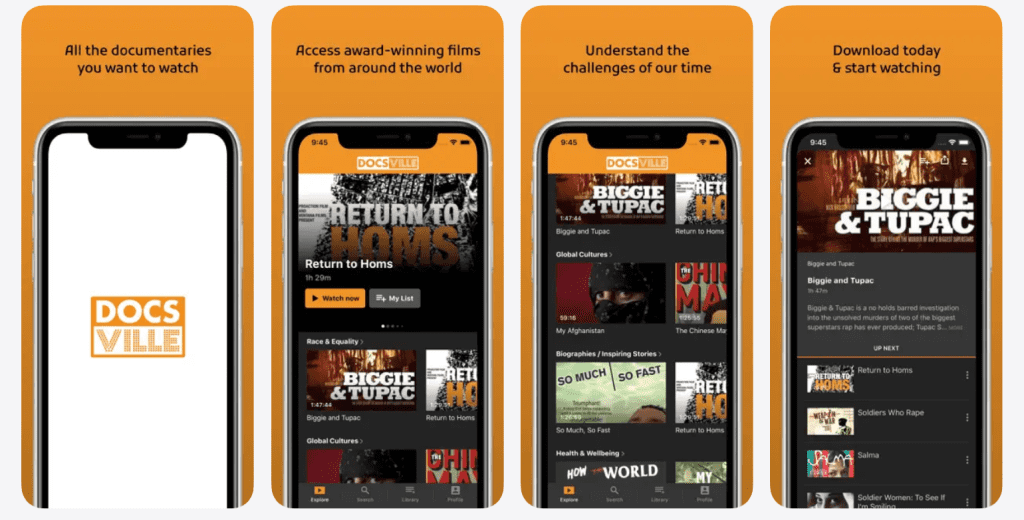
Docsville is best viewed as a curated documentary destination—ideal for viewers who want real stories, global perspectives, and a calmer way to choose what to watch. It won’t replace a household’s main entertainment subscription, and it’s not designed for sports or blockbuster browsing. But for documentary lovers who want quality over clutter, Docsville can easily become the platform that makes documentary nights feel effortless again.